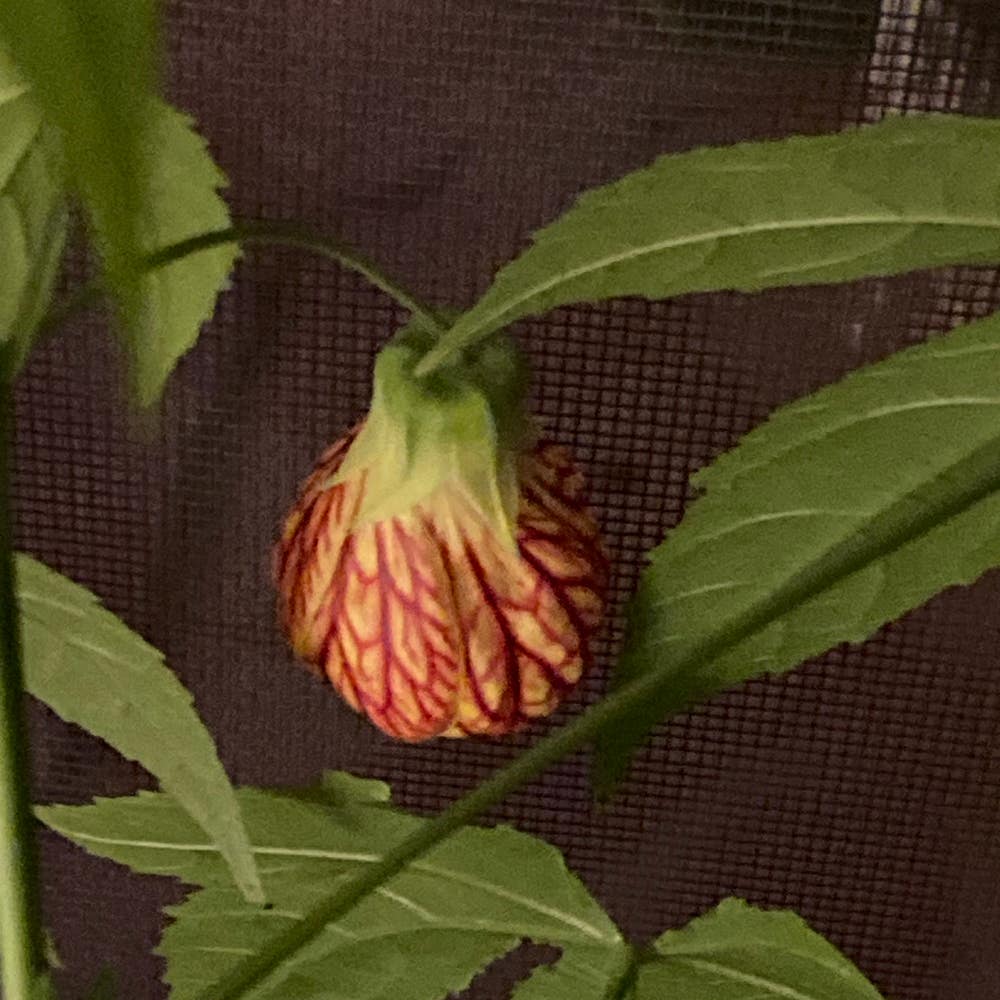
How to Fertilize Your Savitzii Flowering Maple
Abutilon 'Savitzii'
By the Greg Editorial Team
Apr 24, 2024•4 min read
This article was created with the help of AI so we can cover more plants for you. May contain errors. See one? Report it here.
- Start fertilizing in early spring to kick off the flowering season.
- Higher phosphorus ratio (10-30-20) for more vibrant Savitzii blooms.
- Recover from over-fertilization by flushing soil and pruning damaged foliage.
Timing is Everything: When to Fertilize for Fabulous Flowers
🌼 Pre-Bloom Prep
Spring signals go time for fertilization. Begin your fertilization regimen as new growth appears, usually in early spring. This sets the stage for the flowering maple's grand bloom display. A balanced, water-soluble fertilizer at half strength is your ticket to success.
🌸 In Full Swing
When flowers are about to burst onto the scene, it's time to keep pace with the plant's needs. Continue with the same fertilization schedule, supporting the Savitzii Flowering Maple through its peak blooming period. Remember, consistency is key to sustain bloom quality and duration.
🌺 Post-Bloom Care
Once the final curtain falls on the blooms, it's time to dial back. Reduce fertilization to help the plant wind down and prepare for its rest period. Over-fertilizing post-bloom can stress the plant, like an athlete overtraining after the big race. Keep an eye on the plant's response and adjust your approach accordingly.
Picking the Perfect Fertilizer for Your Flowering Maple
💐 NPK: The Flowering Trio
Phosphorus is the star when it comes to flowering. For your Savitzii Flowering Maple, an NPK ratio with higher phosphorus, such as 10-30-20, encourages those showy blooms. Nitrogen is necessary but keep it lower to avoid a leafy overgrowth at the expense of flowers. Potassium, the all-rounder, supports the plant's overall health.
🌿 Micronutrients: The Unsung Heroes
Beyond NPK, micronutrients like iron, manganese, and zinc play crucial roles. They're the supporting cast that ensures the main actors—N, P, K—perform their best. Without them, your flowering maple might not reach its full potential.
🌱 Organic vs. Synthetic: What's Best for Blooms?
Organic fertilizers are the slow-release, soil-building types, enhancing your plant's environment over time. Synthetics offer a quick nutrient hit, but can lead to over-fertilization. It's a toss-up: do you want the gradual nurturing of organics or the immediate impact of synthetics? Your choice should align with your flowering maple's needs and your gardening style.
Fertilization Techniques for Flower Power
💧 The Right Way to Root Drench
Root drenching is all about precision. Start by ensuring the soil is moist; think of it as pre-gaming before the main event. Mix your liquid fertilizer with water according to the instructions—no winging it. Pour the solution evenly around the base of the plant, avoiding the leaves like they're made of sugar in the rain. This method gets the nutrients right where they're needed, encouraging a robust root system and, in turn, a more spectacular bloom.
🌿 Foliar Feeding: A Quick Flower Fix?
Foliar feeding can be the espresso shot your Savitzii Flowering Maple needs. It's a fast-acting nutrient boost, perfect when your plant looks more 'meh' than 'marvelous'. But remember, it's a supplement, not a meal replacement. Use a foliar-friendly fertilizer, diluted more than its soil-bound cousin, and spray the leaves sparingly. Avoid dousing the flowers—unless you're into the wilted look. Keep in mind, foliar feeding is a band-aid, not a cure-all.
Rescuing Your Blooms from Over-Fertilization
🚨 Spotting Trouble
Recognizing signs of over-fertilization in flowering plants is crucial to save your Savitzii Flowering Maple. Look out for leaf burn, where the tips turn brown and crispy. If you see stunted growth or a decrease in blooms, it's a red flag. A white crust of fertilizer salts on the soil's surface is another giveaway. Yellow or brown leaves, wilting despite wet soil, and a general look of distress are all cries for help.
🛠️ The Recovery Plan
If you've overdone it with the fertilizer, it's time to switch to damage control. First, remove any visible fertilizer from the soil. Next, flood the area with water to flush out excess nutrients—think of it as a plant detox. Repeat this every few days. Pruning damaged foliage can help your plant focus on recovery. For potted plants, a soil transplant might be in order. Hold off on further fertilization for at least three to four weeks, or until your plant no longer looks like it's been through a trial by fire. When you do resume, remember that fertilizer is like a spice—a little goes a long way.
⚠️ Safety First
This content is for general information and may contain errors, omissions, or outdated details. It is not medical, veterinary advice, or an endorsement of therapeutic claims.
Always consult a qualified healthcare professional before using any plant as food, medicine, or supplement.
Never eat any plant (or feed one to pets) without confirming its identity with at least two trusted sources.
If you suspect poisoning, call Poison Control (800) 222-1222, the Pet Poison Helpline (800) 213-6680, or your local emergency service immediately.
Spotted an error? Please report it here.
Ensure your Savitzii's blooms dazzle 🌺 with Greg's precise fertilization reminders, tailored to keep your flowering maple in top shape season after season.