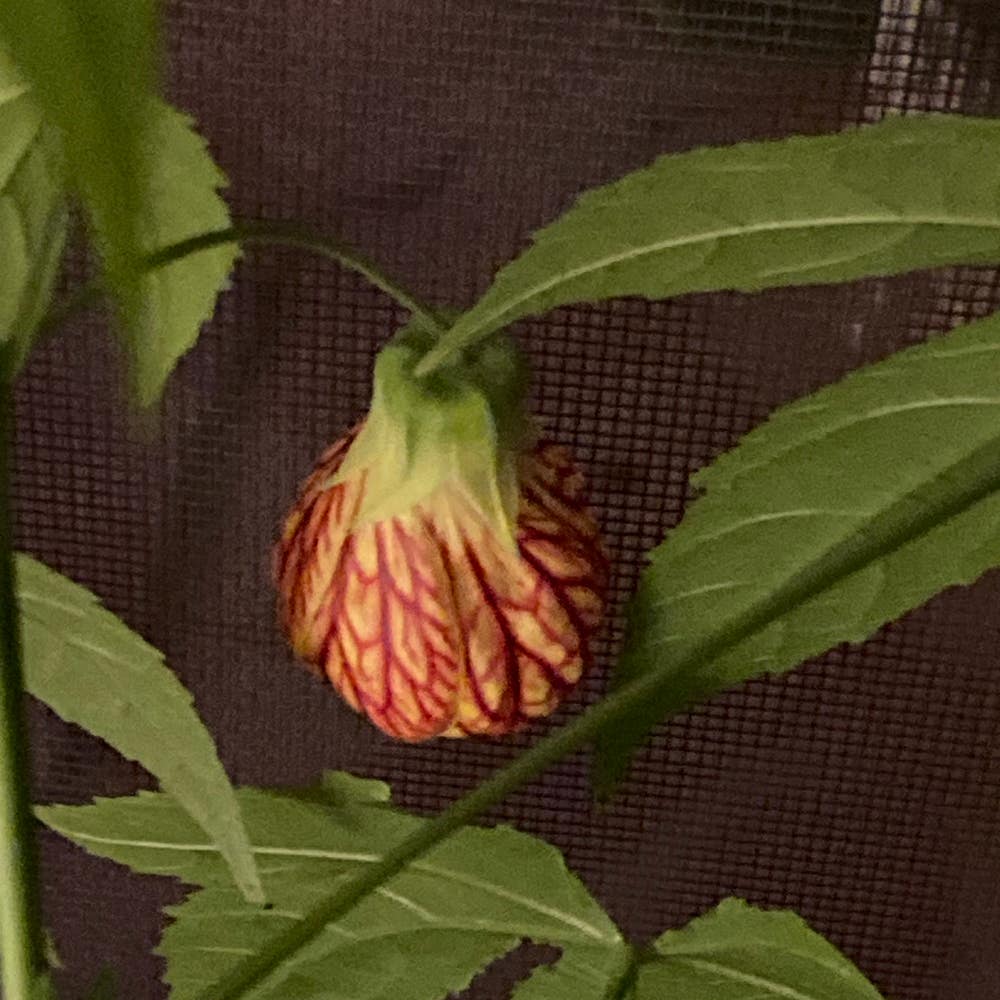
How Often Should I Water My Savitzii Flowering Maple?
Abutilon 'Savitzii'
By the Greg Editorial Team
Apr 24, 2024•4 min read
This article was created with the help of AI so we can cover more plants for you. May contain errors. See one? Report it here.
- 🌱 Check soil moisture to know when to water your Savitzii.
- 🌞❄️ Seasonal shifts matter: more water in summer, less in winter.
- 🌼💧 Adjust for growth and flowering stages for optimal watering.
When to Water: Reading Your Plant's Thirst
💧 Checking Soil Moisture
Dryness is your cue to water the Savitzii flowering maple. Perform the finger test by plunging into the soil up to your second knuckle. If it feels like the Sahara, it's time to hydrate. For those who prefer gadgets, a moisture meter can give you a digital readout of your plant's thirst level.
🌿 Observing Plant Signals
Drooping leaves? Your Savitzii is waving a white flag for water. But if your plant's leaves are perky and the soil feels like a freshly baked cake – moist but not soggy – you've hit the jackpot of hydration. Keep an eye out for dry leaf edges; they're the first to complain when the water's running low.
Environmental Factors Affecting Water Needs
🌦️ Seasonal Shifts
Adjusting for summer versus winter needs is crucial for your Savitzii flowering maple. In the summer, your plant might be as thirsty as a marathon runner, requiring more frequent watering. Winter, on the other hand, is like a slow dance, with your plant taking its sweet time to use water, meaning you can ease up on the watering can.
During flowering periods, your Savitzii becomes a bit more high-maintenance, often needing additional water to support those gorgeous blooms. Think of it as the plant putting on its best show and needing extra backstage support.
🏡 Home Environment Variables
Your home's environment is the stage on which your Savitzii's watering needs play out. Light levels are the spotlight, with bright conditions accelerating water uptake, while dimmer areas slow it down. Temperature and humidity are the unseen stagehands, influencing how quickly your plant dries out and how often it needs a drink.
The size and type of pot your Savitzii calls home also dictate how often you'll be watering. A large, porous clay pot might let moisture escape faster than a tight-lipped plastic one, so keep that in mind when you're setting up the watering schedule.
The Balancing Act: Avoiding Over and Underwatering
Signs of Too Much Love (Overwatering)
Limp leaves and a wet sponge soil feel scream overwatering. To combat this, cut back on your watering schedule and check for drainage holes in your pot. In severe cases, a soil switch to a well-draining mix is your plant's lifeline, preventing the dreaded root rot.
Fungus and mold are like unwanted party crashers for your plant's soil. If you spot these, it's time to reassess your watering habits. Increase air circulation and avoid wetting the foliage to keep these fungal fiends at bay.
The Thirsty Plant (Underwatering)
🏜️ A Savitzii gasping for water will show crispy leaves and stunted growth. If the soil's top inch is as dry as a stand-up comedian's wit, it's time to quench that thirst.
For a dehydrated plant, a thorough watering is like a spa day. Let the water run through the soil until it feels damp, not drenched. Monitor your plant's response and adjust accordingly. Remember, it's about giving your plant a drink, not a bath.
Tailoring Your Watering Routine
💧 Adapting to Your Plant's Growth Cycle
Active growth demands more water. Your Savitzii flowering maple is like a sprinter during these times, needing plenty of hydration to keep up its pace. During dormant periods, it's more of a hibernating bear, using less energy and requiring less water.
Flowering stage is a special event. Think of it as your plant's marathon; it needs extra water to go the distance. But be cautious – too much, and you risk root rot; too little, and blooms may suffer.
Fine-Tuning with Feedback
Your plant's response is your guide. If leaves perk up after watering, you're on track. If they yellow or droop, it's time to reassess.
Change your strategy when your plant whispers (or yells) for help. Adjust your watering routine, not just with the seasons, but also with your plant's growth cues. Remember, it's a conversation, not a monologue.
⚠️ Safety First
This content is for general information and may contain errors, omissions, or outdated details. It is not medical, veterinary advice, or an endorsement of therapeutic claims.
Always consult a qualified healthcare professional before using any plant as food, medicine, or supplement.
Never eat any plant (or feed one to pets) without confirming its identity with at least two trusted sources.
If you suspect poisoning, call Poison Control (800) 222-1222, the Pet Poison Helpline (800) 213-6680, or your local emergency service immediately.
Spotted an error? Please report it here.
Ensure your Savitzii Flowering Maple blooms beautifully 🌸 with Greg's custom watering plan that adjusts to your plant's needs through every season and bloom cycle.