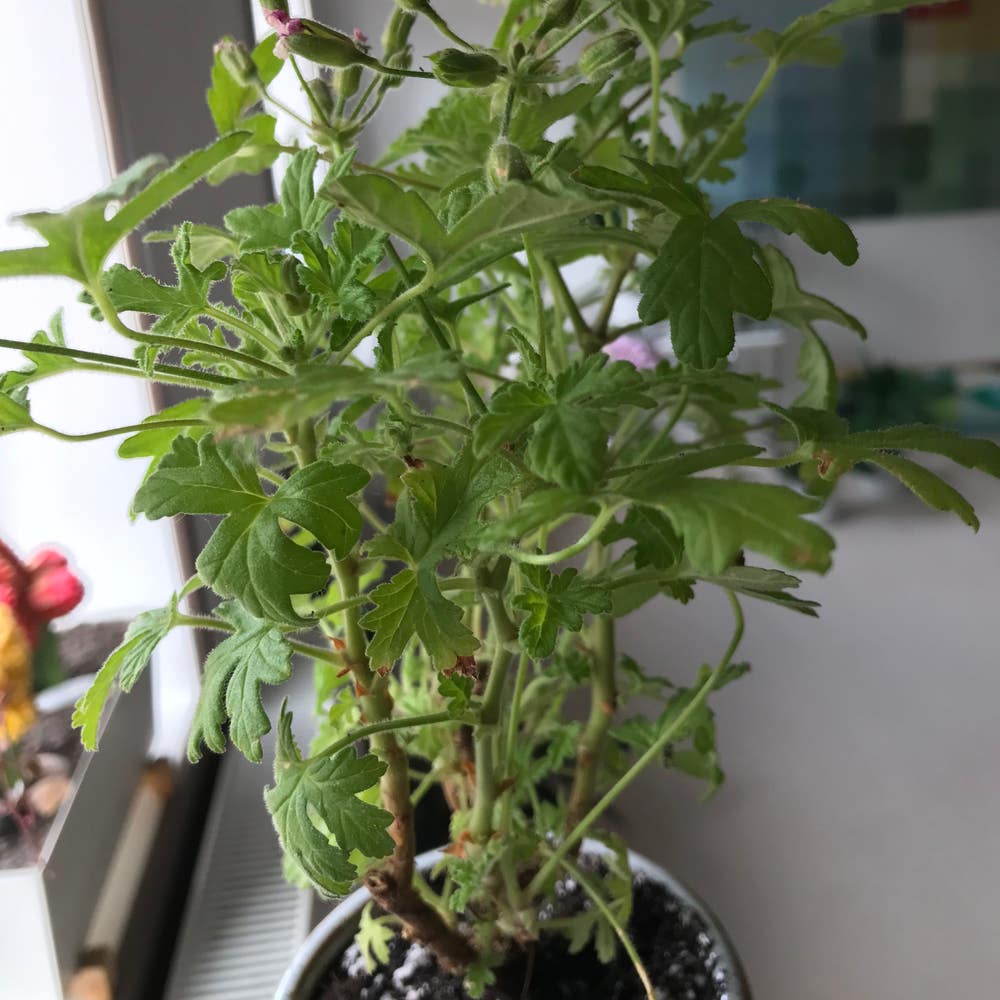
Diagnosing Rose Mallow Root Rot
Malva trimestris
By the Greg Editorial Team
Mar 01, 2024•3 min read
This article was created with the help of AI so we can cover more plants for you. May contain errors. See one? Report it here.
- Yellow leaves and wilting signal potential root rot in Rose Mallow.
- Stop watering and prune affected parts to fight root rot.
- Well-draining soil and fungicides aid recovery and prevent recurrence.
Spotting the Red Flags: Symptoms of Root Rot in Rose Mallow
🚩 Visual Distress Signals
Yellowing leaves on your Rose Mallow aren't just a sign of autumn's approach; they're a red flag for root rot. Wilting and stunted growth join the chorus of distress, telling you it's time to take a closer look.
🕵️ Checking the Roots
To confirm your suspicions, you'll need to get your hands dirty. Discoloration and a mushy texture are the smoking gun of root rot. Healthy roots should be firm and white, not brown and soft like overcooked noodles.
First Response: Immediate Actions to Combat Root Rot
🚱 Cutting Back on Water
Cease watering immediately. This is not a drill. Overwatering is the accomplice in root rot's crime against your Rose Mallow. Let the soil dry out completely; think of it as an enforced drought period for your plant's own good.
🪒 Pruning the Damage
Grab your sterilized shears and channel your inner surgeon. It's time to remove the rot. Identify the roots that have turned to the dark side—they'll be brown and mushy. Snip them off. They're not coming back. The healthy roots are the white, firm ones. They stay.
After the amputation, turn your attention to the foliage. It's a balancing act—reduce the leaves to lessen the burden on the remaining roots. If you've cut a significant amount of roots, be more generous with your pruning. If the root loss was minimal, a light trim will do.
Remember, this isn't a haircut; it's a life-saving procedure. Keep it clean, keep it precise, and your Rose Mallow will thank you with recovery.
Long-Term Recovery: Soil and Plant Health Management
🌱 Soil Overhaul
After tackling the immediate threat of root rot, soil replacement is your next move. Rip out the old, disease-ridden dirt and bring in the new. Opt for a well-draining mix; think loose, airy, and nothing that holds onto water like a grudge.
🛡️ Fungicidal Defense
Fungicides are your plant's knights in shining armor, but only when used wisely. Don't go wild; follow the label like it's the law. Apply as a preventative measure, or when you're sure you're dealing with a fungal foe. Remember, it's a treatment, not a lifestyle.
Regular soil testing keeps you one step ahead of any lurking pathogens. It's like a regular health check-up for your plant's underground scene. And just like you wouldn't skip a physical, don't skip this.
Keep your garden tools as clean as your kitchen utensils. Sterilize them after each use to avoid spreading any plant plagues. It's basic hygiene, really.
Lastly, consider soil solarization if you're dealing with a persistent problem. It's like hitting the reset button on your soil's health by using the sun's power to nuke pathogens. But it's a seasonal gig, so timing is everything.
Remember, the goal is to create a sanctuary for your Rose Mallow, not a petri dish.
Keeping Root Rot at Bay: Prevention Strategies
💧 Watering Wisdom
Consistency is key when watering Rose Mallow. To prevent over or under-watering, check the soil's top inch; if it's dry, it's time to water. This plant prefers moist soil but despises waterlogged feet.
🌱 Soil and Drainage Mastery
For optimal drainage, mix in perlite or composted wood chips with the soil. This keeps the roots aerated, much like a good pillow keeps your head comfortable at night. If you're using pots, ensure they have ample drainage holes. In gardens, raised beds or mounds can help water run off, not pool around the roots.
Remember, roots need as much air as they need water. Don't let them suffocate in soggy soil.
⚠️ Safety First
This content is for general information and may contain errors, omissions, or outdated details. It is not medical, veterinary advice, or an endorsement of therapeutic claims.
Always consult a qualified healthcare professional before using any plant as food, medicine, or supplement.
Never eat any plant (or feed one to pets) without confirming its identity with at least two trusted sources.
If you suspect poisoning, call Poison Control (800) 222-1222, the Pet Poison Helpline (800) 213-6680, or your local emergency service immediately.
Spotted an error? Please report it here.
Prevent root rot 🚫 in your rose mallow with Greg's tailored watering schedules and soil health tips, ensuring your garden stays in full bloom.