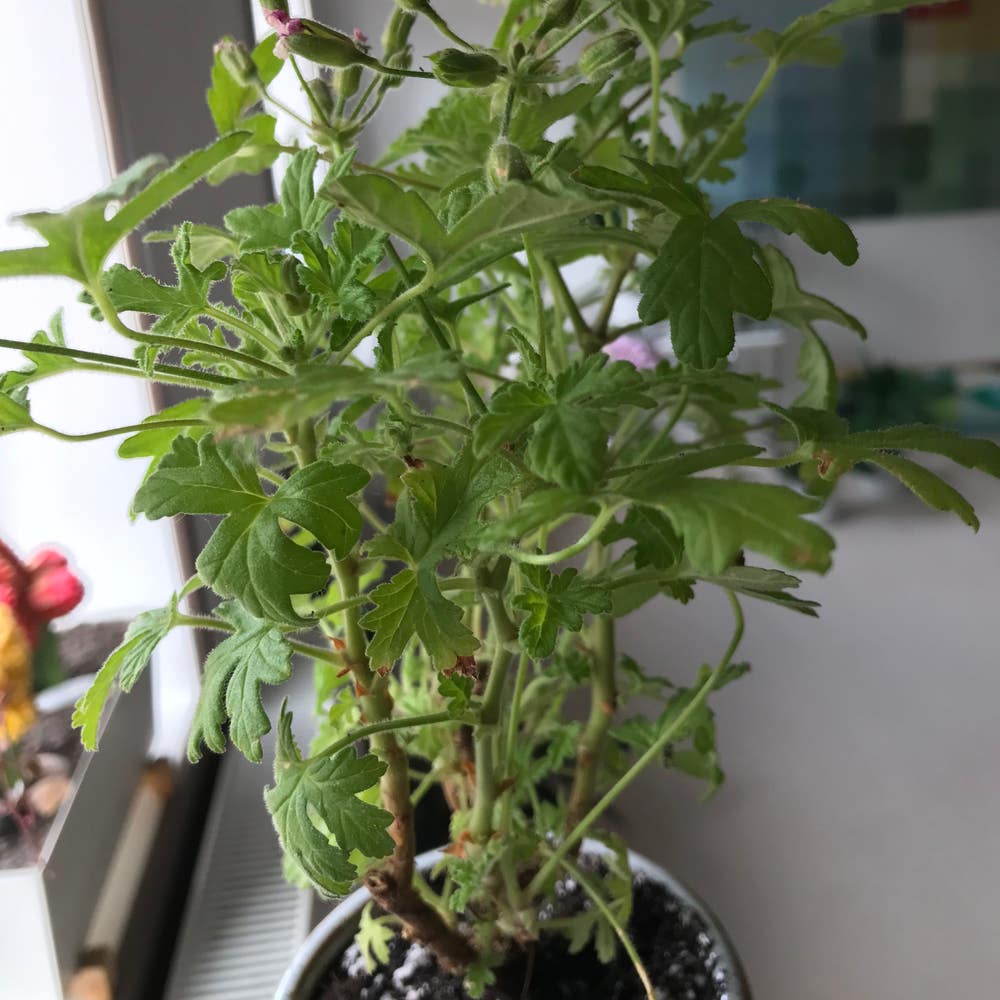
💧 How Often Should I Water My Rose Mallow?
Malva trimestris
By the Greg Editorial Team
Mar 01, 2024•4 min read
This article was created with the help of AI so we can cover more plants for you. May contain errors. See one? Report it here.
- 🌱 Wilting leaves? Time to water your rose mallow.
- 💧 Adjust water with seasons: more in summer, less in winter.
- 🌷 Potted vs. in-ground: Different watering needs, check soil moisture.
Spotting Thirsty vs. Drowned Rose Mallows
💧 Telltale Signs of Thirst
Wilting leaves aren't just going through a phase; they're a distress signal. When your rose mallow's leaves droop more than a teenager's shoulders on chore day, it's time to water. Check the soil—if it's as dry as a stand-up comedian's wit, grab the watering can.
💦 Overwatering Overload
Yellow leaves are the plant's way of waving a yellow flag. If they're softer than your favorite plush pillow, you've probably overdone it. Soggy soil should be a no-go; it's a sign you've turned watering into a waterlogged misadventure. And if the roots smell worse than your forgotten laundry, root rot has likely set in.
Watering Wisdom: Techniques and Tips
💧 Getting Your Hands Dirty
Ditch the guesswork when it comes to watering your rose mallow. A moisture meter can be your best friend, revealing precisely when to water. If you're more of a hands-on person, the finger test is your go-to move. Ensure the top inch of soil is dry before you reach for the watering can.
💦 The Art of Watering
Finding the balance between deep watering and light sips is crucial for encouraging robust root growth. Your rose mallow isn't into shallow relationships; it craves that deep, meaningful connection with water. Aim your watering efforts at the base of the plant to keep the leaves dry and prevent fungal parties. Remember, it's about quality, not quantity—water deeply, but let the soil dry out a bit before the next date with your watering can.
Seasonal Shifts in Watering Schedules
🌱 Growing Season Galore
Adjusting your watering rhythm to match the sun's tenure in the sky is crucial. As the days lengthen and temperatures rise, your rose mallow's thirst will spike. It's not just about frequency; it's about timing and quantity. Summer demands a more generous pour, reflecting the plant's natural growth spurt.
❄️ Winter Woes
Come winter, your rose mallow isn't thirsty for attention—it's dormant. This is the time to ease up on the hydration. Overwatering is the fast track to a root rot disaster. Think of it as putting your watering can into hibernation too, waking it only for occasional sips to keep the soil from turning into a desert.
Adapting Watering Routines for Rose Mallow Homes
💧 Potted Plant Peculiarities
Rose mallow's thirst doesn't play by the same rules in pots as it does in the wild—or even your garden bed. Container confines mean a faster soil dry-out, thanks to less earth to hold onto moisture. Drainage holes are a must to prevent a dreaded soggy bottom and the ensuing root rot.
Weight checks on your pot can be a dead giveaway. A pot that feels like you're lifting weights likely has too much water. On the flip side, a pot light as a feather is screaming for a drink. Seasonal changes? They're not just for your wardrobe. Your plant's thirst fluctuates with the mercury, so water more when it's hot and dial it back when it's cool.
🌱 Garden Bed Gulps
In-ground rose mallow plants have the luxury of spreading their roots in search of H2O hideouts. This doesn't mean you can neglect your watering duties, though. Consistent moisture is key, especially during those dry spells that can hit out of the blue.
Topsoil tales tell all—if it's dry, it's time to water. But don't just sprinkle the surface; make sure you're giving a deep soak that encourages those roots to grow down, not just out. And remember, just because they can handle a bit of wet doesn't mean they want to live in a swamp. Balance is the name of the game.
⚠️ Safety First
This content is for general information and may contain errors, omissions, or outdated details. It is not medical, veterinary advice, or an endorsement of therapeutic claims.
Always consult a qualified healthcare professional before using any plant as food, medicine, or supplement.
Never eat any plant (or feed one to pets) without confirming its identity with at least two trusted sources.
If you suspect poisoning, call Poison Control (800) 222-1222, the Pet Poison Helpline (800) 213-6680, or your local emergency service immediately.
Spotted an error? Please report it here.
Keep your rose mallow flourishing 🌺 with Greg's personalized watering reminders, ensuring you never over or under-water, no matter the season.