🌞 Is Direct Sunlight Good for My Rose Mallow?
Malva trimestris
By the Greg Editorial Team
Mar 01, 2024•4 min read
This article was created with the help of AI so we can cover more plants for you. May contain errors. See one? Report it here.
- 🌞 Rose Mallow loves full sun, but watch for sunburn signs like crispy leaves.
- East for morning, South for all-day sun; adjust with seasons for happy blooms.
- Use sheer curtains to protect from intense light; rotate for even growth.
When Rose Mallow Meets Direct Sunlight
🌞 Rose Mallow's Sunlight Preferences
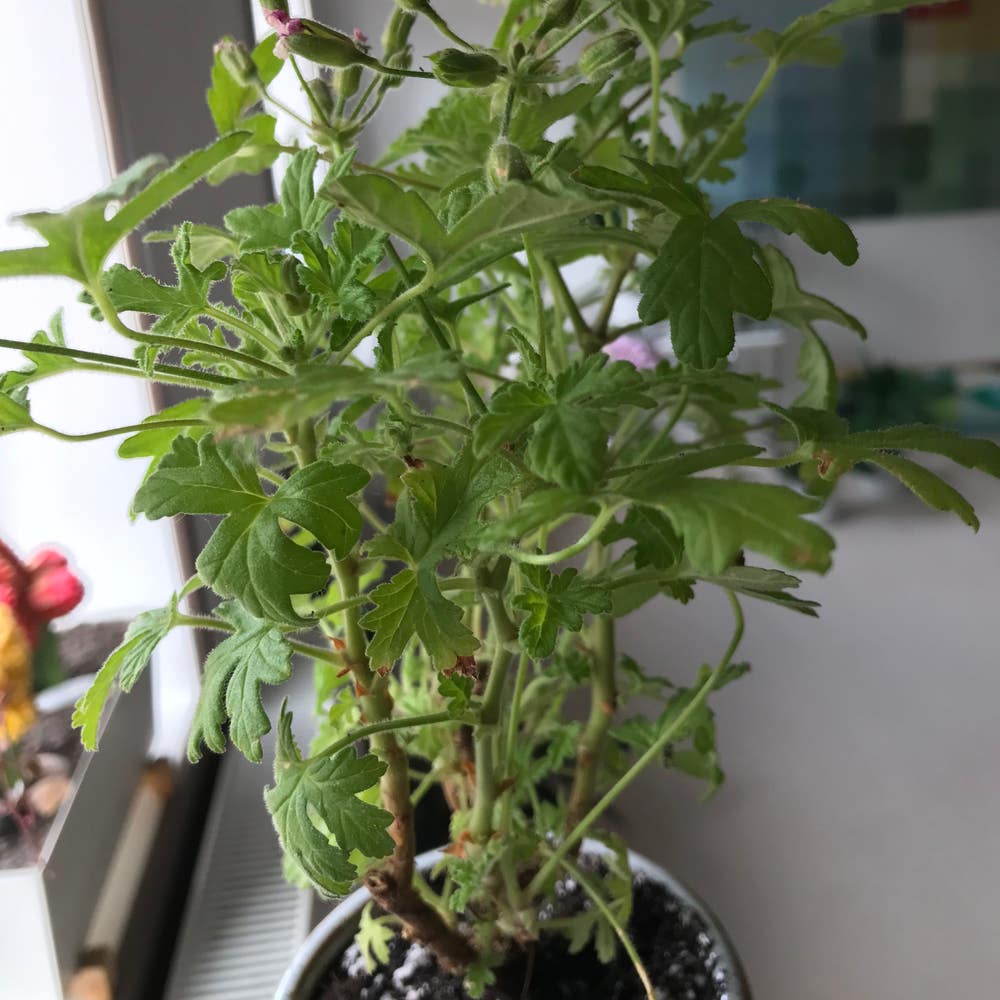
Rose Mallow plants are sun worshippers. Originating from sunny, open spaces, they thrive in generous light. To mimic their natural habitat, place them where they'll get a full day's worth of sunshine. Less than one foot from a sunny window is ideal, ensuring they soak up enough rays to flourish.
🚨 Recognizing Sunlight Stress Signals
A sun-kissed Rose Mallow is a sight to behold, but too much of a good thing can lead to trouble. Sunburn manifests as crispy, brown edges on leaves, a clear sign your plant is shouting for shade. Watch for leaves that curl inward, a plant's natural sun visor, and a bleached or faded color, which means it's time to dial back on the direct light. If blooming is lackluster or growth seems stunted, consider it a red flag—your Rose Mallow might be feeling the heat.
The Window Compass: Navigating Sunlight for Rose Mallow
🌅 The Direction Dilemma
East-facing windows serve up a gentle morning light, perfect for easing your Rose Mallow into the day. West-facing windows, meanwhile, pack an intense afternoon punch that can be a bit much for this sun-loving yet sensitive plant. North-facing windows provide a consistent, soft light all day, which might be too little for the Rose Mallow's liking. South-facing windows? They're the golden ticket in the Northern Hemisphere, offering the brightest, most direct light—a Rose Mallow's dream, as long as it's not too harsh.
🌍 Hemisphere Highlights
Your spot on the globe tweaks the sunlight recipe for your Rose Mallow. In the Southern Hemisphere, the roles reverse: north-facing windows are where the party's at. They offer the most direct sunlight, which this plant craves. But remember, it's not just about the hemisphere; it's about the sun's angle throughout the year. Keep an eye on the light's intensity and be ready to shift your Rose Mallow to avoid the risk of sunburn or underexposure.
Seasonal Sun Shifts: Keeping Rose Mallow Happy All Year
🌞 Summer vs. Winter Sun Strategies
Rose Mallow thrives under the generous sun of summer, but as the earth tilts, your plant's needs shift. Winter's weak rays demand a new game plan.
Adjusting Care with the Changing Angle of the Sun
In summer, position Rose Mallow to bask in the glory of full sunlight, ensuring it doesn't bake during peak heat. Come winter, it's a delicate dance to catch the scarce light without playing hide and seek daily.
Blooming in the Right Light
For Rose Mallow to flaunt its vibrant blooms, the right amount of sun is non-negotiable.
Ensuring Vibrant Blooms with the Perfect Amount of Sun
During summer, maximize exposure to encourage a flourishing display. As days shorten, consider a strategic relocation to a sunnier spot to coax out those shy winter blooms.
Sunlight Savvy: Tips and Tricks for Optimal Exposure
🌞 Creating a Sun Haven for Rose Mallow
Rose Mallow craves bright light, but not all sun is created equal. Position it within a foot of a south-facing window to bask in the glow without getting a sunburn. Sheer curtains are your best friend here, diffusing the light to protect those delicate leaves.
🌅 When to Shade and When to Shine
Morning sun is Rose Mallow's happy place, but the intense afternoon rays? Not so much. Use shades or blinds to dial down the light during peak hours. Remember, the sun's angle shifts with the seasons, so stay on your toes and adjust your plant's location as needed. Rotate your Rose Mallow regularly to ensure even growth and avoid the one-sided tan effect.
Watering goes hand-in-hand with sunlight; more light means thirstier plants. But don't drown it—overwatering is a surefire way to a soggy grave. Keep an eye out for signs of distress, and don't hesitate to shuffle your plant around to find its happy place.
⚠️ Safety First
This content is for general information and may contain errors, omissions, or outdated details. It is not medical, veterinary advice, or an endorsement of therapeutic claims.
Always consult a qualified healthcare professional before using any plant as food, medicine, or supplement.
Never eat any plant (or feed one to pets) without confirming its identity with at least two trusted sources.
If you suspect poisoning, call Poison Control (800) 222-1222, the Pet Poison Helpline (800) 213-6680, or your local emergency service immediately.
Spotted an error? Please report it here.
Position your Rose Mallow for optimal sunshine ☀️ and let Greg remind you when to water for a garden that's always in bloom.