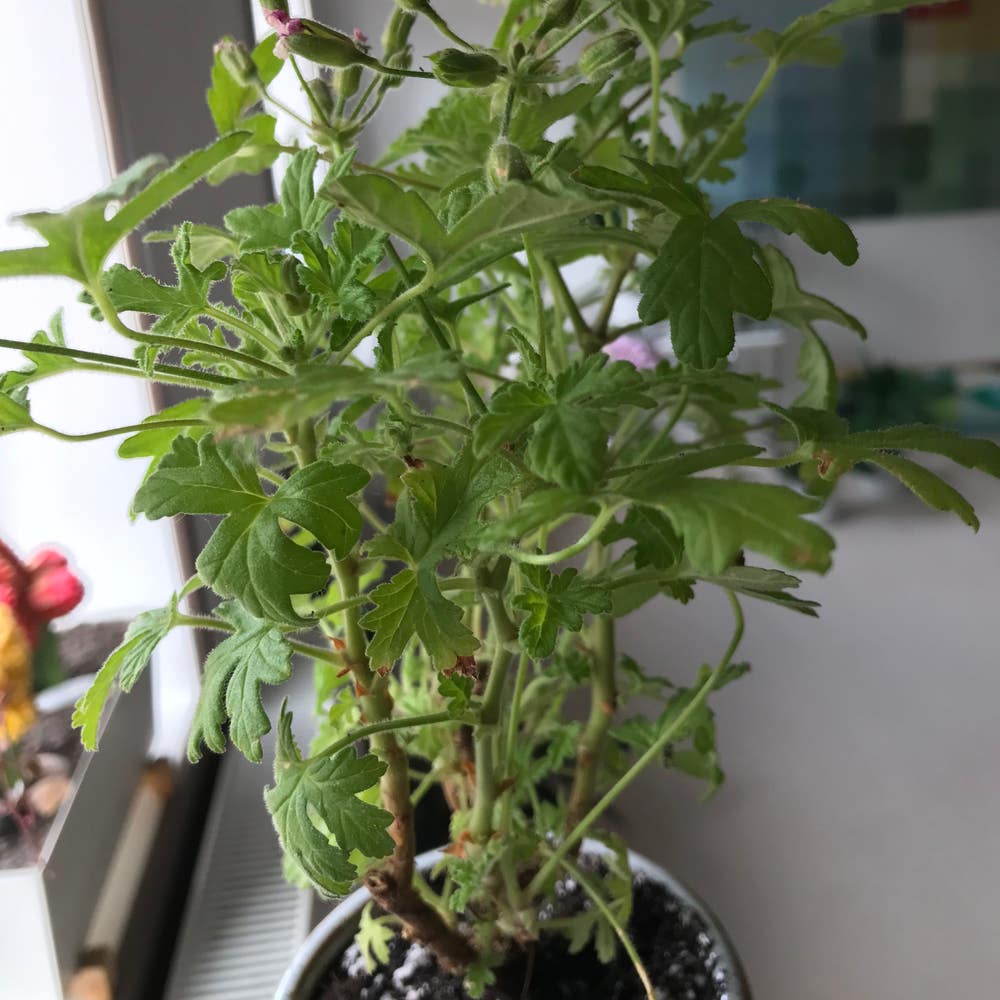
Propagating Your Rose Mallow: Step-by-Step Guide
Malva trimestris
By the Greg Editorial Team
Mar 01, 2024•4 min read
This article was created with the help of AI so we can cover more plants for you. May contain errors. See one? Report it here.
- 🌱 Stem cuttings and division both effective for propagating Rose Mallow.
- 🌞 Spring ideal for propagation, ensuring plants are ready to grow.
- 🛠️ Proper tools and care crucial for successful propagation and troubleshooting.
Choosing Your Propagation Method
🌱 Stem Cuttings: Pros and Cons
Pros of Stem Cuttings
Stem cuttings offer a fast track to increase your Rose Mallow collection. They are essentially genetic photocopies of the parent plant, ensuring the preservation of specific traits. The process is straightforward: snip, dip in rooting hormone, and plant. It's like pressing an easy button for plant multiplication.
Cons of Stem Cuttings
However, stem cuttings can be a gamble. Not all will take root, and the success rate can be as low as one in three. They require a steady hand and knowledge of where to cut. Plus, there's the legal side—ensure your plant isn't patented, or you'll be in hot water.
🌿 Division: Pros and Cons
Pros of Division
Division is the unsung hero for those with overcrowded Rose Mallows. It's instant gratification—split the plant, and voilà, you've got more. It's less about cloning and more about giving your plants some breathing room.
Cons of Division
On the flip side, division is more invasive. It requires a mature plant and a bit of muscle to separate the roots. It's not just about hacking away; you need to be mindful of the plant's health and root structure. Plus, it's a bit of a dirty job—expect to get your hands in the soil.
Getting Your Hands Dirty: Stem Cuttings
⏰ The Right Time to Snip
Spring is the sweet spot for snipping stem cuttings. It's when your Rose Mallow is waking up and raring to grow. Avoid the lazy days of summer heat and the full bloom period—your plant's too busy showing off then.
🛠 Tools of the Trade
Sterilize your shears or knife—think surgeon before an operation. You'll need a sharp tool for a clean cut, rooting hormone to encourage growth, and a well-draining soil mix. Don't forget a pot with drainage holes.
📝 Step-by-Step: Planting Your Cuttings
- Choose a healthy stem, 4-6 inches long, with a few leaves at the top.
- Make a clean cut just below a leaf node, at an angle.
- Strip the lower leaves to prevent rot.
- Dip the cut end in rooting hormone.
- Plant in moist soil, ensuring the node is buried.
🌱 Post-Planting Care
Keep the soil consistently moist but not waterlogged. Place your pot in a spot with indirect light and wait for the magic to happen. Patience is key—roots take time to develop.
🚫 Troubleshooting Stem Cuttings
If your cuttings are wilting or rotting, check for overwatering. No roots yet? Make sure you're not under a dark cloud of impatience. It can take several weeks for roots to appear. Keep the faith, and keep the soil moist.
Digging In: Division
⏰ Timing Your Division
Spring is prime time for division, as the plant awakens with vigor. However, if you miss the window, early fall is your backup slot. Just ensure you're at least four weeks before the first frost to allow roots to settle.
🛠 Tools and Materials for Division
Arm yourself with a sharp spade or knife, gloves, and a tarp. Sterilize your tools; we're not spreading diseases, just love for Rose Mallow.
📝 Step-by-Step: Dividing Your Plant
- Water your plant a day before to ease the division.
- Gently dig around the plant to lift the root ball onto a tarp.
- Shake or rinse off soil to reveal the rhizome structure.
- Identify natural separation points and slice through with a sterilized knife.
- Ensure each division has a fair share of roots and shoots.
- Replant divisions promptly, granting them the personal space they deserve.
🌱 Post-Division Care
Treat your new divisions like royalty with consistent watering and mulching. Keep an eye out for stress signs and act with nurturing precision.
🚧 Troubleshooting Division
If your divisions look more like a cry for help than a fresh start, reassess your watering game. Yellow leaves? Too much love. Limp growth? Not enough. Adjust accordingly and watch your Rose Mallow flourish.
⚠️ Safety First
This content is for general information and may contain errors, omissions, or outdated details. It is not medical, veterinary advice, or an endorsement of therapeutic claims.
Always consult a qualified healthcare professional before using any plant as food, medicine, or supplement.
Never eat any plant (or feed one to pets) without confirming its identity with at least two trusted sources.
If you suspect poisoning, call Poison Control (800) 222-1222, the Pet Poison Helpline (800) 213-6680, or your local emergency service immediately.
Spotted an error? Please report it here.
Step into spring with a flourish by propagating your Rose Mallow, and let Greg nurture 🌿 your green thumb success with custom care reminders for each new cutting.