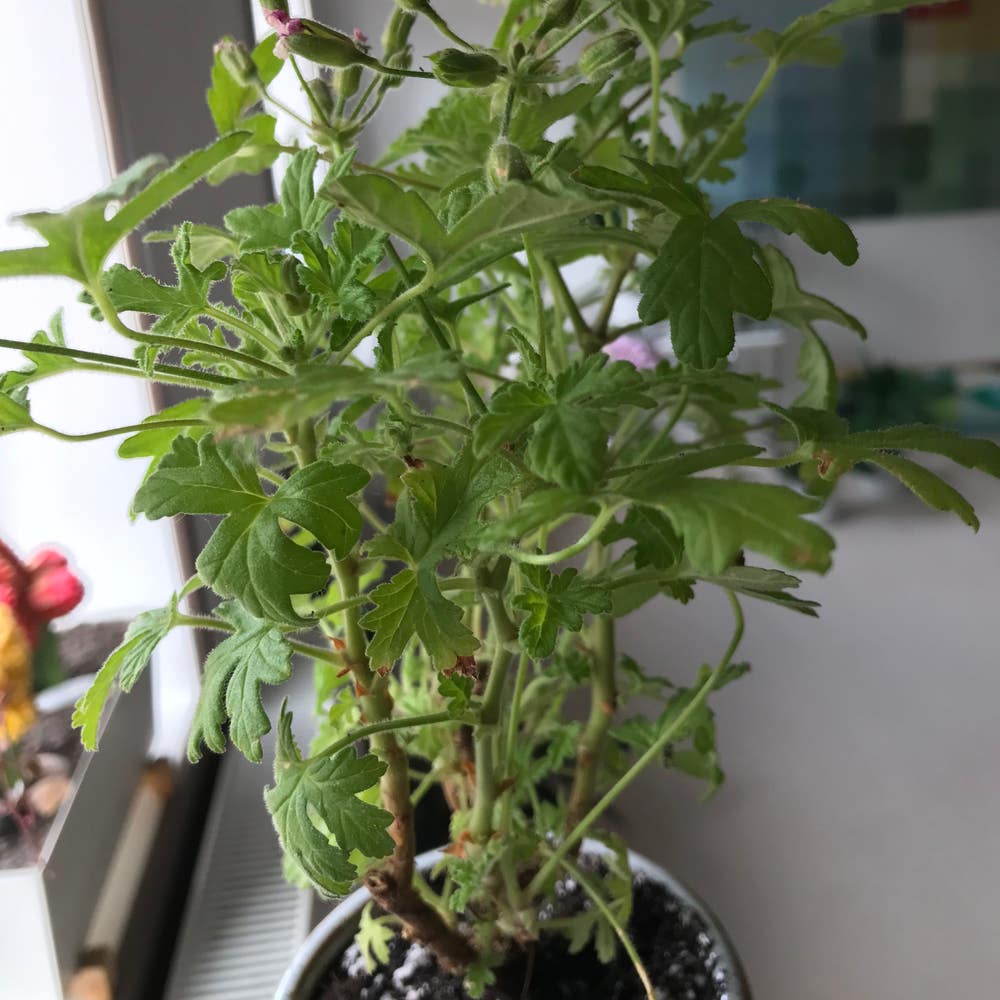
Why Is My Rose Mallow Not Doing Well?
Malva trimestris
By the Greg Editorial Team
Mar 01, 2024•4 min read
This article was created with the help of AI so we can cover more plants for you. May contain errors. See one? Report it here.
- Water wisely: Overwatering and underwatering both harm Rose Mallow.
- 🌡️ Maintain mild temps: Thrives at 65-75°F with bright, indirect light.
- 🐞 Inspect for pests: Aphids, spider mites, and beetles are common culprits.
When Water Woes Wilt Your Rose Mallow
Signs of Thirst or Drowning
Yellow leaves dropping faster than hot potatoes? Your Rose Mallow might be overwatered. A wilted appearance and mushy stems are the plant's way of saying, "Help, I'm drowning!" On the flip side, if your plant's leaves are as crispy as autumn leaves and the soil is pulling away from the pot, you've entered the underwatering danger zone.
Tailoring the Watering Schedule
Finding the watering sweet spot is like a dance—it's all about rhythm. Check the soil's top inch; dry? Time to water. Heavy pot? Too much water. Light as a feather? Your plant's thirsty. Adjust your moves with the seasons—more water when it's hot, less when it's cool. And always water in daylight to let moisture evaporate, not stagnate.
🚰 Drainage Drama
Drainage is the unsung hero in the plant care saga. Ensure your Rose Mallow's pot isn't a water trap. If the soil's more waterlogged than a swamp, switch it out for a well-draining mix. Remember, a plant sitting in water is like a ticking time bomb for root rot. Keep it loose, keep it draining, and you'll keep it thriving.
Light and Temperature Tango
🌿 Reading the Leaves
Identifying signs of light and temperature stress in Rose Mallow is like decoding a silent language. Leaves that are too dark green may be crying out for more sunlight, while those with crispy edges or a bleached appearance could be suffering from too much direct exposure. Temperature stress, on the other hand, manifests through discoloration, wilting, or stunted growth. These symptoms are your plant's way of saying, "I'm not comfortable!"
🌞 Setting the Stage
Creating the ideal light and temperature environment for Rose Mallow involves being a bit of a control freak. Bright, indirect light is the sweet spot; direct sun can be a no-no unless it's the gentle morning variety. As for temperature, think of your plant as a Goldilocks guest—65-75°F (18-24°C) is just right. Keep drafts and sudden temperature swings at bay to avoid sending your Rose Mallow into shock. Remember, consistency is key, and your vigilance will be rewarded with vibrant growth.
Bug Battles: Pests Plaguing Rose Mallow
🐛 Spotting the Invaders
Rose Mallow's lush foliage is a buffet for pests like aphids, spider mites, and the voracious Japanese beetles. Sawfly larvae have a particular taste for these plants, skeletonizing leaves in a flash. Vigilance is key; regularly inspect your Rose Mallow for these critters.
🌿 Organic Onslaught
When pests crash the party, it’s time for an organic counterattack. Predatory mites are the unsung heroes, naturally keeping the bad bugs in check. For a DIY fix, a blast of water or soapy solution can send pests packing. Remember, healthy plants are less appealing to pests, so keep your Rose Mallow thriving to avoid unwanted guests.
Fungal Foes and Root Rot Ruckus
🍄 Mold and Fungus Among Us
Rose Mallow's leaves can whisper warnings of fungal distress. Look for discoloration, spots, or a powdery residue. Good air circulation is crucial; it's like giving your plant personal space to breathe. Remove affected leaves to halt the spread of leaf fungus.
🌱 Root Rot: The Silent Killer
Root rot lurks unseen, a mushy menace to Rose Mallow's roots. Soft, brown roots and a plant that's wilting despite proper care are red flags. Fungi like Phytophthora, Rhizoctonia, and Fusarium are often to blame. If you're unsure, a lab test can reveal the culprit.
🛡️ Prevention and Cure
Prevent root rot by ensuring well-draining soil and a strict watering regimen. If the damage is done, remove the affected roots and repot in fresh soil. Fungicides can be a lifeline—cinnamon powder is a natural option. Remember, prevention is key: keep your tools clean and your plants happy to avoid fungal gatecrashers.
Scorching Summers and Chilly Winters
🌡️ Symptoms of Seasonal Stress
In the throes of extreme weather, Rose Mallow reveals its discomfort. Leaf scorch manifests as crispy, brown edges during searing summers. Conversely, cold damage can turn leaves into a brittle, brown mess, akin to frostbitten foliage. Stunted growth and diminished flowering signal the plant's plea for relief.
🌦️ Climate Control
Shade cloth can be a summer savior, filtering the sun's harsh rays. Ensure your Rose Mallow has a watering regimen that matches the season's demands—more during heatwaves, less when it's cooler. In winter, wrap the plant's base with burlap or move potted specimens to a sheltered spot to shield from biting cold. Remember, sudden temperature drops are like a slap in the face; a gradual transition helps the plant acclimate without the shock.
⚠️ Safety First
This content is for general information and may contain errors, omissions, or outdated details. It is not medical, veterinary advice, or an endorsement of therapeutic claims.
Always consult a qualified healthcare professional before using any plant as food, medicine, or supplement.
Never eat any plant (or feed one to pets) without confirming its identity with at least two trusted sources.
If you suspect poisoning, call Poison Control (800) 222-1222, the Pet Poison Helpline (800) 213-6680, or your local emergency service immediately.
Spotted an error? Please report it here.
Nurture your Rose Mallow to peak health by dodging overwatering and pests, with Greg's tailored reminders 🌺 ensuring your green thumb success.