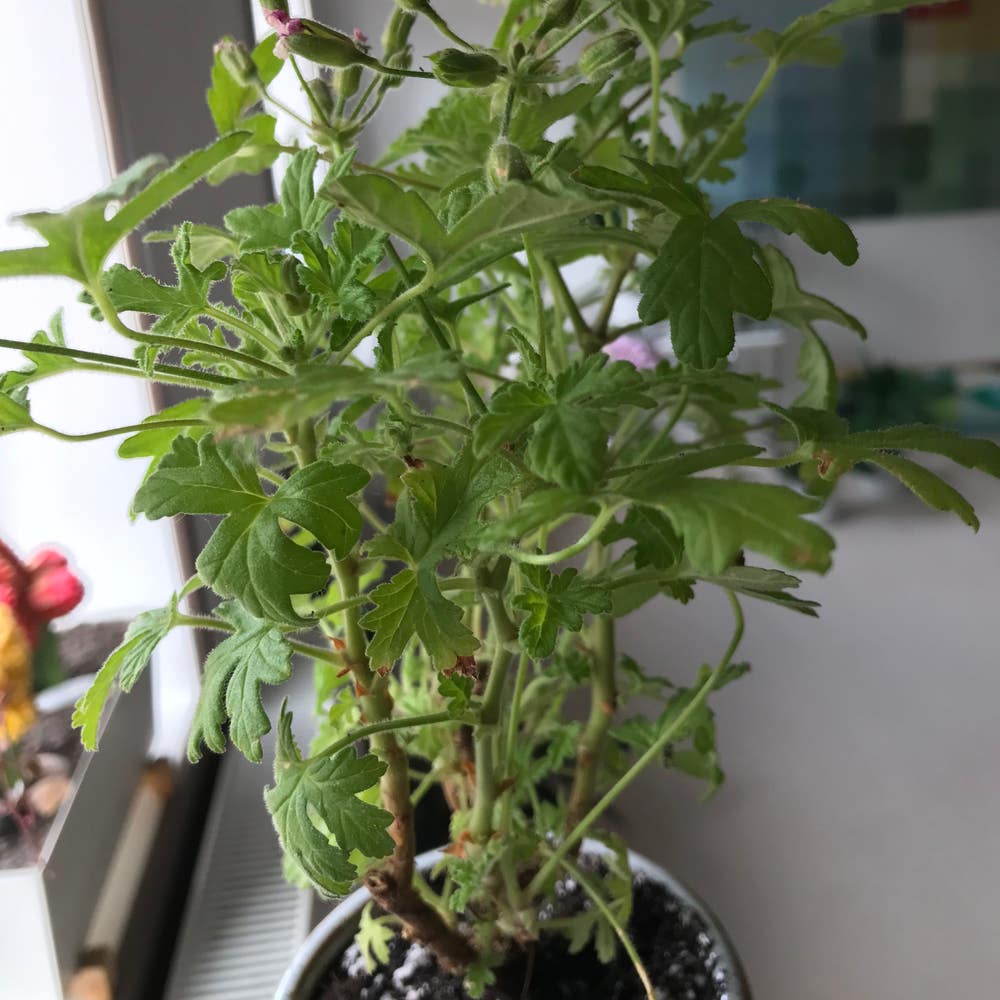
💧 How Much Humidity Does My Rose Mallow Need?
Malva trimestris
By the Greg Editorial Team
Mar 01, 2024•3 min read
This article was created with the help of AI so we can cover more plants for you. May contain errors. See one? Report it here.
- 60-80% humidity ideal for Rose Mallow's health.
- 🌿 Hygrometers help monitor; crispy or limp leaves signal adjustments needed.
- Cluster plants, use pebble trays or mist to maintain moisture; ventilate if too muggy.
Rose Mallow's Humidity Sweet Spot
Identifying the ideal humidity for your Rose Mallow is like tuning an instrument for the perfect pitch. Too dry, and the leaves will crisp up, signaling a desperate need for moisture. Too moist, and you'll see yellowing leaves, wilted flowers, and the dreaded black spot fungus, a clear cry for drier air.
🌡️ What's Too Much and What's Too Little
Under-humidified air will leave your Rose Mallow's leaves looking more like potato chips than lush foliage. On the flip side, over-humidification invites fungal parties and leaf drop-offs. It's a delicate balance that requires vigilance and a keen eye for plant distress signals.
🐻 The Goldilocks Principle
The sweet spot for Rose Mallow's happiness lies in a humidity range that's neither a desert nor a swamp. Aim for a Goldilocks zone of 60-80% humidity, where your plant can thrive without throwing a tantrum. Remember, consistency is key; sudden changes in humidity are as unwelcome as a cold shower on a winter day.
Measuring Up the Moisture
🌡️ Tools of the Trade: Using Hygrometers to Keep Tabs on Humidity
Hygrometers are your undercover agents in the humidity game, giving you the intel you need without any fluff. Place one near your Rose Mallow, but dodge the sunbeams and drafts that could mess with its mojo. Consistency is your new mantra; track those humidity levels at different times to really get the lay of the land.
🍃 Reading the Signs: How Rose Mallow Leaves Tell the Humidity Story
Rose Mallow leaves are like mood rings, changing to tell you what's up with the air. Crispy edges? Your air's drier than a stand-up comic in the desert. Limp, droopy leaves? That's your cue to dial up the moisture. Keep an eye on these natural signals and adjust your humidity strategy accordingly. It's about staying sharp and reading the room—or in this case, the plant.
Boosting Humidity for Happy Rose Mallows
🌿 Group Therapy: Clustering Plants
Clustering your Rose Mallow with other plants isn't just a spatial strategy; it's a humidity hack. Think of it as a microclimate mixer where every attendee contributes to the moisture levels. Just be sure to maintain enough space to avoid a pest party crasher.
💧 Mist and Pebbles: Simple Tricks
A pebble tray is the DIY humidifier you never knew you needed. Fill a tray with pebbles, add water, and place your Rose Mallow pot on top. The water evaporates, giving your plant a moisture boost without the pot soaking in water. For a quick humidity fix, a spritz from a misting bottle can help, but don't overdo it—too much can lead to fungal RSVPs.
When It's a Bit Too Muggy
💨 Clearing the Air: Ventilation Strategies
In the thick of a humidity crisis, ventilation is your Rose Mallow's lifeline. Cracking a window can work wonders, introducing a fresh breeze that cuts through the mugginess. If natural airflow isn't an option, a fan is your next best friend. Position it to create a gentle airflow, ensuring it's not aimed directly at your plant to avoid windburn.
🌬️ The Dehumidifying Duo
When humidity levels rise like a bad soufflé, it's time to bring in the heavy hitters: dehumidifiers. These devices are the gatekeepers of moisture, pulling excess from the air and preventing your Rose Mallow from going limp with dampness. Use them judiciously, though; too dry is just as bad as too wet. Monitor your plant for signs of distress, and adjust the settings accordingly. Remember, your Rose Mallow isn't trying to survive a tropical storm. Keep the air comfortably dry, not desert-like.
⚠️ Safety First
This content is for general information and may contain errors, omissions, or outdated details. It is not medical, veterinary advice, or an endorsement of therapeutic claims.
Always consult a qualified healthcare professional before using any plant as food, medicine, or supplement.
Never eat any plant (or feed one to pets) without confirming its identity with at least two trusted sources.
If you suspect poisoning, call Poison Control (800) 222-1222, the Pet Poison Helpline (800) 213-6680, or your local emergency service immediately.
Spotted an error? Please report it here.
Ensure your Rose Mallow thrives with Greg's tailored advice and reminders to keep the humidity just right 💧, avoiding crispy leaves or wilted flowers.