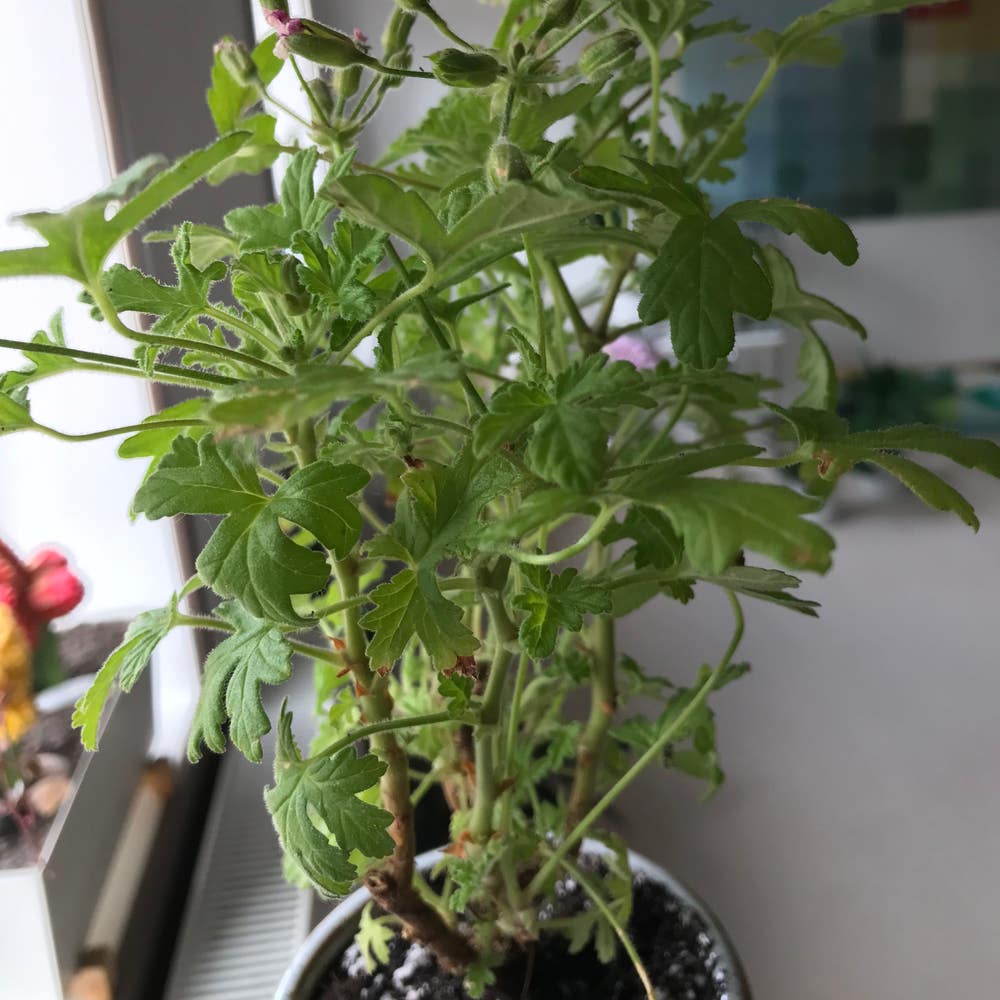
Why Are My Rose Mallow Leaves Falling Over?
Malva trimestris
By the Greg Editorial Team
Mar 01, 2024•4 min read
This article was created with the help of AI so we can cover more plants for you. May contain errors. See one? Report it here.
- Overwatering and underwatering both lead to drooping Rose Mallow leaves.
- Weather and nutrients matter: Protect from extreme conditions and use balanced fertilizer.
- Adjust care seasonally: Tailor watering and fertilizing to your plant's needs.
Pinpointing the Culprits
💧 Overwatering and Root Health
Yellowing leaves and a swampy soil feel are red flags for overwatering your Rose Mallow. This excess moisture attacks the roots, leading to a condition known as root rot. Once the roots are compromised, they struggle to support the plant, causing leaves to droop and fall over.
To combat this, reduce watering immediately upon noticing signs of overwatering. Also, ensure that your plant is in well-draining soil to prevent water from pooling around the roots.
🏜️ Underwatering: The Wilt Factor
On the flip side, underwatering your Rose Mallow can lead to dehydration. Symptoms include dry, brittle leaves that appear to be reaching out for moisture. It's essential to find a watering balance—too little and your plant wilts, too much and you risk root rot.
🌞 Weather Woes: Temperature and Humidity Impacts
Extreme weather can wreak havoc on your Rose Mallow. High temperatures and low humidity can cause leaves to fall over as the plant attempts to conserve water. To shield your plant, provide shade during peak sun hours and increase humidity with a pebble tray or humidifier.
🍽️ Nutrient Know-How: Deficiencies That Topple Leaves
Nutrient deficiencies can also lead to weak, drooping leaves. If your Rose Mallow is looking a bit lackluster, it might be crying out for a nutrient boost. A balanced fertilizer can address common nutrient gaps and give your plant the strength to keep its leaves upright.
First Aid for Fallen Leaves
💧 Reviving Overwatered Rose Mallow
If your Rose Mallow has taken a dive due to overwatering, it's time for some plant triage. Cease all watering immediately and let the soil dry out. Check the pot for drainage holes; if absent, repot into a container that allows water to escape. Introduce perlite or sand to the soil mix to enhance drainage and prevent future waterlogging.
💦 Quenching Thirsty Plants
For a dehydrated Rose Mallow, gradual rehydration is key. Avoid shocking your plant with a sudden deluge. Instead, water the soil slowly, ensuring it reaches the roots without creating a swamp. If the soil is bone-dry, consider a bottom-soaking method by placing the pot in a tray of water, allowing the moisture to wick upwards evenly.
🌡️ Adjusting the Atmosphere
Sometimes, it's not just about water. Your Rose Mallow's environment might need tweaking to prevent future leaf drop. Ensure your plant is in a spot with stable temperatures and adequate humidity. If your indoor air resembles the Sahara, a humidifier can work wonders. Remember, your plant doesn't want to live in a rainforest or a desert—it craves that perfect in-between.
Ongoing Care to Keep Leaves Upright
💧 Watering Wisdom: Finding the Sweet Spot
Creating a tailored watering schedule for your Rose Mallow is crucial. It's about striking a balance; your plant doesn't want to swim or thirst to death.
Consistency is Key
Monitor the soil's moisture level before watering—stick your finger in the soil; if it's dry an inch down, it's time to water. Avoid soggy soil to prevent root rot.
Seasonal Adjustments
Adjust your watering habits with the changing seasons. Less is more during the cooler months, and a bit more during the hot spells. It's like adjusting your wardrobe for the weather—necessary and sensible.
🌿 Feeding Fundamentals: Nutrients for Strong Leaves
Using fertilizers effectively is a game-changer for preventing leaf droop. Think of it as a diet plan for your plant—balanced and regular.
Balanced Diet for Plants
Opt for a balanced fertilizer, ideally with equal parts nitrogen, phosphorus, and potassium. Over-fertilization is just as bad as underfeeding, so keep it moderate.
Timing is Everything
Fertilize every few weeks during the growing season, but ease up when growth slows down. It's about giving your plant what it needs, when it needs it—no more, no less.
⚠️ Safety First
This content is for general information and may contain errors, omissions, or outdated details. It is not medical, veterinary advice, or an endorsement of therapeutic claims.
Always consult a qualified healthcare professional before using any plant as food, medicine, or supplement.
Never eat any plant (or feed one to pets) without confirming its identity with at least two trusted sources.
If you suspect poisoning, call Poison Control (800) 222-1222, the Pet Poison Helpline (800) 213-6680, or your local emergency service immediately.
Spotted an error? Please report it here.
Revitalize your Rose Mallow's drooping leaves to stand tall 🌿 with Greg's personalized care schedule that prevents over and underwatering!