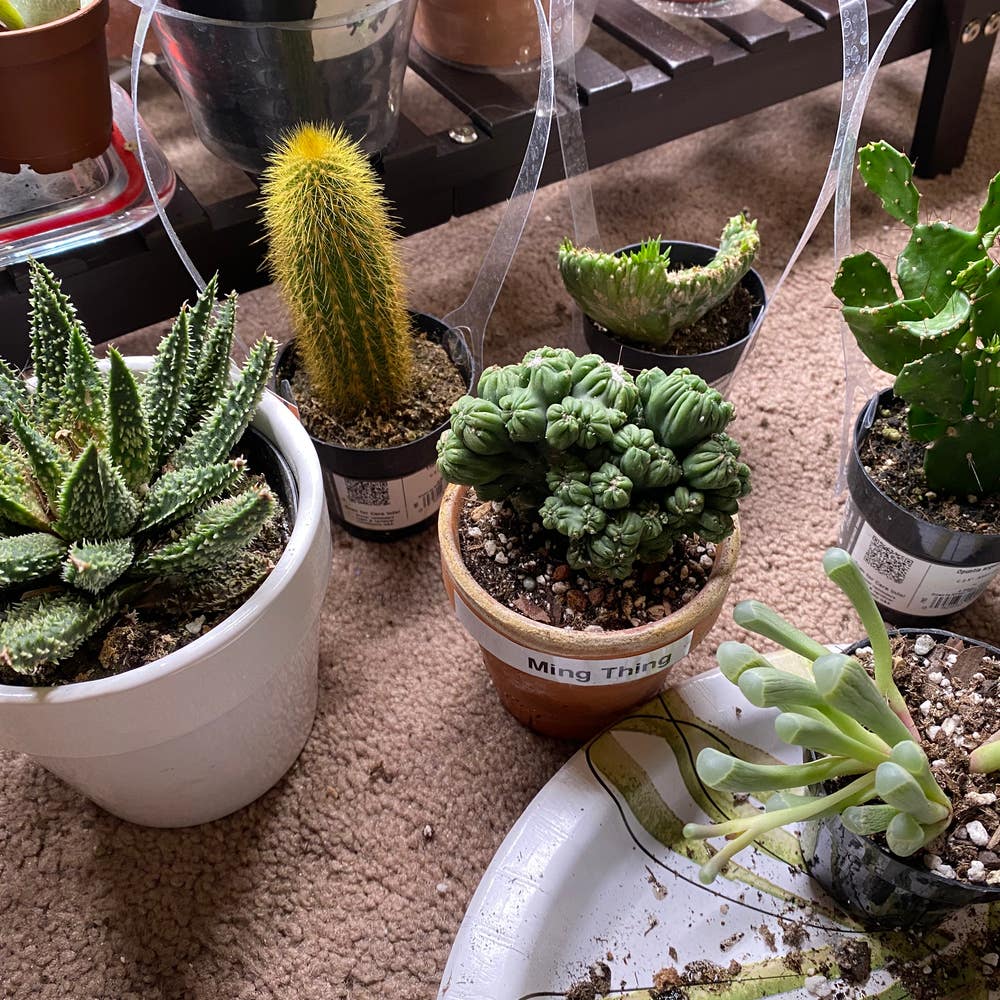
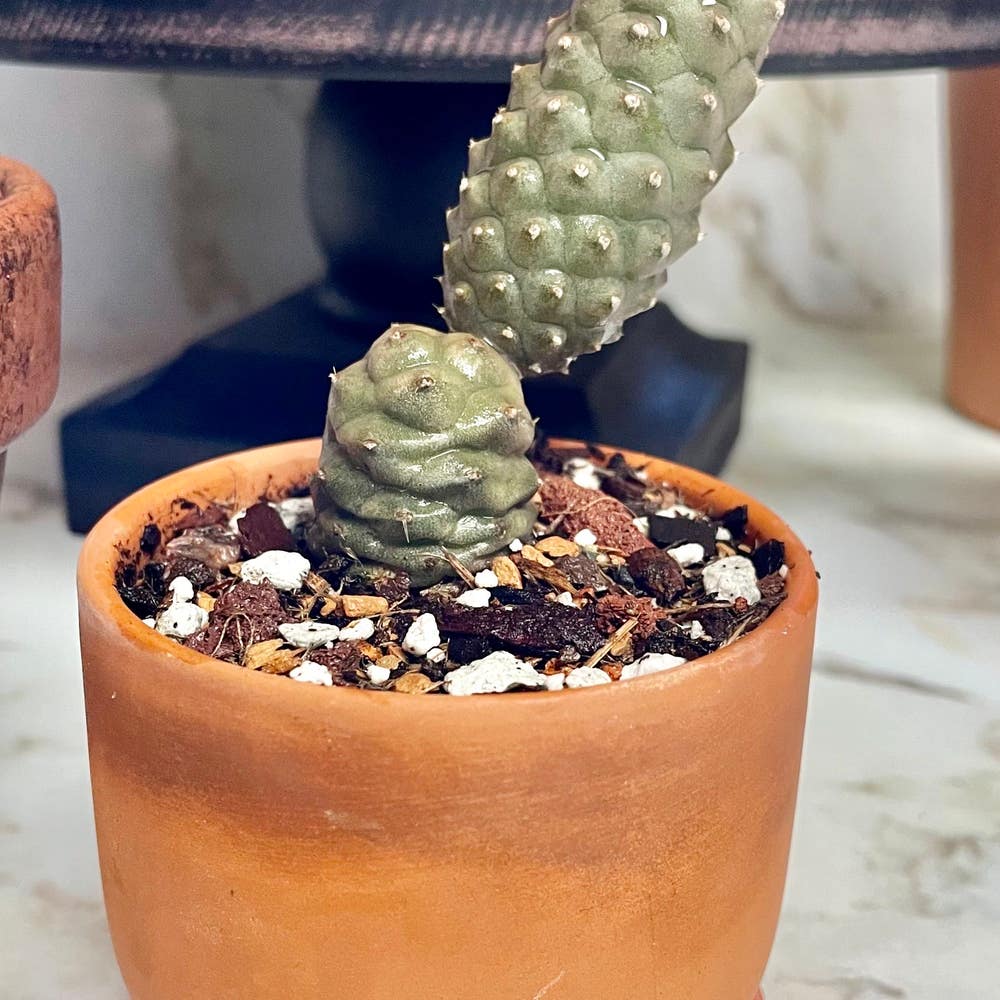
Propagating Ming Thing Cactus: The Ultimate Guide
Cereus forbesii f. monstrose 'Ming Thing'
By the Greg Editorial Team
Jun 18, 2024•7 min read
This article was created with the help of AI so we can cover more plants for you. May contain errors. See one? Report it here.
Propagate your Ming Thing Cactus effortlessly with this ultimate guide, and watch your cacti collection thrive! 🌵✨
- Three methods: Pups (easiest), stem cuttings, or seeds (patience required).
- Prep is key: Gather tools, well-draining soil, and consider rooting hormone.
- Post-care vital: Bright light, warm temps, and careful watering ensure success.
Kickstarting Your Propagation Journey
🌵 Choosing Your Propagation Method
In the world of Ming Thing Cactus propagation, you've got options: pups, stem cuttings, or seeds. Each method has its own fan club and secret handshake, but it's not about popularity—it's about what works for you.
🌱 Pups: The Easy Peasy
Pups are like the cactus's gift to the impatient. Spot them, gently twist, and you've got yourself a mini-Ming ready to go solo.
✂️ Stem Cuttings: The Middle Road
Stem cuttings are the Goldilocks of propagation—not too hard, not too easy. Snip a healthy piece, let it callous, and play the waiting game.
🌱 Seeds: The Slow Burn
Seeds are for those who savor the journey. It's a test of patience, but germinating your own Ming from scratch is like watching your favorite series unfold in slow motion.
🌱 Preparing for Propagation
Before you dive into the propagation pool, let's make sure you've got your gear in check.
Tools of the Trade
- Sharp knife or shears: Think Excalibur, but for plants.
- Small pots: Your cactus's first crib.
- Well-draining soil: Because nobody likes wet feet, not even cacti.
The Optional Extras
- Rooting hormone: Not required, but it's like a secret growth elixir.
- Humidity dome: If you're going the extra mile, this keeps the atmosphere as cozy as a cactus could want.
Now, with your toolkit ready, it's time to get your hands dirty. Or, well, sandy—because it's a cactus we're talking about.

Pups Division: Multiplying Your Ming Thing
🌱 Identifying and Harvesting Pups
Spotting ready-to-separate pups is key in propagation. Look for offsets that have formed their own roots and are about a quarter the size of the mother plant. Gently lay the parent cactus on its side and use clean, sharp tools to sever the pup, taking care not to damage the main stem. Ensure any roots attached to the pup remain intact to foster independent growth.
🌵 Planting and Initial Care
Soil preparation is crucial. Use a well-draining cactus mix and plant the pup in a pot with adequate drainage to prevent waterlogged conditions. Water the soil lightly to settle the roots and maintain consistent moisture without overwatering. Place the pot in a spot with bright, indirect light and wait for the magic to happen. Growth indicates successful propagation, so keep an eye out for new spines or pads.

Stem Cuttings: A Cut Above
🌱 Snip and Plant
In the realm of Ming Thing Cactus propagation, stem cuttings are like a secret handshake—easy once you know how. Select a healthy stem and make a clean cut just below a leaf node. This is where the growth potential is concentrated. Use a sharp blade to avoid crushing the plant's tissues, which can hinder rooting.
Once you have your cutting, dip the cut end into rooting hormone. This isn't a step to skip if you're serious about success; think of it as the difference between a roll of the dice and a calculated bet. Plant the cutting in moist, well-draining soil. Now, the waiting game begins.
🌱 After the Cut
Post-cut, your cutting's environment is its lifeline. Maintain a warm temperature, ideally between 65°F and 75°F, to encourage root development. A heat mat can be your ace in the hole here, nudging the rooting media temperature a few degrees higher.
Bright, indirect light for 4 to 6 hours a day will keep your cutting from throwing in the towel. Too much light is like an overzealous coach—it can burn out your players. Too little, and they won't have the energy to perform.
As for the rooting medium, think Goldilocks: not too wet, not too dry. Options like perlite, coarse sphagnum moss, or a well-amended potting soil set the stage for rooting success. After a few weeks, give the cutting a gentle tug. If it resists, roots are forming, and it's on its way to becoming a full-fledged Ming Thing.

Seed Propagation: From Tiny Seeds to Mighty Cacti
🌱 Sowing the Seeds of Growth
Embarking on seed propagation is like signing up for a masterclass in patience. Seed collection is your first step; after your Ming Thing Cactus blooms, snatch those seeds for your propagation project.
🗝️ Preparation is Key
Get your hands on a well-draining soil mix and a shallow container. Scatter the seeds on top, then lightly dust with sand or grit—think of it as a protective topcoat rather than a burial.
🌱 Sowing Strategy
Avoid the temptation to overcrowd; give your seeds some personal space. This isn't a mosh pit; it's more like a well-organized queue where everyone gets a chance to shine.
🌱 Germination and Beyond
Creating the right conditions for germination is like setting the stage for a rock concert—you need the perfect environment for the show to go on.
🌡️ Temperature and Humidity
Warmth is your seedlings' best friend, so keep them cozy. A humid environment initially is crucial, but don't let things get swampy. Gradually decrease moisture to toughen them up for the real world.
💡 Lighting the Way
Introduce your seedlings to light gradually. If the sun's being shy, consider supplemental lighting to keep the growth steady.
🚰 Watering Wisely
Keep the soil's top inch moist but not drenched. Overwatering is the express lane to root rot city, and you don't want to visit there.
👀 Growth Monitoring
Watch your seedlings like a hawk, but resist any helicopter parenting urges. They need some tough love to grow up strong and spiky.
Post-Propagation Care: Ensuring Success
🌵 The Right Environment
Ensuring your newly propagated Ming Thing Cactus thrives involves meticulous attention to its environment.
💡 Light
Bright, indirect light is your cactus's best friend. Direct sunlight is the archenemy, capable of leaving your plant with unsightly sunburn.
🌡️ Temperature
Maintain a steady, warm temperature, avoiding the extremes that could stress your cactus out.
🚰 Watering
Watering should be judicious. Overwatering is the fast track to root rot, while underwatering will leave your cactus high and dry.
🌱 Growth Support
After your Ming Thing Cactus has settled into its new home, it's time to think about long-term care.
🍽️ Fertilization
A light hand with fertilizer is key. Overfeeding can be just as detrimental as neglect.
👀 Observation
Keep a vigilant eye on growth and any signs of distress. Adjust care as necessary, because when it comes to cacti, the devil is in the details.
Troubleshooting Propagation Pitfalls
🌱 Common Setbacks and Solutions
Root rot is the archenemy of propagation. If your Ming Thing Cactus cutting turns mushy, it's likely due to overwatering. Act fast: snip above the rot and repot, this time with a lighter touch on the watering can.
Damping-off is a fungal menace that thrives in excess moisture. To combat this, ensure your soil is well-draining and don't overdo the watering. Think of it as setting up a good drainage system; without it, you're inviting chaos.
Pest infestations can ambush your young plants. Keep an eye out for mealybugs, aphids, and other freeloaders. A timely application of a Pyrethrum-based spray can show these gatecrashers the door.
When it comes to division, size does matter. Each section needs a balance of leaves, stems, and roots. Too small, and the plant's recovery could be sluggish. Too large, and you're not maximizing your propagation potential.
If your plant's roots look more like soggy spaghetti than firm, white tendrils, you've got root rot. Remove the affected parts, let the healthy ones dry out, and repot in fresh, well-draining soil. Remember, proper drainage is your plant's lifeline.
Yellow leaves can signal trouble, possibly due to overwatering or pests. Inspect the soil and look for uninvited guests. Adjust your watering regimen and consider the temperature—too cold and your cuttings will droop.
Lastly, if your propagation efforts are moving at a snail's pace, reconsider your lighting setup. Bright, indirect sunlight is key. Too little light and growth stalls; too much and you risk a sunburned cactus. Adjust your plant's position to find that sweet spot.
⚠️ Safety First
This content is for general information and may contain errors, omissions, or outdated details. It is not medical, veterinary advice, or an endorsement of therapeutic claims.
Always consult a qualified healthcare professional before using any plant as food, medicine, or supplement.
Never eat any plant (or feed one to pets) without confirming its identity with at least two trusted sources.
If you suspect poisoning, call Poison Control (800) 222-1222, the Pet Poison Helpline (800) 213-6680, or your local emergency service immediately.
Spotted an error? Please report it here.
With Greg's custom watering alerts, propagating your Ming Thing Cactus 🌵 becomes a breeze, ensuring your plantlets thrive from the get-go!