💧 Why Are My Ming Thing Cactus Leaves Mushy?
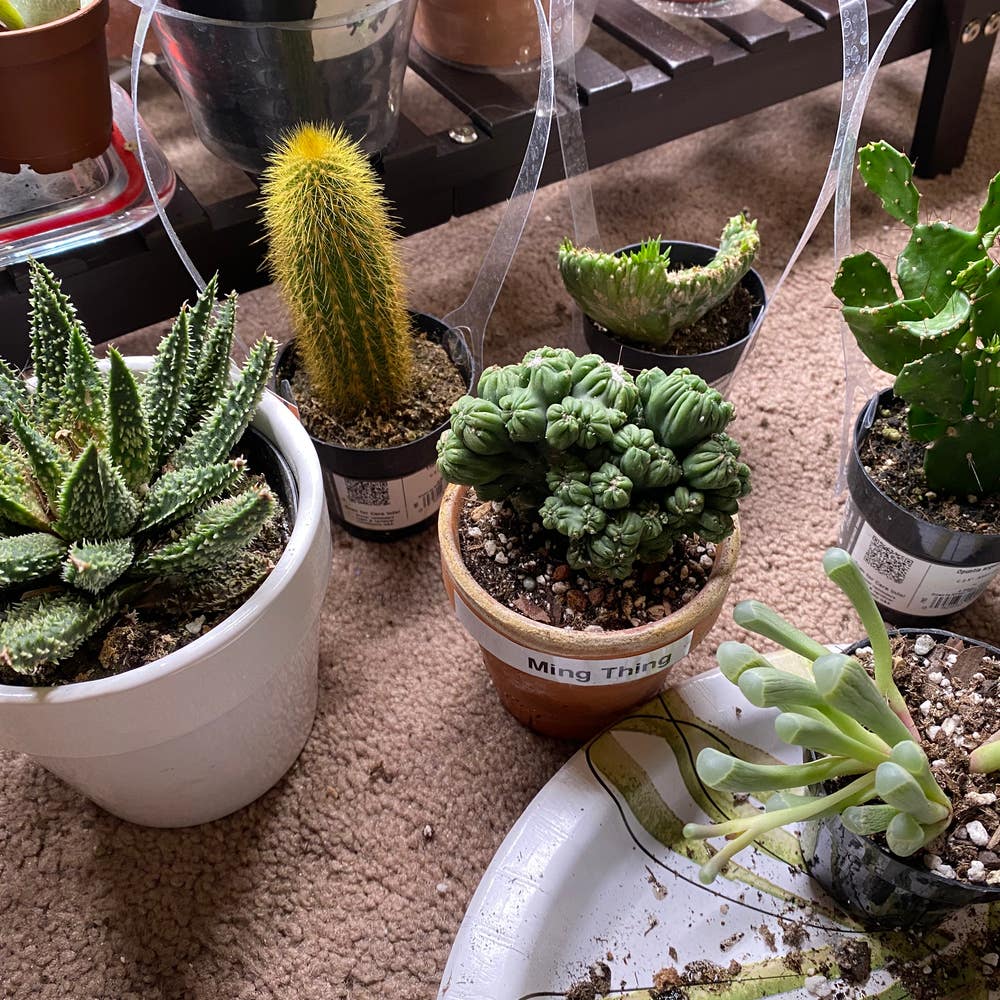
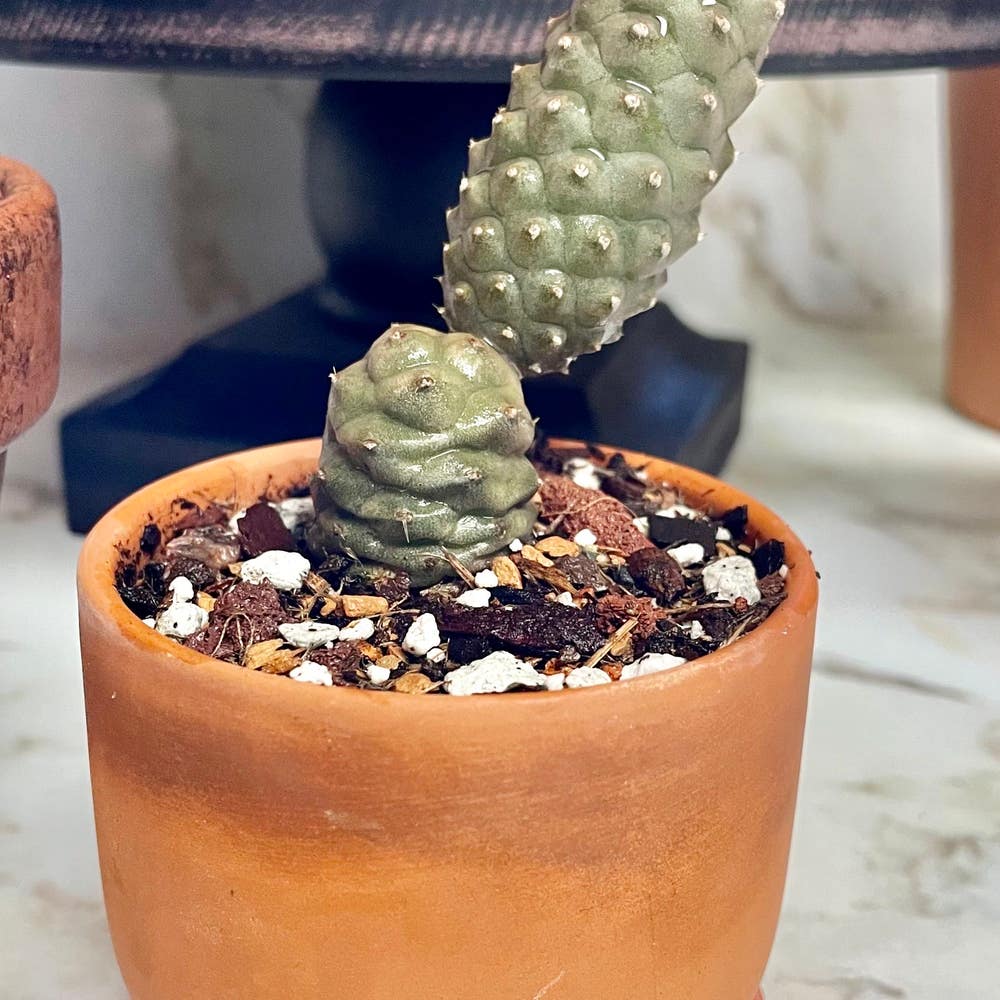
Cereus forbesii f. monstrose 'Ming Thing'
By the Greg Editorial Team
Jun 18, 2024•4 min read
This article was created with the help of AI so we can cover more plants for you. May contain errors. See one? Report it here.
Revive your mushy Ming Thing Cactus 🌵 and prevent future sogginess with our savvy care tips!
- Squishy leaves mean overwatering; halt watering and let the cactus dry.
- Root rot and fungus? Trim roots, repot, and use targeted fungicides.
- Prevent future mushiness with proper watering, soil, and environment.
Spotting the Trouble: Signs Your Ming Thing Cactus is Too Wet
🚱 Telltale Symptoms of Overwatering
Squishy leaves on your Ming Thing Cactus? That's the plant's way of waving a white flag. If the pads feel more like a ripe fruit than a desert dweller, you've got a waterlogged situation on your hands. Yellowing or wilting is the cactus's SOS—don't ignore these visual cues.
🕳️ Root Rot Revelation
Blackened or mushy roots are the horror show you never wanted to star in. If your cactus is slumping or showing pale growth, it's time to go underground and check the roots. A foul odor from the soil is your cue for a root rot investigation—trust your nose on this one. If the roots feel like they've been through a blender, it's confirmation you've got a case of the rots.

Immediate Rescue Tactics for Mushy Leaves
🚱 Halting Water Intake
Stop watering immediately. Your Ming Thing Cactus is drowning in excess moisture, and it's time for an intervention. Let the soil dry out completely before you even think about giving it another drop.
Drying Out Your Cactus
To dry out your cactus, remove it from its pot and brush off excess soil. Place it in a warm, shaded area with good air circulation. Resist the urge to water; think of it as a cactus detox.
Dealing with Root Rot
🏥 Surgical Root Care
Inspect the roots. If they're brown and mushy, it's time for some tough love. Trim away the rotten parts with sterilized scissors or shears. Disinfect your tools after each cut to prevent spreading disease.
The Repotting Process
Once the damaged roots are gone, let the cactus air out a bit before repotting in fresh, dry cactus mix. Choose a pot with excellent drainage, and consider adding pumice or coarse sand to the mix for an extra drainage boost. Remember, terracotta pots are MVPs for moisture control.
Monitoring After Repotting
After repotting, keep a close eye on your cactus. Look for signs of recovery, such as new growth or scar tissue. This is your cactus's way of saying "thanks." When you see these signs, you can slowly resume watering, but keep it light—a sprinkle, not a storm.

Battling Fungus Among Us
🍄 Identifying Fungal Foes
Fungal infections in Ming Thing Cacti can turn a quirky plant into a mushy mess. Brown spots or a powdery substance are the red flags. If you spot these, it's time to play detective and confirm a fungal invasion.
🌧 Understanding the Fungal-Mushiness Link
The link between fungi and mushiness is straightforward: fungi thrive in moist conditions and break down plant tissue, leading to that undesirable sogginess. Recognizing this connection is crucial for the health of your cactus.
🛡️ Fungicide to the Rescue
Choosing the right fungicide is like picking the best armor for your plant. Look for products containing potassium bicarbonate or a mix of tebuconazole and trifloxystrobin. They're your cactus's knights in shining armor.
💦 Application Tips for Effective Results
When applying fungicides, precision is your best friend. Spot-treat affected areas and follow the label to a T. Remember, overuse is the enemy. And don't forget to suit up with protective gear—safety first!

Long-Term Care to Prevent Sogginess
🚰 Mastering the Art of Watering
Crafting the perfect watering schedule for your Ming Thing Cactus is crucial. Overwatering can lead to mushy leaves, while underwatering can stress the plant. To achieve the right balance, water only when the top inch of soil is dry. Use room temperature water to avoid shocking the plant's roots. Consider using a moisture meter for more precise measurements, especially if you're unsure about the soil's moisture level by touch alone.
Tools and Tricks for Moisture Management
- Daylight watering can be beneficial; morning is ideal as it allows water to evaporate throughout the day.
- A consistent schedule is key, but remain flexible, adjusting for seasonal changes in temperature and light.
- Use drainage holes in pots to prevent water from pooling at the bottom.
Soil and Environmental Mastery
Selecting the right soil mix is like setting a strong foundation. Opt for a mix that drains well yet retains enough moisture to keep the roots hydrated without becoming waterlogged. A blend of coco coir or sphagnum moss with perlite is often recommended. Ensure the pot has adequate drainage holes to avoid soggy soil conditions.
Creating a Cactus-Friendly Environment
- The ideal environment mimics the cactus's natural habitat. Provide plenty of sunlight and good air circulation.
- In winter, reduce watering as the plant enters a dormant phase.
- Consider a layer of gravel or mulch on the soil surface to help maintain even soil moisture levels.
⚠️ Safety First
This content is for general information and may contain errors, omissions, or outdated details. It is not medical, veterinary advice, or an endorsement of therapeutic claims.
Always consult a qualified healthcare professional before using any plant as food, medicine, or supplement.
Never eat any plant (or feed one to pets) without confirming its identity with at least two trusted sources.
If you suspect poisoning, call Poison Control (800) 222-1222, the Pet Poison Helpline (800) 213-6680, or your local emergency service immediately.
Spotted an error? Please report it here.
Bring your Ming Thing Cactus back to life 🌵 with Greg's tailored reminders, ensuring you water just right and never too much.