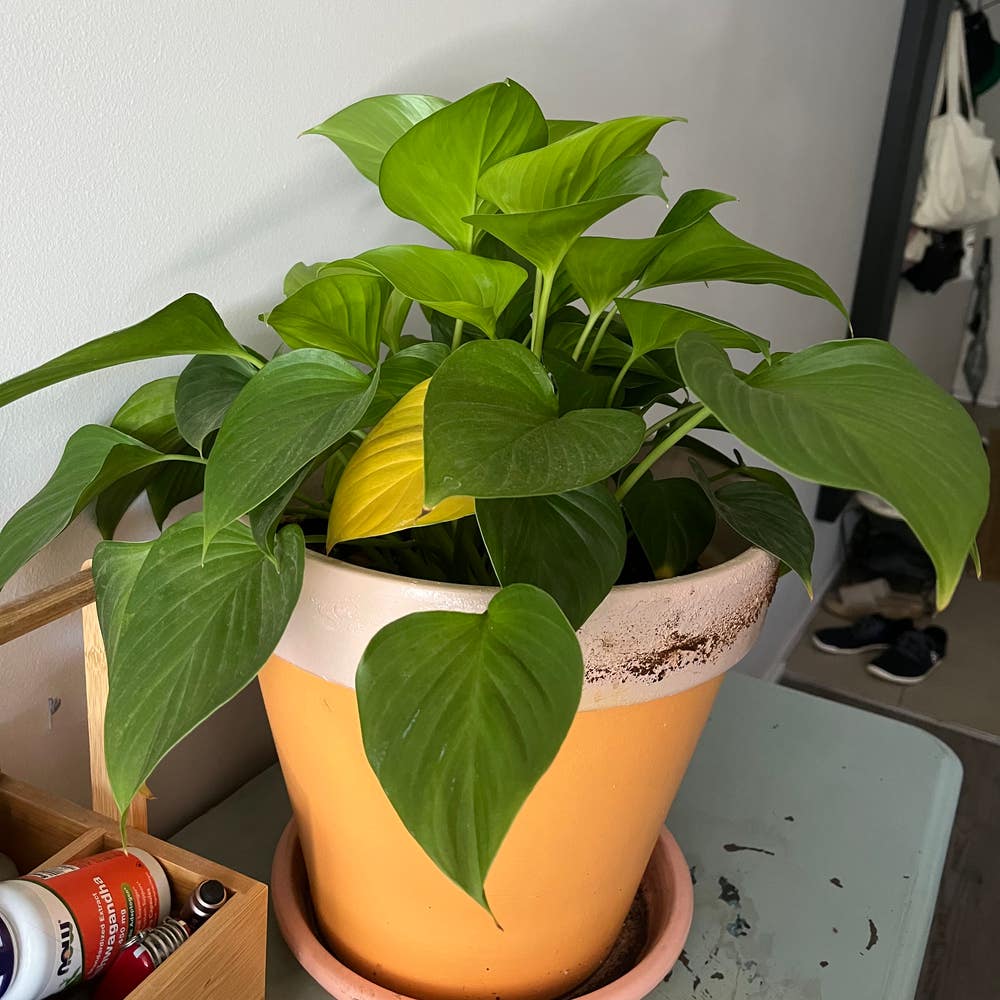
Propagating My Homalomena 'Red Velvet': Step-by-Step Guide
Homalomena humilis 'Red Velvet'
By the Greg Editorial Team
Mar 14, 2024•4 min read
This article was created with the help of AI so we can cover more plants for you. May contain errors. See one? Report it here.
Propagate your lush 'Red Velvet' 🌿 effortlessly with our fail-safe, step-by-step guide!
- Spring division ensures success; look for overcrowding as a sign.
- 🌱 Stem cuttings thrive with robust stems, aerial roots, and sterilized tools.
- Combat challenges with well-draining soil, proper watering, and pest vigilance.
Propagating by Division
🌱 When to Divide Your Plant
Spring is the sweet spot for division, tapping into the plant's natural growth spurt. If your Homalomena 'Red Velvet' is looking like it's ready to burst out of its pot, it's time for action. Overcrowding is a clear signal; your green buddy is screaming for some breathing room.
🪴 The Division Process
First, evict your plant from its current home. Be gentle—those roots are precious. Spot the natural separations like you're looking for fault lines in the earth. Now, get hands-on or knife-happy for the tough parts, ensuring each division has roots and shoots. New homes await—pot each baby in fresh, well-draining soil.
🌿 Post-Division Care
Consistency is your new mantra. Keep the soil moist, not waterlogged. Bright, indirect light is the sweet spot for these newbies. Hold off on the fertilizer—let them settle in first. New growth is your high-five for a job well done. And remember, vigilance against pests and diseases pays off—be ready with your insecticidal soap or neem oil arsenal.
Propagating from Stem Cuttings
🌱 Choosing and Preparing Stem Cuttings
Selecting the right stem is non-negotiable for propagation success. Opt for stems that are robust, vibrant, and, ideally, flaunting aerial roots. These characteristics hint at a stem's readiness to strike new roots.
🛡️ Preparing Your Stem Cuttings
Before making the cut, sterilize your tools to fend off any potential infections. Slice below a node at a sharp angle to maximize water intake and root growth potential. This is plant surgery, and precision matters.
🌿 Rooting Your Cuttings
💧 In Water
For water rooting, a clear glass vessel filled with filtered or distilled water is your go-to. This setup lets you play voyeur to your cutting's root development. Keep the water fresh, changing it every few days to maintain a clean and oxygen-rich environment.
🌱 In Soil
If you're team soil, plant your cutting in a mix that's the epitome of balance—moist yet well-draining. Think of it as a cozy bed that's just right, not too wet, not too dry. A mini greenhouse effect can be achieved by covering the pot with a plastic bag to lock in humidity.
💦 Caring for New Cuttings
Once roots make their debut, it's time for consistent moisture and a mild feeding regimen. Bright, indirect light is the sweet spot for growth without the risk of sunburn. Gradually introduce your cuttings to their new world, avoiding any harsh transitions that could cause a setback.
Separating and Growing Offsets
🌱 Spotting and Separating Offsets
In the lush foliage of your Homalomena 'Red Velvet', offsets are your future green gems. Spot them nestled against the mother plant, sporting their own roots like a badge of impending independence. They're ready for the big move when they look like mini-me versions of the parent, plump with a few roots to anchor their new life.
Sterilize your tools before you dive in—think surgeon, not gardener. With a steady hand, gently twist or slice the offsets away, ensuring a clean break. It's like performing a plant C-section; precision is key. Remember, you're not just separating plants; you're setting the stage for a new generation.
🌿 Encouraging Offset Growth
Once you've liberated your offsets, it's time to get them settled. Choose a well-draining soil mix that's more inviting than a fluffy down comforter. Plant them shallowly, letting their roots stretch out without being smothered. Water them with the restraint of a desert cactus—overdo it, and you'll drown their enthusiasm for growth.
Place your offsets in a spot that gets indirect sunlight, like a shady nook on a sunny day. Keep an eye out for pests and diseases; they're the party crashers of the plant world. When you see new growth, give yourself a pat on the back—you've just expanded your Homalomena family.
Overcoming Propagation Pitfalls
🌱 Common Propagation Challenges
Root rot is a notorious issue, often stemming from overwatering. It's like giving your plant a bath when it just needs a sip. Wilting or discolored leaves can signal environmental stress or care missteps. Fungal infections, such as gray mold or powdery mildew, creep in when conditions are too damp. Pests can also ambush your propagation efforts, turning new growth into an all-you-can-eat buffet.
🛠️ Solutions and Preventative Measures
To combat root rot, trim the affected roots and let them dry before repotting in well-draining soil. Adjust your watering to keep the soil moist but not waterlogged. For wilting, reassess your light and water regimen. Fungicides may be necessary to address fungal infections, but prevention is key—ensure good airflow and avoid overly humid environments. Keep pests at bay with insecticidal soap and maintain sterile tools to prevent disease transmission. Remember, a little vigilance goes a long way in the propagation game.
⚠️ Safety First
This content is for general information and may contain errors, omissions, or outdated details. It is not medical, veterinary advice, or an endorsement of therapeutic claims.
Always consult a qualified healthcare professional before using any plant as food, medicine, or supplement.
Never eat any plant (or feed one to pets) without confirming its identity with at least two trusted sources.
If you suspect poisoning, call Poison Control (800) 222-1222, the Pet Poison Helpline (800) 213-6680, or your local emergency service immediately.
Spotted an error? Please report it here.
Ensure your Homalomena 'Red Velvet' cuttings thrive 🌱 by following this guide and using Greg to monitor moisture and light for perfect propagation conditions.