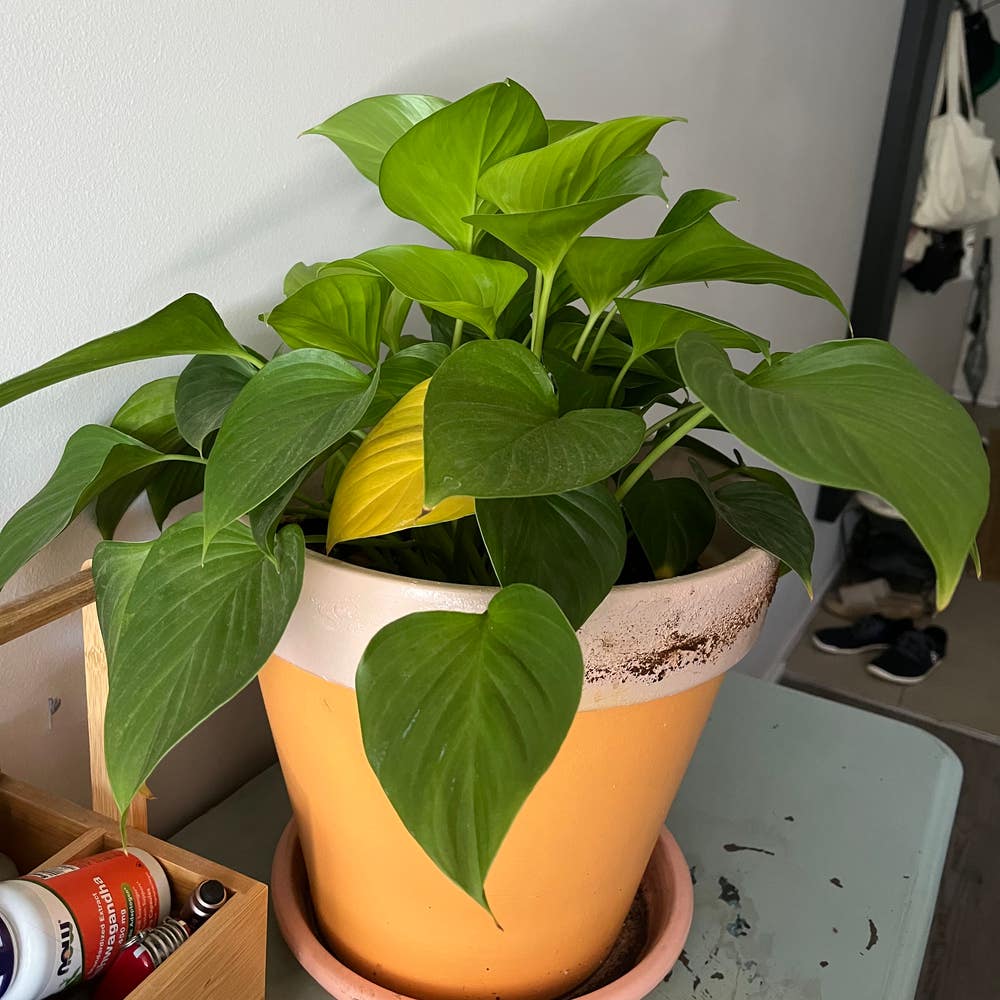
Should I Repot My Homalomena 'Red Velvet'?
Homalomena humilis 'Red Velvet'
By the Greg Editorial Team
Mar 14, 2024•4 min read
This article was created with the help of AI so we can cover more plants for you. May contain errors. See one? Report it here.
Discover the secret to a lush Homalomena 'Red Velvet' with the right repotting know-how 🌿🏡.
- Roots peeking out? Time to repot your Homalomena 'Red Velvet'.
- Choose the right pot: Terracotta breathes, ceramic's stylish, plastic retains moisture.
- Post-repot care: Water carefully and maintain consistent light.
Spotting the Tell-Tale Signs It's Time for a New Home
🌱 Root Revelations
Roots peeking out of drainage holes are a clear distress signal from your Homalomena 'Red Velvet'. Like a plant's plea for help, roots circling the surface or making a break for it out the bottom indicate it's time for a new pot.
🌿 Plant Performance
When your 'Red Velvet' shows sluggish growth or the leaves look less than perky, it's not just throwing a tantrum—it's likely feeling the pinch of a cramped pot. Yellow leaves or a top-heavy stance are your plant's way of saying, "I need more room, stat!"
Picking the Perfect Pot
🏺 Material Matters
Terracotta, the breathable choice, lets roots and soil breathe, reducing the risk of waterlogging. Its downside? It's heavy and can crack when temperatures drop. Ceramic pots are stylish, keeping soil moist longer, but they're weighty and can be fragile. Plastic is the lightweight, wallet-friendly option, but beware of overwatering, as it retains moisture well.
Size and Stability
Select a pot that's one size larger than the current one; too big, and you risk moisture issues. Stability is crucial for your Homalomena 'Red Velvet'. A stable base prevents toppling, with terracotta and ceramic offering heft, while plastic may need extra support. Always ensure there's a drainage hole—root health depends on it.
The Repotting Ritual
🧼 Prep Work
Before you start the repotting dance, sanitize your new pot like it's going into surgery—it's that important. Make sure it has drainage holes; if not, your Homalomena 'Red Velvet' will be sitting in a swamp, and no one likes swampy feet.
🕊️ The Gentle Uproot
It's time to coax your plant out. Think of it as a VIP exiting a limo—no shoving. If it's sticking, a gentle tap on the pot or a careful slide of a knife around the inside edge should loosen things up. Remember, it's about finesse, not force.
💎 Root Review and Trim
Now, inspect the roots with the focus of a jeweler examining a diamond. Snip away any dead or rotting bits with sterilized scissors. If your plant's roots are circling like a constrictor snake, it's time to give them a trim to encourage new growth.
🪴 Settling into the New Space
Place your plant in the new pot, ensuring it's not too deep or shallow—think of it as setting it on a throne. Fill around it with soil, pressing lightly to eliminate air pockets without compacting. You want the roots to breathe, not suffocate.
Post-Repotting Care
🌱 Initial Adjustments
After your Homalomena 'Red Velvet' has settled into its new pot, it's time to focus on the initial adjustments. Watering is your first checkpoint; give it a thorough drink to help it settle, then let the top inch of soil dry out before the next watering. Overwatering is a common misstep, so err on the side of too dry rather than too wet.
When it comes to light, consistency is key. Maintain the same lighting conditions as before to prevent stress. If you've moved your plant to a different location, ensure the light is indirect and comforting, not a drastic change from its previous spot.
🌿 Long-Term Love
Long-term care for your Homalomena 'Red Velvet' involves vigilance and a willingness to adjust. Monitor for signs of stress such as drooping or discolored leaves, and be ready to tweak your care routine accordingly. If you notice any leaves that look like they've given up, trim them off to allow your plant to focus on the fresh, healthy growth.
Remember, patience is crucial. Your plant won't bounce back overnight, but with consistent care, it will flourish. Hold off on fertilizing for at least six months to give your plant a chance to acclimate and establish itself in its new home. Keep an eye on the temperature and airflow around your plant, avoiding extremes that could shock its system.
⚠️ Safety First
This content is for general information and may contain errors, omissions, or outdated details. It is not medical, veterinary advice, or an endorsement of therapeutic claims.
Always consult a qualified healthcare professional before using any plant as food, medicine, or supplement.
Never eat any plant (or feed one to pets) without confirming its identity with at least two trusted sources.
If you suspect poisoning, call Poison Control (800) 222-1222, the Pet Poison Helpline (800) 213-6680, or your local emergency service immediately.
Spotted an error? Please report it here.
Repot your Homalomena 'Red Velvet' with ease and watch it flourish, as Greg 🌱 subtly nudges you with the perfect post-repotting care reminders.