How Do I Cure Homalomena 'Red Velvet' Root Rot?
Homalomena humilis 'Red Velvet'
By the Greg Editorial Team
Mar 14, 2024•4 min read
This article was created with the help of AI so we can cover more plants for you. May contain errors. See one? Report it here.
Rescue your Homalomena 'Red Velvet' 🌿 from the dreaded root rot with our expert recovery guide!
- Yellow leaves and foul smell indicate root rot in Homalomena 'Red Velvet'.
- Prune roots, repot, and adjust water for recovery and prevention.
- Use moisture meters and well-draining pots to prevent overwatering.
Spotting the Red Flags: Symptoms of Root Rot in Homalomena 'Red Velvet'
🚨 Yellowing Leaves and Wilting
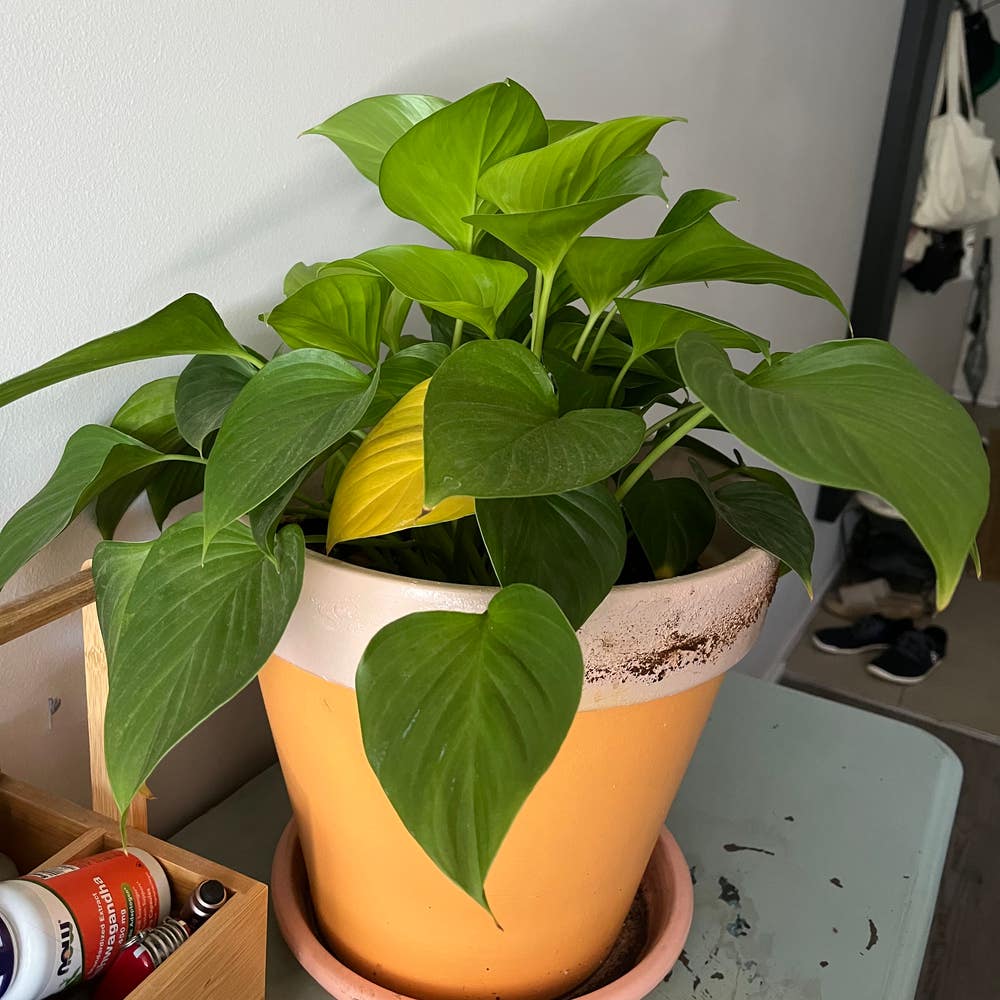
When the vibrant leaves of your Homalomena 'Red Velvet' start to yellow and wilt, it's not just a case of the Mondays. This is your plant's version of flashing hazard lights, signaling that all is not well below the soil line.
👃 The Sniff Test
Trust your nose when it comes to root rot. If a whiff of the soil around your plant reminds you of something you'd rather forget, it's likely a sign of decay. It's not just bad earth—it's a cry for help from the roots.
👀 Visual Cues
Unearth your Homalomena 'Red Velvet' and take a good look at the roots. Healthy roots are firm and white, while rotten ones are the plant equivalent of a bad apple—mushy, brown, and emitting a foul stench. If they feel like they could double as a sponge, it's time to take action.
The Rescue Mission: Treating Root Rot Step by Step
🕵️ Assessing the Damage
Before you can nurse your Homalomena 'Red Velvet' back to health, you need to diagnose the extent of the root rot. Gently remove the plant from its pot and shake off the soil to reveal the roots. Healthy roots are firm and colored white or tan, while rotten ones are mushy and brown. Snip the damaged roots with sterilized shears, leaving only the robust ones behind.
🏥 Surgery for the Soil Soul
Pruning the roots is a delicate operation. With clean, sharp tools, cut away the infected parts. Think of it as a tactical strike, removing the compromised areas to save the rest. After the pruning, choose a new pot—size matters here. It should be cozy but not cramped, with drainage holes to prevent future waterlogging. Fill it with a well-draining soil mix, a lifeline for your recovering plant.
🚑 Aftercare: Watering and Environment Adjustments
Post-surgery, your watering can should come with a restraint order. Water only when the top inch of soil feels dry, and do so sparingly. Your plant's recovery depends on a stable environment, so ensure it has access to indirect light and good air circulation. It's not just about healing; it's about setting a new standard for care.
Keeping the Velvet Lush: Prevention Tactics
💧 Water Wisdom: Balancing Moisture and Plant Health
Homalomena 'Red Velvet' plants crave the perfect sip, not a gulp. Overwatering is a surefire path to root rot. Before you water, ensure the top inch of soil is dry. If it's damp, hold off on the H2O.
Moisture meters are your undercover agents in the fight against overwatering. They'll tell you when your plant is thirsty, so you can avoid the guesswork. For those who love gadgets, self-watering pots can be a game-changer, providing consistent moisture without the risk of overdoing it.
🌱 Soil and Pot Perfection
The right soil mix for your Homalomena 'Red Velvet' is like a tailored suit: it needs to fit just right. Aim for a well-draining, airy mix. Ingredients like perlite, coconut coir, or vermiculite will keep it light and breathable.
Pots need to breathe too. Choose ones with drainage holes to let excess water escape. Breathable pots, like those made of terracotta, can further reduce the risk of soggy soil and unhappy roots.
🍄 Fungus Among Us: Keeping Disease at Bay
Early signs of fungal foes include unexpected wilting or spotting on leaves. Keep an eye out for these red flags and act swiftly.
When it comes to protectants, you have options. Natural choices like neem oil can ward off fungal threats, while chemical fungicides are available for more severe cases. Remember, the best offense is a good defense: clean pots and fresh soil are your plant's best allies in staying disease-free.
⚠️ Safety First
This content is for general information and may contain errors, omissions, or outdated details. It is not medical, veterinary advice, or an endorsement of therapeutic claims.
Always consult a qualified healthcare professional before using any plant as food, medicine, or supplement.
Never eat any plant (or feed one to pets) without confirming its identity with at least two trusted sources.
If you suspect poisoning, call Poison Control (800) 222-1222, the Pet Poison Helpline (800) 213-6680, or your local emergency service immediately.
Spotted an error? Please report it here.
Revive your Homalomena 'Red Velvet' from root rot and ensure its recovery with custom care reminders 🌱 from Greg, your partner in preventing overwatering and promoting plant health.