Common Homalomena 'Red Velvet' Problems
Homalomena humilis 'Red Velvet'
By the Greg Editorial Team
Mar 14, 2024•4 min read
This article was created with the help of AI so we can cover more plants for you. May contain errors. See one? Report it here.
Nurture your Homalomena 'Red Velvet' 🍂 to perfection by dodging these typical troubles with our pro tips.
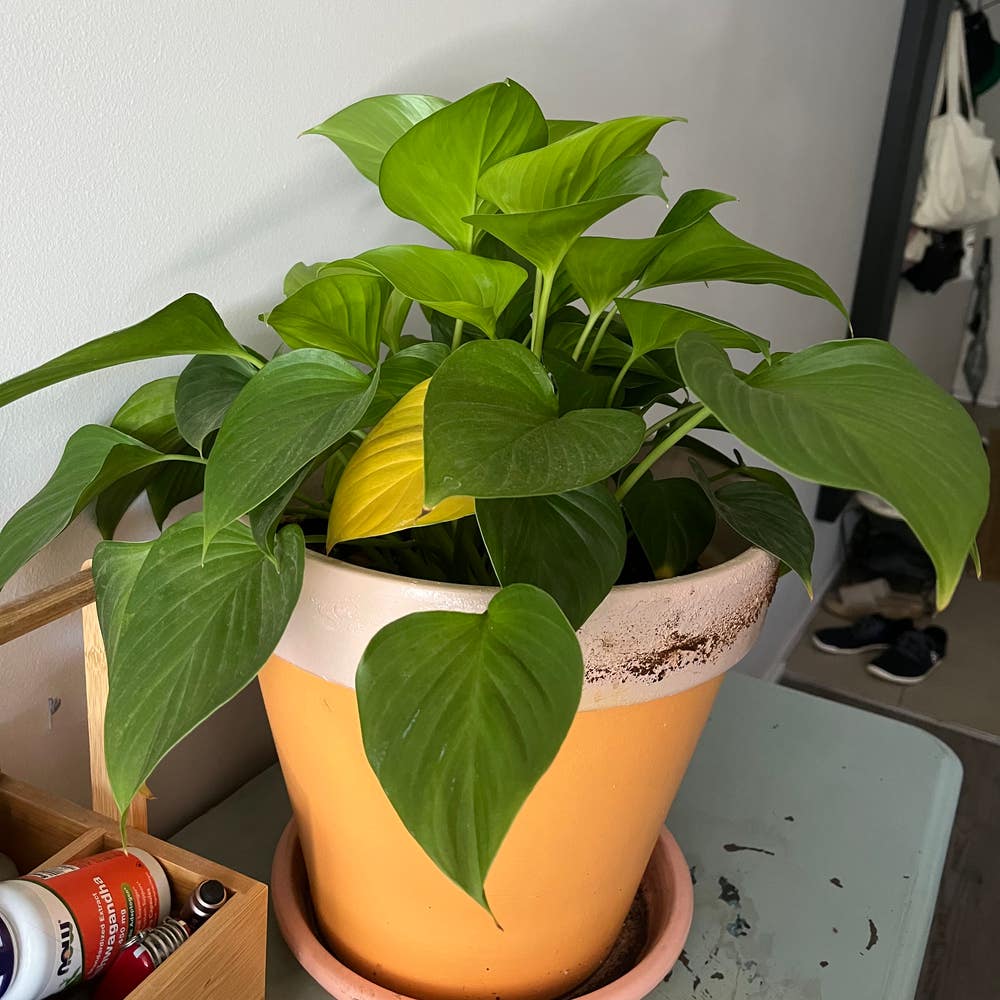
- 🌱 Yellow leaves mean over-watering; let soil dry before watering again.
- 🌞🍂 Crispy leaves signal thirst or too much sun; adjust water and light.
- 🐛 Prevent pests and fungus with dry leaves and good airflow.
Water Woes: Too Much or Too Little
🌊 Over-watering Blues
Yellowing leaves and wilting are your Homalomena 'Red Velvet' sending an SOS. If the stems feel mushy, you've overdone the hydration.
To rescue your waterlogged plant, stop watering immediately. Let the soil dry out completely before your next watering session. If root rot is suspected, remove the plant from its pot, trim away any dark, mushy roots, and repot in fresh, well-draining soil.
🏜️ The Thirsty Plant
Crispy leaves are a cry for help from a parched Homalomena 'Red Velvet'. When the soil is bone dry and pulling away from the pot's edge, it's time to act.
Water deeply, but not too often. Ensure the moisture reaches the roots without turning the pot into a swamp. A consistent watering schedule is key, but adjust based on your plant's response. If the leaves perk up after watering, you're on the right track.
Light and Temperature Tango
🌞 Too Much Sun, Too Little Light
Leaves are communication devices. When they present with brown, crispy patches, it's a clear sign of too much sun. Conversely, a lack of vibrant color and elongated growth point to insufficient light.
Reading the Leaves
Sunburnt leaves beg for less exposure, while faded ones scream for more. It's essential to observe these visual cues closely.
Shifting Shades
To adjust your plant's sunbathing routine, find a spot with bright, indirect sunlight. This is the sweet spot—enough light without the harshness of direct rays.
🌡️ Feeling Hot and Cold
Temperature fluctuations can cause leaves to brown, a sign that your plant might be experiencing a temperature tantrum.
Browning Leaves?
If leaves are browning, it's time to assess the temperature. Your plant prefers stability, not a rollercoaster of climate changes.
Keeping it Cozy
Maintain a consistent temperature to keep your plant comfortable. Avoid placing it near drafts or direct heat sources to prevent turning it into a leafy yo-yo.
Uninvited Guests: Pests and Pathogens
🐜 Pests: The Tiny Terrors
Aphids, spider mites, and mealybugs are the usual suspects when your Homalomena 'Red Velvet' starts looking a bit under the weather. These pests are sap-suckers, leaving your plant's leaves yellowed and stunted. Check for sticky residues or tiny webs to catch these critters in the act.
To show these pests the door, isolate your plant and wipe down the leaves with soapy water or neem oil. Be precise—overdoing it can harm your plant. If you're dealing with a full-blown infestation, it might be time to bring out the big guns: insecticidal soap or a miticide.
🍄 Mold and Fungus Among Us
Spotty leaves and a musty smell are your first clues that mold or fungus has gatecrashed your plant party. These fungi thrive in moist environments, so keep those leaves dry and the air moving to stop them in their tracks.
If you've already spotted the signs of a fungal fiesta, it's time for a cleanup. Increase airflow and consider a fungicide, but remember, prevention is better than cure. Maintain a dry and airy environment to keep your Homalomena 'Red Velvet' from becoming a mold magnet.
Root of the Problem: Root Rot
👃 Sniffing out Root Rot
Root rot is a stealthy adversary, often going unnoticed until it's too late. Detecting it early is key. A foul smell from the soil is your first clue; it's the olfactory equivalent of a red flag. If the roots are soft and dark instead of firm and white, you're dealing with decay.
🩺 Root Revival
Once you've identified root rot, it's time to channel your inner surgeon. Sterilize your scissors and cut away the rotted roots. Be ruthless; they're beyond saving. After the amputation, repot your plant in sterile, well-draining soil. Make sure the pot has ample drainage holes to prevent future waterlogging.
Post-Surgery Care
After repotting, monitor your plant like a hawk. Adjust your watering habits; over-watering is often the culprit behind root rot. It's a delicate balance, but with careful observation and a bit of trial and error, you can find the watering sweet spot that keeps root rot at bay.
⚠️ Safety First
This content is for general information and may contain errors, omissions, or outdated details. It is not medical, veterinary advice, or an endorsement of therapeutic claims.
Always consult a qualified healthcare professional before using any plant as food, medicine, or supplement.
Never eat any plant (or feed one to pets) without confirming its identity with at least two trusted sources.
If you suspect poisoning, call Poison Control (800) 222-1222, the Pet Poison Helpline (800) 213-6680, or your local emergency service immediately.
Spotted an error? Please report it here.
Navigate Homalomena 'Red Velvet' care with confidence as Greg helps you adjust 🔄 watering and lighting, while keeping pests at bay, for a lush and healthy plant.