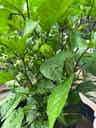
Thymus 'Low Force'
Taxonomy

Thymus 'Low Force'
Thymus
Lamiaceae
Lamiales

How to care for Thymus 'Low Force'
How often to water your Thymus 'Low Force'

every 9
Thymus 'Low Force' needs 0.5 cups of water every 9 when it doesn’t get direct sunlight and is potted in a 5" pot.
Use our water calculator to personalize watering recommendations to your environment or download Greg for more advanced recommendations for all of your plants.
Water 0.5 cups every
9
Finding light for Thymus 'Low Force' in your home

a window
Thymus 'Low Force' love being close to bright, sunny windows 😎.
Place it less than 1ft from a south-facing window to maximize the potential for growth.
Thymus 'Low Force' does not tolerate low-light 🚫.
Select your region to see how the current weather in your area affects the placement of Thymus 'Low Force' in your home 🏡.
How to fertilize Thymus 'Low Force'

Most potting soils come with ample nutrients which plants use to produce new growth.
By the time your plant has depleted the nutrients in its soil it’s likely grown enough to need a larger pot anyway.
To replenish this plant's nutrients, repot your Thymus 'Low Force' after it doubles in size or once a year—whichever comes first.
-
How much do I cut off for cooking and more will grow back? #happyplants #plantsmakepeoplehappy #plantaddict #planttherapy #plantmafia #newgrowth #gregplantshop #greggers #greggang #gregteam #newplantmom #thyme #Thyme
-
Had a visitor today! This is a three-lined leafroller moth, an insect #native to the area!
-
Is Coco good to leave outside year around? #LemonThyme this is my first thyme growing this. #HappyPlants #PlantsMakePeopleHappy #PlantAddict #GregGang #Herbs. I am in zone 5.
-
Pest identification!! Hello all! I recently planted some thyme and noticed these super tiny bugs all over the soil and pot. They’re an off white color with what looks like 2 longer legs or antennae in the front. Immediately my thyme isn’t doing well. I had the same bugs in the same pot when I was trying to grow dill previously, and while I got quite a few sprouts none of them made it and I had to abandon it. I thoroughly bleached the pot before planting the thyme. What’s odd is that I used the same bag of soil for my rosemary and parsley, and while I’ve noticed a few bugs on the rosemary (which is also struggling to grow), there’s none on the parsley. What are these things, and are they killing my plants?? I apologize for the poor quality photos, they’re just so small my camera won’t focus. #PestControl #pestID #Thyme #Herbs
-
Sudden death of husband's Thyme Cooper here decided to go from green and fragrant to a crispy brown near overnight. It's my husband's plant, so I'm not 100% sure on how he was treating Coop, but it's pretty easy to see the result. My question isn't how to resurrect the dead - it's how to help the thyme that didn't kick it can best recover. The current potting mix is miracle gro indoor. #indoorgarden #stressedplants #itsaboutthyme #newbie
-
Suggestions for Lemon Thyme plants I recently got 3 little lemon thyme plants, (Lemony Snicket, cLemonThyme, and John Lemon) — they were happy for a while and I repotted them, they seemed to be doing just fine, but now after a couple of weeks they’re becoming… dried!! I swear I’m not overwatering them, not that I know of. They’re in a northern window with indirect sunlight. Does anyone have any suggestions for this particular herb? I don’t have any direct sunlight windows, but I have grow lights if that’ll help. Idk, they’re all so sad looking now. 😭 #unhappyplants #LemonThyme #PlantTherapy #EdiblePlants #help #PlantShelfie
-
Hemingway has a whole little area on one side that is brown and crusty but still looking fairly green on the other side... should I be removing these crusty dry areas? I feel like I'm losing him .. #Thyme
-
Brown leaves, maybe rot? Should I cut back the brown leaves and try to salvage? This just arrived today #BrecklandThyme
-
My guy is dried out in some places,.id say crispy even .but looks green and ok in others .. realize I was watering too little of an amount when I did ..should I water them the appropriate amount now and then follow the schedule? know they look k in photo #LemonThyme
-
Identified this big patch of thyme in my front yard, growing literally in the middle of my front yard surrounded by grass and clovers 😅 Is this… edible? Only discovered because my husband said when he mows the lawn it “smells like pizza” 😂 #LargeThyme #Thyme


Care Summary for Thymus 'Low Force'
Thymus 'Low Force'
 Greg recommends:
 Water
Water
0.5 cups every 9 days
 Placement
< 1ft from a window
 Nutrients
Repot after 2x growth
Based on the 4” pot your plant is in, and that it doesn’t get direct sunlight.
 Trending in your area
















 Similar to Thymus 'Low Force'


✨ Discover rare plants

Parrot Pitcher Plant

Sedeveria 'Blue Elf'

Echeveria Arrow

Christmas Candle

Bonsai Crassula

Phalaenopsis schiller…

Treasure Flower

Electric Blue Gecko

Graptopetalum 'Marqui…

Skeleton Key Pothos

Kudu Lily

Milky Widow's Thrill

Variegated Arrowhead …

Rhipsalis clavata

Aglaonema Spitfire

Tillandsia caerulea A…
Astroloba congesta