
Phyllanthus tenuicaulis var. haitiensis
Taxonomy

Phyllanthus tenuicaulis var. haitiensis
Phyllanthus
Phyllanthaceae
Malpighiales

How to care for Phyllanthus tenuicaulis var. haitiensis
How often to water your Phyllanthus tenuicaulis var. haitiensis

every 9
Phyllanthus tenuicaulis var. haitiensis needs 0.5 cups of water every 9 when it doesn’t get direct sunlight and is potted in a 5" pot.
Use our water calculator to personalize watering recommendations to your environment or download Greg for more advanced recommendations for all of your plants.
Water 0.5 cups every
9
Finding light for Phyllanthus tenuicaulis var. haitiensis in your home

a window
Phyllanthus tenuicaulis var. haitiensis may have difficulty thriving, and will drop leaves 🍃, without ample sunlight.
Place it less than 3 feet from a south-facing window to maximize the potential for growth.
Select your region to see how the current weather in your area affects the placement of Phyllanthus tenuicaulis var. haitiensis in your home 🏡.
How to fertilize Phyllanthus tenuicaulis var. haitiensis

Most potting soils come with ample nutrients which plants use to produce new growth.
By the time your plant has depleted the nutrients in its soil it’s likely grown enough to need a larger pot anyway.
To replenish this plant's nutrients, repot your Phyllanthus tenuicaulis var. haitiensis after it doubles in size or once a year—whichever comes first.
-
phyllanthus mirabillis soft caude hi, my phyllanthus mirabillis is asleep and has no leaves. I only watered it once during the dormation. last this week. now it has a soft caudex and I don't know if it's a water shortage. or is it rotting? lives in a mixture of sand, stone and peat. south window. flowerpot large 20cm. what should I do? should I water if he doesn't have leaves yet? please help. thanks
-
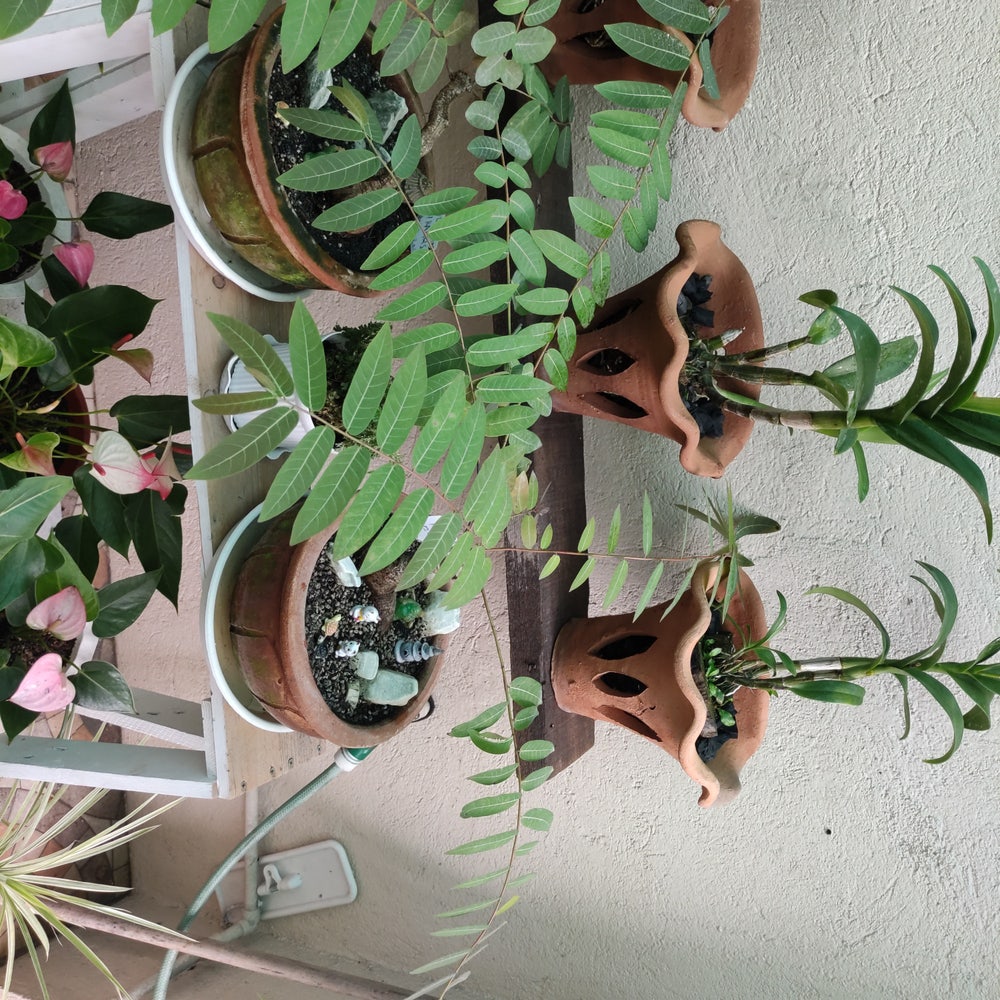
Really long branches. Has anyone dealt with really long branches on their Phyllanthus Mirabilis? One of mine has grown really long branches; one branch is 1 1/2 ft long amg the plant's branches spread around 2-3 feet around. The long branches look like normal growth and not the leggy kind. Should I just cut the branches off to the length I like?
-
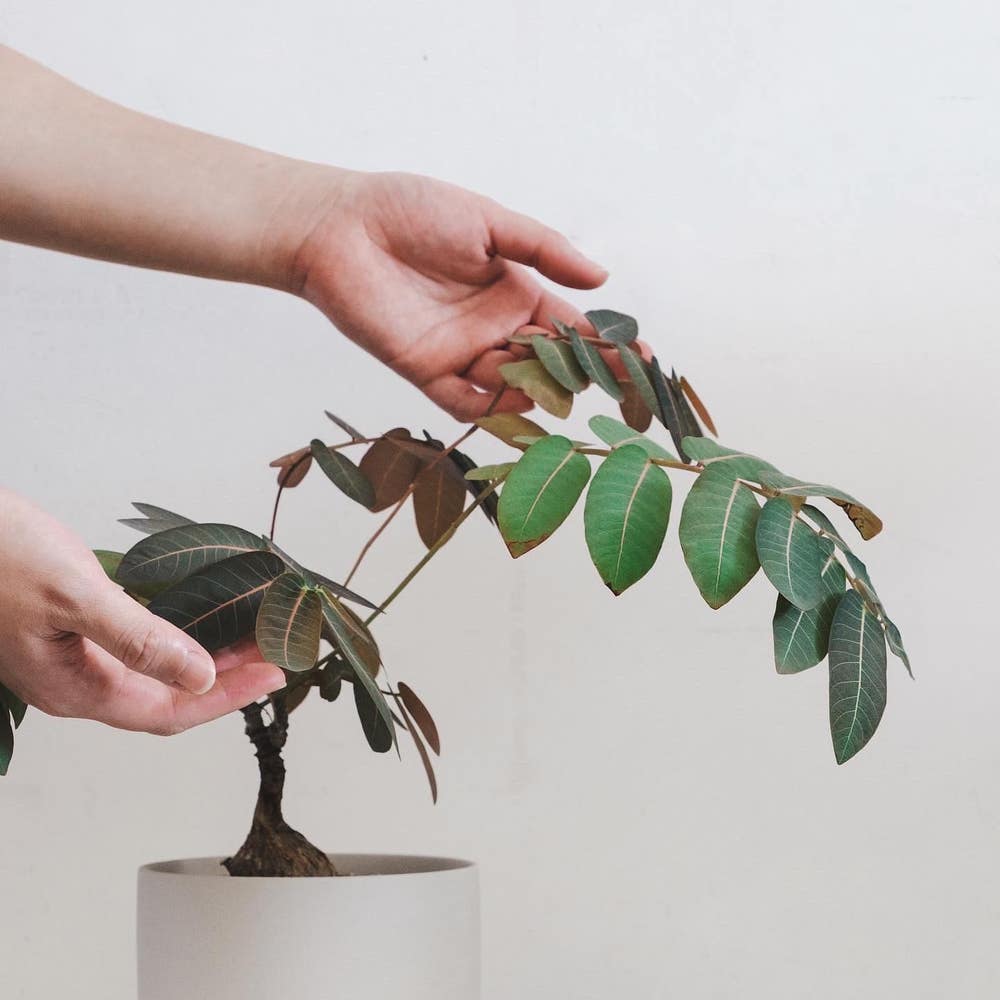
Caressing this beauty chonk before it closes in night time. #HappyPlants #PlantsMakePeopleHappy #PLANTMAFIA #Pots #Caudex
Care Summary for Phyllanthus tenuicaulis var. haitiensis
Phyllanthus tenuicaulis var. haitiensis
 Greg recommends:
 Water
Water
0.5 cups every 9 days
 Placement
< 3ft from a window
 Nutrients
Repot after 2x growth
Based on the 4” pot your plant is in, and that it doesn’t get direct sunlight.
 Trending in your area











 Similar to Phyllanthus tenuicaulis var. haitiensis
✨ Discover rare plants

Ceropegia simoneae

Tuber Fleeceflower

Hoya 'Millie'

Hoya sipitangensis

Chandelier Plant

Anthurium 'Fantasy Lo…

Philodendron eximium

Munstead Lavender

Royal Flush Split Rock
Linnaei Kunth

Crassula 'Purple Drag…

Ruby Ball

Electric Fern

Rainbow Echeveria

Bonsai Crassula

Milky Widow's Thrill
Philodendron 'Gabby'
