


obliqua peru
About obliqua peru
The nearly 50 species of plants in the Monstera genus all share some incredible traits, like being world class climbers! 🧗 These plants use aerial roots to grab onto trees as they grow up towards the sun. They've been known to grow more than 60ft/18m tall and many have holes (fenestrations) in the leaves that are believed to help sunlight pass through to lower leaves. The genus name Monstera comes from the Latin word for monstrous/abnormal and is thought to refer to these abnormal leaves!
Taxonomy

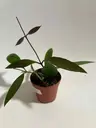
Monstera obliqua 'Peru'
Monstera
Araceae
Alismatales
Also known as
monstera peru

How to care for obliqua peru
How often to water your obliqua peru

every 9
obliqua peru needs 0.5 cups of water every 9 when it doesn’t get direct sunlight and is potted in a 5" pot.
Use our water calculator to personalize watering recommendations to your environment or download Greg for more advanced recommendations for all of your plants.

Water 0.5 cups every
9
Finding light for obliqua peru in your home

a window
obliqua peru may have difficulty thriving, and will drop leaves 🍃, without ample sunlight.
Place it less than 3 feet from a south-facing window to maximize the potential for growth.
Select your region to see how the current weather in your area affects the placement of obliqua peru in your home 🏡.
How to fertilize obliqua peru

Most potting soils come with ample nutrients which plants use to produce new growth.
By the time your plant has depleted the nutrients in its soil it’s likely grown enough to need a larger pot anyway.
To replenish this plant's nutrients, repot your obliqua peru after it doubles in size or once a year—whichever comes first.
-
What monstera species is this? So I am wondering what species of monstera I just bought. I know hundreds of people have at some point thought that they acquired an obliqua, only for basically all of them to be disappointed. I highly doubt it myself as well, but in some ways it kind of looks like one? Is there another monstera species that looks similar when they’re this young? #Monstera
-
I did what had to be done! I ended up just chopping her to bits and we will hope for the best. I’m letting them callous overnight just for good measure.jazelle is now 16 different plants. Well I guess for now nodes,and for some, a node with a leaf. If any of you have suggestions on propagating these leaves a comment! Thanks for the support #PropagationStation #Monstera #Dyingplant
-
Good morning☕️🌞 to #TheThread Its Humpday and im up way to early as usual😤 but atleast it gives me plenty of time for lots of coffee. I already tried to go out to the porch this morning for my first cup but the mosquitos attacked as soon as i sat down😱! So i retreated back to my recliner for this mornings post. AND DAMN IM ITCHY😡🤷♂️😂! They got me GOOD! That little rain we had mustve got them worked up cause theyre usually not out this early. I had a pretty easy day at work yesterday and i was home by 1. I didnt do much after i got home though except nap and sit! I thought about repotting my cutlass and squamaferium philo but didnt ever get that far lol. Oh well maybe after work today. Itch itch itch😤 scratch scratch😡! NO REALLY THEY DESTROYED MY ARMS😂! ..... more coffee pause😍..... ok im back with a FULL cup🙌. We had another awesome day of photos plant tips and great convo yesterday! There were a ton of great pics to browse through but i chose these perfect 5 for this mornings line up👍. Our first photo was shared by @PrizedShadscale from her parents yard full of beautiful flowers. Im not sure of what this is? But gregs calling it a red frangipani. Whatever it is, its AMAZING🤩! I just love that leaf pattern and those simple but elegant white and yellow flowers just draw your eyes in and ignite the imagination. @Sassylimey is on PEDUNCLE WATCH😱! She says her hoya sunrise has 9!!! COUNT EM! 9!! Peduncles on it currently and as she IMPATIENTLY 🤷♂️😂 waits for them to bloom😍. Maybe if you watch them theyll open faster🤔? Jk jk ! Our 3rd photo just had to be a pet photo with that cute face🥰. This was an accidental share by @SillyPlantGirl of her precious poochie so we didnt get a name for this wonderful girl. But i figured she wouldnt mibd me sharing it! Is it me or is she looking at the camera like " really mom? MORE PICTURES!" 🤷♂️😂 you just gotta love DOGS! Photo 4 came to use from @TidyTigerpear plant oasis. This painters pallet anthurium is just a showstopper with those monsterous leaves and bright red flowers😎 (not flowers). You know that beauty gets a prime spot in the windows at her house! And this gourgeous geranium growing @Prentyce house is our last photo for the day. I thought its perfectly HOT pink huge FLOWERS matched her personality so well it had to brighten your day as much as she does! Sadly thats the end of the show😤... BUT THERES MORE COFFEE😍! Have a great day and STAY SAFE🥰 #HappyPlants #PlantsMakePeopleHappy #PlantAddict #NewGrowth #GregPlantShop #GregGang #monstera #Hoya #HoyaHangout #AlocasiaAddicts
-
Not only does Jack the Monstera have a new leaf, he has his first aerial root! #PlantsMakePeopleHappy #NewGrowth #Monstera
-
My #monstera and #tiplant are going strong! My monstera had a new leaf coming in! It's starting to unfurl a little 💕 ❤️ 💗 💕 ❤️ My ti plant is about to flower, and I can't wait! 😍 I've had them for nearly a week, and I feel like I've had them for months! Lol. Hey @RJG, can you feature this on today's #freshfeaturedfriday because it's literally a #freshfeaturedfriday for my ti plant and #freshleaffriday for this monstera! #monsteramob #tiplant #newgrowth #plantaddict #plantlove #iloveplants #plantsmakepeoplehappy #happyplants
-
#thegreenshouse #HappyPlants #PlantsMakePeopleHappy #PlantAddict #NewGrowth #PropagationStation #SnakePlant #SnakePlantSquad #Sansevieria #SucculentLove #SucculentLove #PlantTherapy #floweringsnake #Sanserveriaflowering #PothosPack #Monstera #CalatheaCrew #Calathea #Hoya #HoyaHangout #HoyaHeads #PrayerPlant #Philodendron #VariegatedPinkLemon #ZamioculcasZamiifolia #ZzPlant #RavenZzPlant #Aglaonema #AlocasiaAddicts #Bonsai #Ficus #FiddleLeafFig #Anthurium #WhaleFinSnakePlant #ZeylanicaSnakePlant #WhitneySanserveria #SayuriSnakePlant #Cacti #AfricanMilkBush #dragonboneeuphorbia #VariegatedOpuntia , #PricklyPearCactusvariegated https:// I am a person who normally doesn’t try new sellers, but this one popped up in my Etsy (because you viewed section) and I did some research and looked at comments so I said why not…….I received such a beautiful shipment from #thegreenshouse yesterday……Richard (I assume he’s the owner) helped me pick out 3 basic plants. They arrived in perfect condition. My heart just 💕 swelled with joy. I posted his Etsy shop above. The blooming (smells like heaven) #sansevieriablackcoral has sooo many new babies and the pot is about to bust open from the new growth. #happywifehappylife
-
🥹🥹🥹 Baby’s first leaf #Monstera #MonsteraMob #MonsteraAlbo #NewGrowth #HappyPlants
-
hey everyone!! this is my first time propagating a plant & im wondering how do i know when it’s ready to plant? it’s grown 2 new roots. i change out the water weekly and i’ve had it for about a month and a half. #Monstera
-
Here is a "is this normal" question.... so I have had a Monstera Obliqua Peru for over a month now. It still only has one leaf, and it's kind of got a yellow-ish tint to it... I'm scared. Help, please. #Monstera
-
This new #monstera we are offering on our site brand new is SO BIG, it barely fit in the frame! I wanna show off more plants around our #plantproper farm. What do you wanna see?. #MonsteraMonday #HappyPlants #NewGrowth #PlantAddict #PlantCorner


Care Summary for obliqua peru

obliqua peru
 Greg recommends:
 Water
Water
0.5 cups every 9 days
 Placement
< 3ft from a window
 Nutrients
Repot after 2x growth
Based on the 4” pot your plant is in, and that it doesn’t get direct sunlight.
 Trending in your area












 Similar to obliqua peru





✨ Discover rare plants

Starfish Snake Plant

Rainbow Echeveria

Aglaonema 'Green Bowl'
Hoya 'Memoria'

Radiator Plant

Croton Nervia

Crassula 'Calico Kitt…

Lavandula Pedunculata

Scotch Moss

Chinese Evergreen 'Go…

Variegated Arrowhead …

Echeveria 'Joan Danie…

Tillandsia caerulea A…

Blue Moon Wisteria

Rhipsalis clavata

Haworthia emelyae com…

Vatricania guentheri
