
Hallasan Hydrangea
Taxonomy

Hydrangea serrata 'Hallasan'
Hydrangea
Hydrangeaceae
Cornales

How to care for Hallasan Hydrangea
How often to water your Hallasan Hydrangea

every 9
Hallasan Hydrangea needs 0.5 cups of water every 9 when it doesn’t get direct sunlight and is potted in a 5" pot.
Use our water calculator to personalize watering recommendations to your environment or download Greg for more advanced recommendations for all of your plants.
Water 0.5 cups every
9
Finding light for Hallasan Hydrangea in your home

a window
Hallasan Hydrangea love being close to bright, sunny windows 😎.
Place it less than 1ft from a south-facing window to maximize the potential for growth.
Hallasan Hydrangea does not tolerate low-light 🚫.
Select your region to see how the current weather in your area affects the placement of Hallasan Hydrangea in your home 🏡.
How to fertilize Hallasan Hydrangea

Most potting soils come with ample nutrients which plants use to produce new growth.
By the time your plant has depleted the nutrients in its soil it’s likely grown enough to need a larger pot anyway.
To replenish this plant's nutrients, repot your Hallasan Hydrangea after it doubles in size or once a year—whichever comes first.
-
My leaves all fell off , am I over or under watering ? #PanicleHydrangea
-
Droopy leaves? Soil still wet, gets direct sunlight only in the early morning.
-
I just planted this a few days ago and now it’s dropping anyone know what i did wrong #FrenchHydrangea
-
#FrenchHydrangea this was deemed as an “indoor houseplant“ when purchased and now the Hydrangea blooms are fading. Do I cut back to soil or will it likely not rebloom, similar to cut flowers? Anyone else out there have any success with keeping a hydrangea as an indoor arrangement?
-
What is wrong w my girllll 😭
-
Why are the flowers all drying up? Was given to me 16 days ago. #FrenchHydrangea
-
Why do I always kill hydrangeas???
-
Trying my hand ✋🏽 at #Hydrangea with my first #outdoorplants
-
I bought a hydrangea live plant online. When and how to plant it . This is my first time gardening #PanicleHydrangea
-
This plant almost dying how to save it


Care Summary for Hallasan Hydrangea
Hallasan Hydrangea
 Greg recommends:
 Water
Water
0.5 cups every 9 days
 Placement
< 1ft from a window
 Nutrients
Repot after 2x growth
Based on the 4” pot your plant is in, and that it doesn’t get direct sunlight.
 Trending in your area
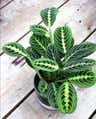
Green Prayer Plant

Ghost Plant

White Bird of Paradise

Painter's Palette

Venus Fly Trap

Small-Leaf Spiderwort
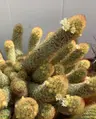
Lady Finger Cactus
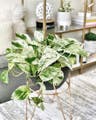
Marble Queen Pothos
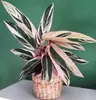
Triostar Stromanthe

Ficus Ginseng

Tradescantia Zebrina
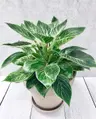
Philodendron Birkin
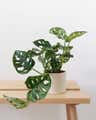
Swiss Cheese Vine
Boston Fern

Zebra Plant

Peace Lily

Bird's Nest Fern

Ponytail Palm
 Similar to Hallasan Hydrangea
✨ Discover rare plants

Orange Lipstick Plant

Echeveria Arrow
Carolina Reaper

Eden Climbing Rose

Blue Moon Wisteria
White Apple Moth Orch…
Linnaei Kunth

Echeveria 'Joan Danie…
Stanhopea tigrina

Cereus peruvianus 'Pa…

Ceropegia simoneae

Rhipsalis clavata

Hoya sipitangensis

Ruby Ball

Cleistocactus icosago…

Graptoveria 'Douglas …
