


Transvaal Daisy
Taxonomy

Gerbera L.
Gerbera
Asteraceae
Asterales

How to care for Transvaal Daisy
How often to water your Transvaal Daisy

every 9
Transvaal Daisy needs 0.5 cups of water every 9 when it doesn’t get direct sunlight and is potted in a 5" pot.
Use our water calculator to personalize watering recommendations to your environment or download Greg for more advanced recommendations for all of your plants.

Water 0.5 cups every
9
Finding light for Transvaal Daisy in your home

a window
Transvaal Daisy love being close to bright, sunny windows 😎.
Place it less than 1ft from a south-facing window to maximize the potential for growth.
Transvaal Daisy does not tolerate low-light 🚫.
Select your region to see how the current weather in your area affects the placement of Transvaal Daisy in your home 🏡.
How to fertilize Transvaal Daisy

Most potting soils come with ample nutrients which plants use to produce new growth.
By the time your plant has depleted the nutrients in its soil it’s likely grown enough to need a larger pot anyway.
To replenish this plant's nutrients, repot your Transvaal Daisy after it doubles in size or once a year—whichever comes first.
-
Hey, Greggers with balcony plants - any tips and tricks? I live in an apartment near the sea where it's regularly windy. When it's not windy, my south-facing balcony gets intense sun during the summer. My two concerns are: 1. How do I keep my plants hydrated? My gerbera and snap dragons need water every 2-3 days it seems and they're in the shade. I water them deeply so I'm guessing I may need to repot them with a moisture-retaining potting material. Recommendations? Or maybe also use self-watering pots or ollas? 2. How can I protect my sun-loving plants on the hotter days? I can't always be home to move them into a shadier spot. Any other things to consider for balcony plant care? TIA, #greggang! #summer #wind #islandlife #balconyplants #Gerbera #snapdragons #geraniums #basil #oregano #thyme #lavender #pineapplesage #herbs #aeonium #plantsmakepeoplehappy #plantfriendsarethebestfriends #greggerssupportinggreggers #ballondusoleil
-
Need help! I’ve noticed these white spots and I’m not sure what they are, but they are spreading. Thanks in advance! #Gerbera
-
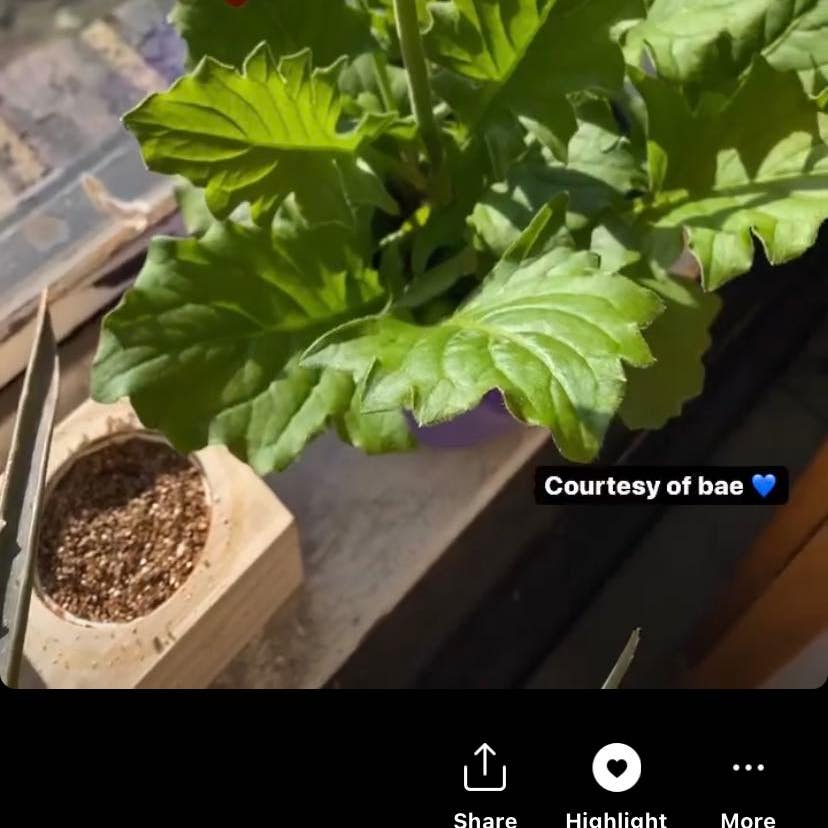
Busy day today! I also potted up my newest Swedish ivy cuttings! After 3 days of gloomy weather, one day of rain ☔️, I was happy to see a little sunshine today 🌞! I also noticed my Gerbera had new flowers! #HappyPlants #PlantsMakePeopleHappy #PlantAddict #NewGrowth #PropagationStation #SwedishIvy #CreepingCharlie #Gerbera
-
Poor baby needs some help 😭 This gerbera. She was so lovely last August. Now she’s clinging onto life 😭 We’ve recently moved house and so I’m still figuring out the best placement for my plants light wise, so I’m not sure if this is a result of this. As you can see from the pics, she ain’t doing too well. I stick to a regular water schedule through Greg (though in the old house I ended up watering her more often), though occasionally my mum will water her just because, so overwatering may be a bit of an issue. I’ve not seen these colourings on any of my plants before, any ideas? #Gerbera #PlantsMakePeopleHappy #PlantAddict #PlantTherapy #PlantCorner
-
I just got these plants two days ago and watered them and they all look like this. Is it just that I over watered them? #Gerbera
-
does anyone know what is wrong with this plant? it started with just yellowing leaves but turned into diseased looking… #Gerbera
-
Got this Gerbera Daisy 2 days ago from the nursery, what’s going on???? Help please 😭 #Gerbera
-
It does not flower anymore. When I bought it there was 2 and have had none since. Any ideas? Thanks! #Gerbera
-
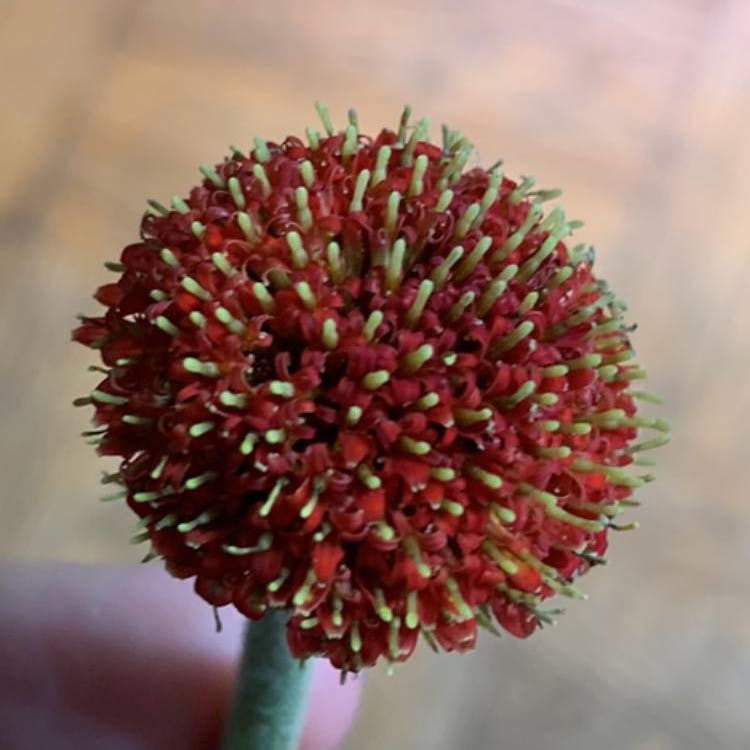
This grew instead of a daisy in my gerbera! What is this? #Gerbera
-
Is my plant dead? Is there any hope? That’s how she used to look 😕and this is her now #Gerbera


Care Summary for Transvaal Daisy

Transvaal Daisy
 Greg recommends:
 Water
Water
0.5 cups every 9 days
 Placement
< 1ft from a window
 Nutrients
Repot after 2x growth
Based on the 4” pot your plant is in, and that it doesn’t get direct sunlight.
 Trending in your area

Bird's Nest Fern

Heart of Jesus

Venus Fly Trap

Polka Dot Begonia
Cornstalk Dracaena
Pinstripe Calathea

Cylindrical Snake Pla…
Nerve Plant

Emerald Ripple Pepero…
Golden Torch

Lucky Bamboo

Elephant Bush

Philodendron Brasil
Green Prayer Plant

Purple Heart
Polka Dot Plant

Split Leaf Philodendr…

Dieffenbachia
 Similar to Transvaal Daisy
✨ Discover rare plants

Cleistocactus icosago…

Aeonium 'Blushing Bea…
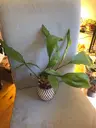
Stanhopea tigrina
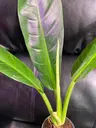
Linnaei Kunth

Cereus peruvianus 'Pa…
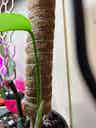
Skeleton Key Pothos

Fagraea ceilanica

Hoya 'Millie'

Orange Lipstick Plant

Philodendron eximium

Aloe 'Lavender Star'

Bonsai Crassula

Aglaonema 'Green Bowl'

Hoya sipitangensis
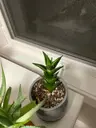
Astroloba congesta

Lavandula Pedunculata

Caladium
