
Dischidia antennifera
Taxonomy

Dischidia antennifera
Dischidia
Apocynaceae
Gentianales

How to care for Dischidia antennifera
How often to water your Dischidia antennifera

every 9
Dischidia antennifera needs 0.5 cups of water every 9 when it doesn’t get direct sunlight and is potted in a 5" pot.
Use our water calculator to personalize watering recommendations to your environment or download Greg for more advanced recommendations for all of your plants.
Water 0.5 cups every
9
Finding light for Dischidia antennifera in your home

a window
Dischidia antennifera love being close to bright, sunny windows 😎.
Place it less than 1ft from a south-facing window to maximize the potential for growth.
Dischidia antennifera does not tolerate low-light 🚫.
Select your region to see how the current weather in your area affects the placement of Dischidia antennifera in your home 🏡.
How to fertilize Dischidia antennifera

Most potting soils come with ample nutrients which plants use to produce new growth.
By the time your plant has depleted the nutrients in its soil it’s likely grown enough to need a larger pot anyway.
To replenish this plant's nutrients, repot your Dischidia antennifera after it doubles in size or once a year—whichever comes first.
-
Get it in good health? I just picked this Dischidia Apple up. I haven't owned a plant in a good few years. What's the first thing I should do? Repot? Clean its leaves? It was in the throwaway bin, but it spoke to me when I walked by.
-
Leaves turning pale and yellow?? the leaves of my string of nickels are turning pale to yellow and spots of no leaf “flesh” are appearing in the middle of some leaves. pls help!!!
-
Help with #Jade This jade is a couple years old. I moved it from a SE windowsill to a north facing windowsill about a month ago because it was getting burnt. It looked great a few days after the move but now its getting these brown spots on the leaves. Last watered this AM and last fertilized a week or so ago. Hasn't been reported in St least a year. What can I do to get it back to full health and make sure it doesn't get more brown spots? #HappyPlants #SucculentSquad #Indoorplants
-
I have had this plant cutting for over a year and it really only ever rooted. In the last few months I moved it near a humidifier and it started to grow, as in produce new foliage. Then, today I noticed the tiniest flowers! They are so tiny yet so fragrant! #MillionHearts #DischidiaRuscifolia #TinyLeafPlants #TinyFlowers #itrunsinthefamily #PlantsMakePeopleHappy #PlantAddict #NewGrowth #PropagationStation #PLANTMAFIA
-
How to revive this dischidia watermelon I've been struggling with this baby since I adopted her about a month ago, lost nearly all leaves many had turned yellow. I've increased lighting and tried stabilizing watering and fertilizing. I can't find yellow leaves and it seems to be doing better with a grow light but I can still see these dried and brown stems. Anything else I can do? #WatermelonDischidia
-
why are some of my million hearts’ leaves yellow? its been doing this for awhile but idk why. please lmk what to do or what the problem could be! #MillionHearts #Dischidia #PlantAddict #NewPlantMom
-
Does anybody know what this is? It's been spreading for a while now and i keep cutting it back but keeps growing. Last week i soaked the leaves in soapy water to try and treat it but not sure what it is and what i can do #StringOfNickels
-
Any tips for newbies caring for my million hearts? #MillionHeartsDischidia
-
New Plant Post! 💚 Today I went to a local nursery, and they had an impressive selection of house plants! I've been wanting a string plant & feel I found the perfect one. Everyone welcome MILLY to the family! Tips & advice how to care for this beauty is appreciated! Blessings ☀️🍀💖 #NewPlantMom #NewPlants #Dischidia #advice #NewYork
-
New to app Hi Greg community! I am brand new to the app, but not to plants. Before I deep dive and add all my plants to this app, I have a question about the watering. No matter what size container or when I watered last, all the plants I have added so far have an upcoming watering “in five days.” I am wondering if that will adjust based on the plant needs or is it a generic once a week water requirement. I am still searching for a plant app that works for me. I love the community part of this app but I also like to have each plant requirements listed. Tell me what you love about Greg that makes it better than other apps. I added a picture of my daughter’s Watermelon plant Flora that I keep teasing her I am going to steal. I have my own but hers is gorgeous. Pic just for interest. Thanks!


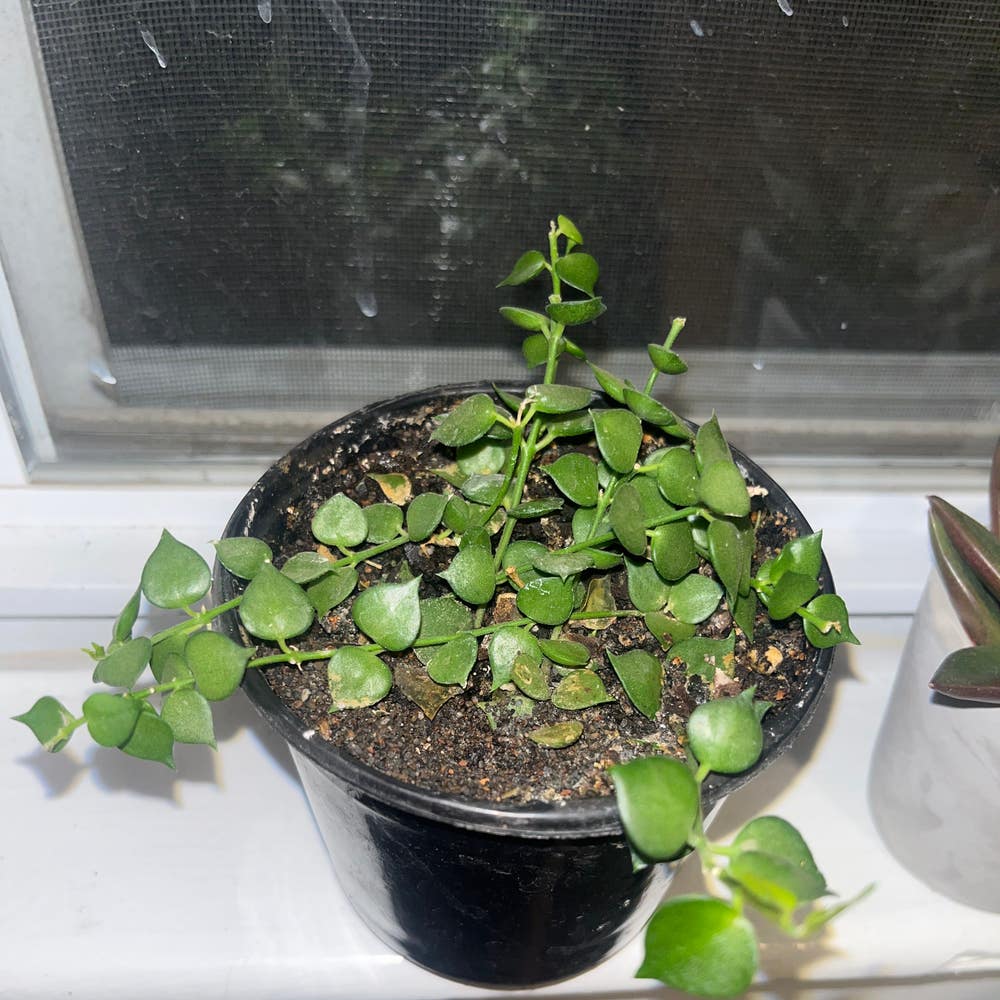
Care Summary for Dischidia antennifera
Dischidia antennifera
 Greg recommends:
 Water
Water
0.5 cups every 9 days
 Placement
< 1ft from a window
 Nutrients
Repot after 2x growth
Based on the 4” pot your plant is in, and that it doesn’t get direct sunlight.
 Trending in your area













 Similar to Dischidia antennifera

✨ Discover rare plants

Milky Widow's Thrill

Rainbow Echeveria

Hoya sipitangensis

Tillandsia caerulea A…

Variegated Arrowhead …

Aeonium 'Blushing Bea…
Hoya crassipetiolata

Munstead Lavender

Begonia lubbersii
Rosularia platyphylla

Chandelier Plant

Echeveria Esther

Treasure Flower
Skeleton Key Pothos

Lavandula Pedunculata

Ceropegia simoneae
