


Amaranthus Hybridus
Also known as
Amaranth Pigweed, Amaranth Pigweed, Slim amaranth, Green amaranth, Smooth amaranth, Smooth pigweed and Red amaranth
Taxonomy

Amaranthus hybridus
Amaranthus
Amaranthaceae
Caryophyllales

How to care for Amaranthus Hybridus
How often to water your Amaranthus Hybridus

every 9
Amaranthus Hybridus needs 0.5 cups of water every 9 when it doesn’t get direct sunlight and is potted in a 5" pot.
Use our water calculator to personalize watering recommendations to your environment or download Greg for more advanced recommendations for all of your plants.

Water 0.5 cups every
9
Finding light for Amaranth Pigweed in your home

a window
Amaranthus Hybridus love being close to bright, sunny windows 😎.
Place it less than 1ft from a south-facing window to maximize the potential for growth.
Amaranthus Hybridus does not tolerate low-light 🚫.
Select your region to see how the current weather in your area affects the placement of Amaranthus Hybridus in your home 🏡.
How to fertilize Amaranthus Hybridus

Most potting soils come with ample nutrients which plants use to produce new growth.
By the time your plant has depleted the nutrients in its soil it’s likely grown enough to need a larger pot anyway.
To replenish this plant's nutrients, repot your Amaranthus Hybridus after it doubles in size or once a year—whichever comes first.
-
MANGOSTEEN TREE INCOMING IN DUBAI, UAE I got some mangosteen and planted 3 seeds in soil, two of them sprouted in one week via heat and straight from fruit to soil. And both that sprouted sprouted 2 plants. Now I have 4 to 5 mangosteen plants they are doing well. The only other place i saw one was inside a 5 star hotel in Sharjah, UAE. Now I have a exotic fruit tree that produces fruits 100 dollars in USA per kilo and only 18 people have it in the Greg community
-
The leaves are smaller, with white spots and holes and wondering what's wrong... can anyone help? #AmaranthPigweed
-
Don’t Call It A Comeback…? About 2 yrs ago, I planted red amaranth in the front yard. Not realizing how high maintenance it was, the little guys only bloomed once before their sunstroke. 😟🫠😳 About a week ago, I saw a new weed growing in many areas of the backyard. 😯 It had a cherry colored stem, and bushy long flower stalks . I checked its identity, and it’s Amaranth! If it’s from the same “breed” (?), those leaves and flower stalks will eventually turn red. 🤗❣️ #AmaranthPigweed #PlantsMakePeopleHappy #PlantTherapy #NewGrowth #NewPlants
-
My Amaranth came up in a pot without my help. Does it flower? #AmaranthPigweed
-
Does anyone know how to find and identify my Brazilian spinach? Closest i got is red spinach. #RedSpinach
-
Um. What? Alright. I got this poinsettia as one of those kits with the seeds and soil and fertilizer this winter. I've never had luck, but after picking which plant would be the strongest, here I am. Photos below are May 15 and yesterday. What is this? What's happening? Is it happy? I'm so confused 🥴 #Euphorbia #poinsettia #happyplants #confusedplants 🌱 #NewEnglandGregGang 🌱 #MaineGang 🌱 #ThePlantMompy

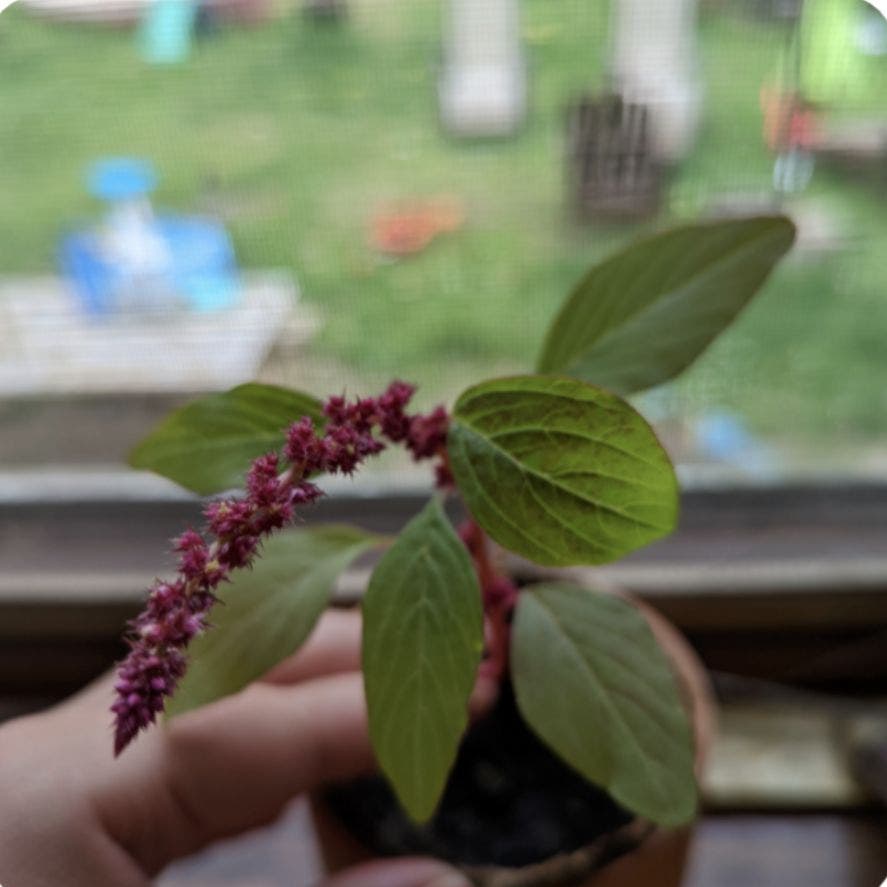
Care Summary for Amaranthus Hybridus

Amaranthus Hybridus
 Greg recommends:
 Water
Water
0.5 cups every 9 days
 Placement
< 1ft from a window
 Nutrients
Repot after 2x growth
Based on the 4” pot your plant is in, and that it doesn’t get direct sunlight.
 Trending in your area

Burro's Tail

Florist Kalanchoe

Pincushion Peperomia

Peace Lily

Zebra Plant
Cornstalk Dracaena

Rex Begonia
Rubber Plant

Arabian Coffee Plant

Painter's Palette
Dieffenbachia

Golden Barrel Cactus
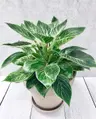
Philodendron Birkin

Blushing Bride Air Pl…

Rose Calathea
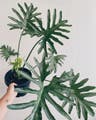
Split Leaf Philodendr…
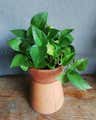
Jade Pothos

Rattlesnake Plant
 Similar to Amaranthus Hybridus


✨ Discover rare plants

Aglaonema 'Green Bowl'

Aloe 'Lavender Star'

Echeveria Arrow

Eden Climbing Rose

Hoya sipitangensis

Crassula 'Purple Drag…

Parrot Pitcher Plant

Royal Flush Split Rock

Tillandsia caerulea A…

Aglaonema Spitfire
Chinese Evergreen 'Ga…

Betel

Chinese Evergreen 'Go…

Echeveria Esther

Scindapsus pictus 'Si…

Cleistocactus icosago…

Sedum 'White Diamond'
