How Do I Cure Pink Bell Heather Root Rot?
Erica gracilis
By the Greg Editorial Team
Apr 14, 2024•3 min read
This article was created with the help of AI so we can cover more plants for you. May contain errors. See one? Report it here.
Rescue your Pink Bell Heather from root rot and ensure its future health with expert tips! 🌿🚑
- Yellow leaves and foul odor signal Pink Bell Heather root rot.
- Prune and dry soil to immediately address root rot.
- Prevent with proper watering, drainage, and light to deter future issues.
Spotting the Red Flags: Symptoms of Root Rot in Pink Bell Heather
🚩 Visual Symptoms
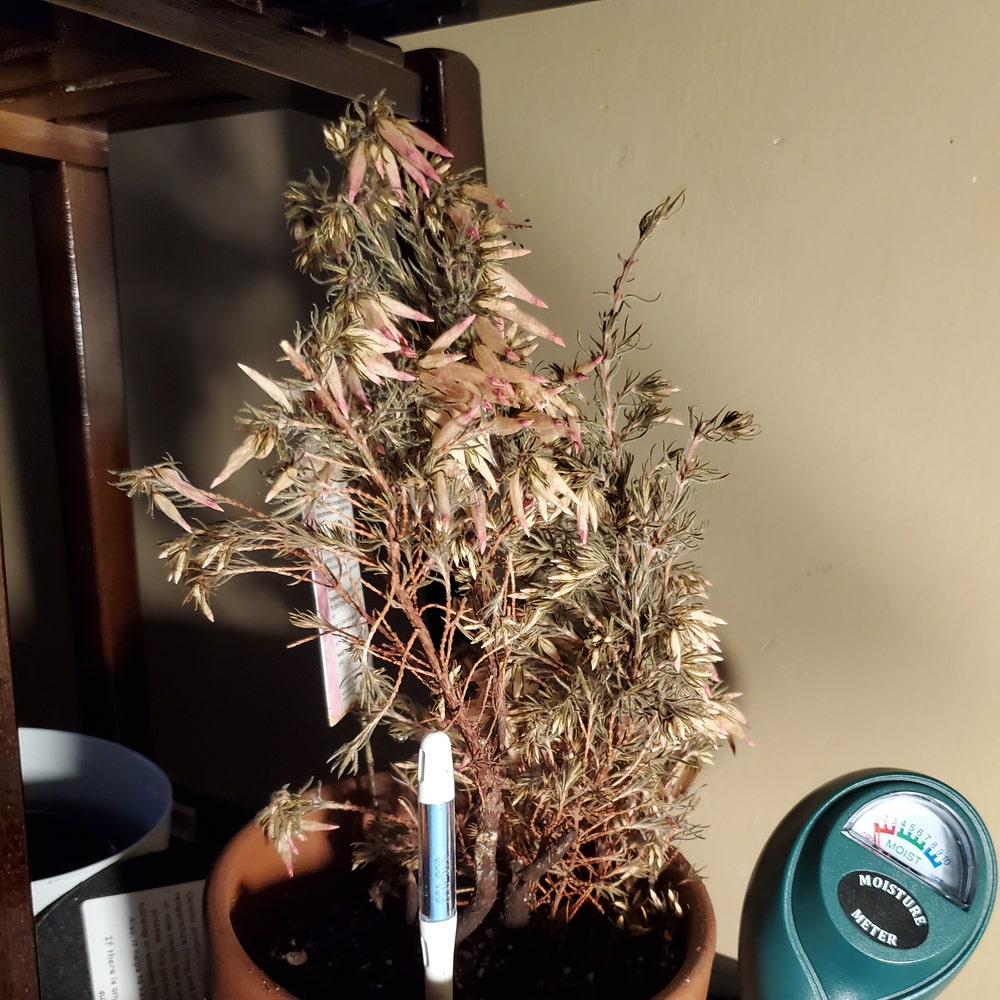
Yellowing leaves on your Pink Bell Heather are like the plant's version of a white flag. Wilting is another telltale sign that screams "I'm not okay!" These visual cues are your first hint that root rot might be the culprit behind your plant's distress.
👃 Sensory Clues
Trust your nose and hands here. A foul odor from the soil is your plant's equivalent of a distress flare. If the roots feel more like overcooked noodles than firm, healthy plant parts, it's a clear sign that rot has set in. Healthy roots should be resilient, not disintegrate upon touch.
First Aid for Your Pink Bell Heather: Immediate Treatment Steps
🌿 Pruning for Plant Health
Pruning is critical when root rot threatens your Pink Bell Heather. Sterilize your shears with alcohol or a bleach solution to avoid spreading disease. Carefully remove the plant from its pot and inspect the roots. Snip off any mushy, discolored roots, but spare the healthy white ones. Balance is key—trim the foliage to match the loss of roots.
💧 Soil and Water Overhaul
Overhauling your watering routine is non-negotiable. Stop watering immediately and let the soil dry out. For future prevention, mix in materials like perlite to improve drainage. When you water, do it judiciously—think of it as giving your plant a stiff drink rather than a lingering soak.
🍄 Fungal Foes: Choosing Your Weapons
Fungus is the silent assassin of the plant world. Select a fungicide that's effective yet gentle on your heather. Apply it according to the instructions, with the precision of a sniper taking a shot. Post-treatment, keep an eye on your plant like a hawk to ensure the fungus doesn't stage a comeback.
Building a Strong Defense: Preventing Future Root Rot
💧 Watering Wisdom
Mastering the art of watering is your first line of defense against root rot in Pink Bell Heather. It's about getting to know your plant's hydration needs like the back of your hand. Check the top inch of soil; if it's dry, it's time to water. If not, your plant's not thirsty—so don't reach for that watering can.
🌱 The Right Home: Soil and Pot Selection
Choosing the right soil mix is like setting up a trust fund for your plant's future—it's that important. Go for a blend that's the plant equivalent of a breathable cotton tee: light, airy, and moisture-wicking. Think perlite, coarse sand, and pine bark fines. And when it comes to pots, ensure they have drainage holes. Terra cotta pots are the MVP here, with their porous nature letting soil breathe and preventing water from overstaying its welcome.
Creating the Ideal Recovery Environment
🌡️ Temperature and Humidity Harmony
Temperature stability is crucial for Pink Bell Heather recovery. Maintain a consistent range of 65-75°F to avoid stressing the plant. Use a thermometer to monitor the environment, ensuring it remains within this ideal zone.
Humidity levels should be kept between 40-60%. This balance prevents the growth of root rot-inducing fungi. A hygrometer can help track humidity, and adjustments can be made with humidifiers or dehumidifiers as necessary.
💨 Airflow and Light: The Balancing Act
Proper air circulation is key in preventing fungal diseases. Ensure your Pink Bell Heather is in a space where air can move freely, but avoid placing it in direct drafts which can lead to temperature fluctuations.
Light exposure should be bright but indirect. Too much light can stress the plant, while too little can weaken it. Rotate the plant periodically to ensure even light distribution and to prevent leaning.
⚠️ Safety First
This content is for general information and may contain errors, omissions, or outdated details. It is not medical, veterinary advice, or an endorsement of therapeutic claims.
Always consult a qualified healthcare professional before using any plant as food, medicine, or supplement.
Never eat any plant (or feed one to pets) without confirming its identity with at least two trusted sources.
If you suspect poisoning, call Poison Control (800) 222-1222, the Pet Poison Helpline (800) 213-6680, or your local emergency service immediately.
Spotted an error? Please report it here.
Prevent Pink Bell Heather root rot by spotting early signs and improving soil drainage, and let Greg's custom watering plans 💧 ensure your plants stay healthy and thrive.