Pink Bell Heather Fertilizer: How and When to Use It
Erica gracilis
By the Greg Editorial Team
Apr 14, 2024•4 min read
This article was created with the help of AI so we can cover more plants for you. May contain errors. See one? Report it here.
Nurture vibrant Pink Bell Heather blooms 🌸 by mastering the art of acidic fertilization and perfect timing. ⏰
- Acidic soil pH (4.5-6.0) is crucial for Pink Bell Heather.
- Fertilize early spring, then monthly during the growing season.
- Spot over-fertilization signs to prevent damage.
Choosing the Right Fertilizer for Pink Bell Heather
💧 Acidic Fertilizers and Soil pH
Pink Bell Heather adores acidic soil. The right pH, between 4.5 and 6.0, is non-negotiable for unlocking nutrient uptake. Choose a fertilizer that's high in nitrogen, phosphorus, and potassium to encourage lush foliage, strong roots, and vibrant blooms. Organic options enrich the soil ecosystem, while synthetics offer a quick nutrient boost. Remember, balance is key.
🕰️ Slow-Release vs. Liquid Fertilizers
Slow-release granules are a low-maintenance choice, gradually nourishing your heather. They're unpredictable in dissolution rates, but they foster long-term soil health. Liquid fertilizers, meanwhile, provide an instant nutrient hit, perfect for a quick pick-me-up. Use them sparingly to avoid overindulgence and potential root harm. For Pink Bell Heather, it's about finding the sweet spot between immediate results and sustained growth.
Timing is Everything: When to Fertilize
🌱 Seasonal Fertilization Schedule
Spring is crunch time for Pink Bell Heather fertilization. As winter's chill fades, watch for the first signs of green. This is your cue to fertilize, giving your Heather the nutrients it needs to burst into growth and bloom. Early spring is prime time, but don't stop there. Continue with a monthly schedule during the growing season to sustain those vibrant blooms.
Growth Stage Considerations
Adjust frequency based on your Pink Bell Heather's life cycle. Seedlings are like infants; they need gentle care. Start with a light hand on fertilization to encourage strong roots. As the plant matures, it's ready for more. Prior to and during the blooming season, switch to a fertilizer higher in phosphorus to promote those sought-after flowers. Always be ready to dial back if you see signs of stress, like leaf burn or salt buildup.
Fertilizing Pink Bell Heather Like a Pro
💡 Step-by-Step Fertilization Guide
Uniform distribution is your mantra when it comes to feeding Pink Bell Heather. Here's how to avoid nutrient overkill:
- Test your soil to confirm its acidity level; Pink Bell Heather craves a pH that leans toward acidic.
- Don gloves and a mask—safety first—then measure out the fertilizer. Less is more, so consider using slightly less than the package recommends.
- Apply the fertilizer to the soil around the plant, not directly on it, to prevent root burn.
- Gently work the fertilizer into the soil, ensuring even distribution without assaulting the plant.
- Water the plant post-application to help the soil absorb the nutrients, but don't drown it.
Remember, after the last bloom wilts, it's time for a post-bloom nutrient boost to set the stage for next year's spectacle.
💡 Tailoring Fertilizer Amounts
Adjusting fertilizer quantities is like tuning an instrument—get it just right for the perfect performance:
- For younger plants or those in a smaller pot, dial back the fertilizer amount. They're like kids at a buffet, they don't need as much.
- As your Pink Bell Heather grows, so does its appetite. Increase the fertilizer incrementally, in line with the plant's size and development stage.
- During the blooming phase, be conservative with fertilizer to avoid overwhelming the plant when it's putting on its show.
Always follow the manufacturer's instructions for the best results, and don't let enthusiasm turn into overfeeding.
Avoiding and Addressing Over-Fertilization
🚫 Spotting the Signs of Too Much Love
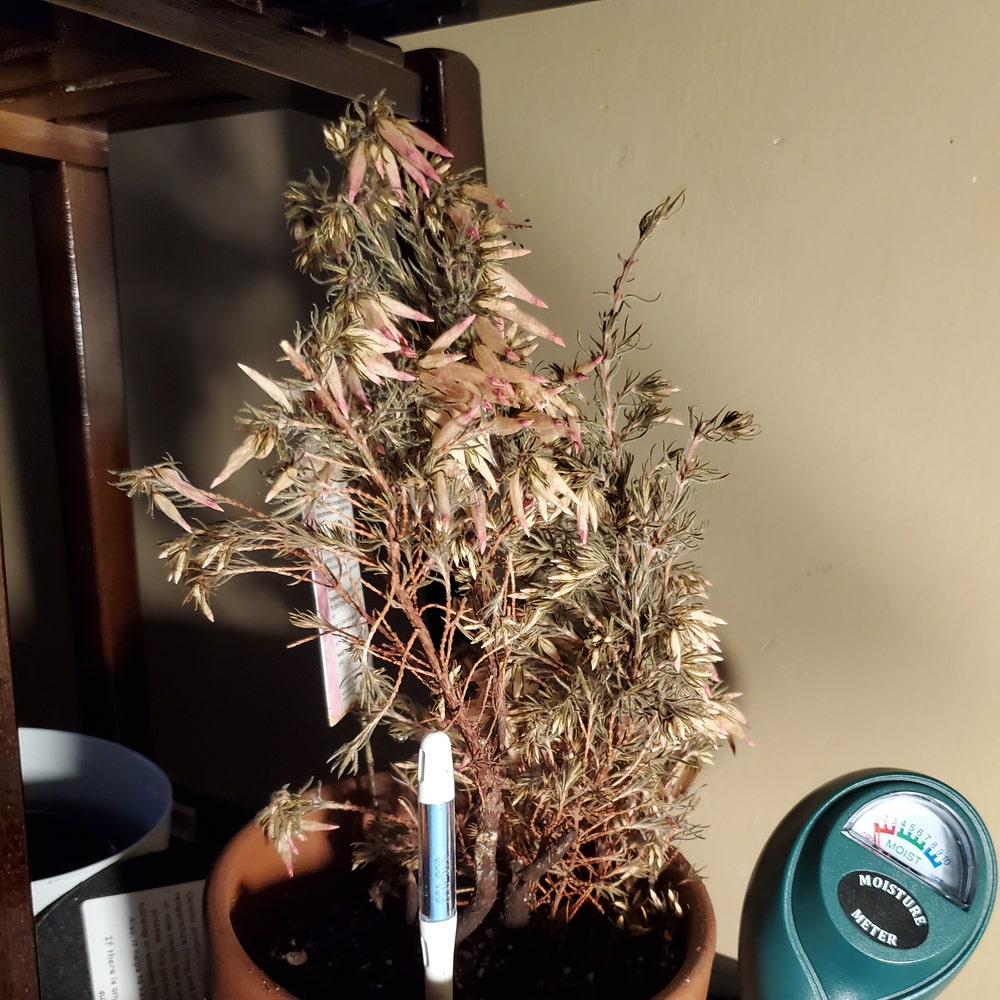
Pink Bell Heather is a resilient plant, but over-fertilization can push it to the brink. Look out for yellowing leaves or a crusty buildup of salts on the soil's surface—these are distress signals. Browning leaf tips and stunted growth are further evidence that your plant is in a nutrient chokehold. And if the blooms are as scarce as a snowman in July, you've likely gone overboard with the fertilizer.
🛠 Quick Fixes for Fertilizer Faux Pas
Caught in the act of over-fertilizing? Time to switch to damage control. Remove any visible fertilizer from the soil's surface pronto. Then, commence the flushing—drench the soil with water to wash away excess nutrients, repeating every few days if necessary. Prune the damaged foliage; it's not making a comeback. For potted plants, a soil swap might be the best move, or at least replace the top layer. And then, give the fertilizer a rest for a month. Your plant needs some space to recover from this nutrient overdose. Remember, in plant care, sometimes less is definitely more.
⚠️ Safety First
This content is for general information and may contain errors, omissions, or outdated details. It is not medical, veterinary advice, or an endorsement of therapeutic claims.
Always consult a qualified healthcare professional before using any plant as food, medicine, or supplement.
Never eat any plant (or feed one to pets) without confirming its identity with at least two trusted sources.
If you suspect poisoning, call Poison Control (800) 222-1222, the Pet Poison Helpline (800) 213-6680, or your local emergency service immediately.
Spotted an error? Please report it here.
Achieve vibrant blooms 🌸 effortlessly by letting Greg monitor your Pink Bell Heather's needs, avoiding over-fertilization and ensuring a perfect pH paradise.