Why Are My Pink Bell Heather Leaves Mushy?
Erica gracilis
By the Greg Editorial Team
Apr 14, 2024•3 min read
This article was created with the help of AI so we can cover more plants for you. May contain errors. See one? Report it here.
Prevent mushy mayhem 🍂 in your Pink Bell Heather with our life-saving plant care secrets!
- Overwatering and poor drainage lead to mushy Pink Bell Heather leaves.
- Root rot and fungal issues are common culprits behind the mushiness.
- Adjust watering, improve soil, and ensure airflow to prevent problems.
Spotting Trouble: Identifying Mushy Leaves in Pink Bell Heather
🍅 Visual Clues: What Mushy Leaves Look Like
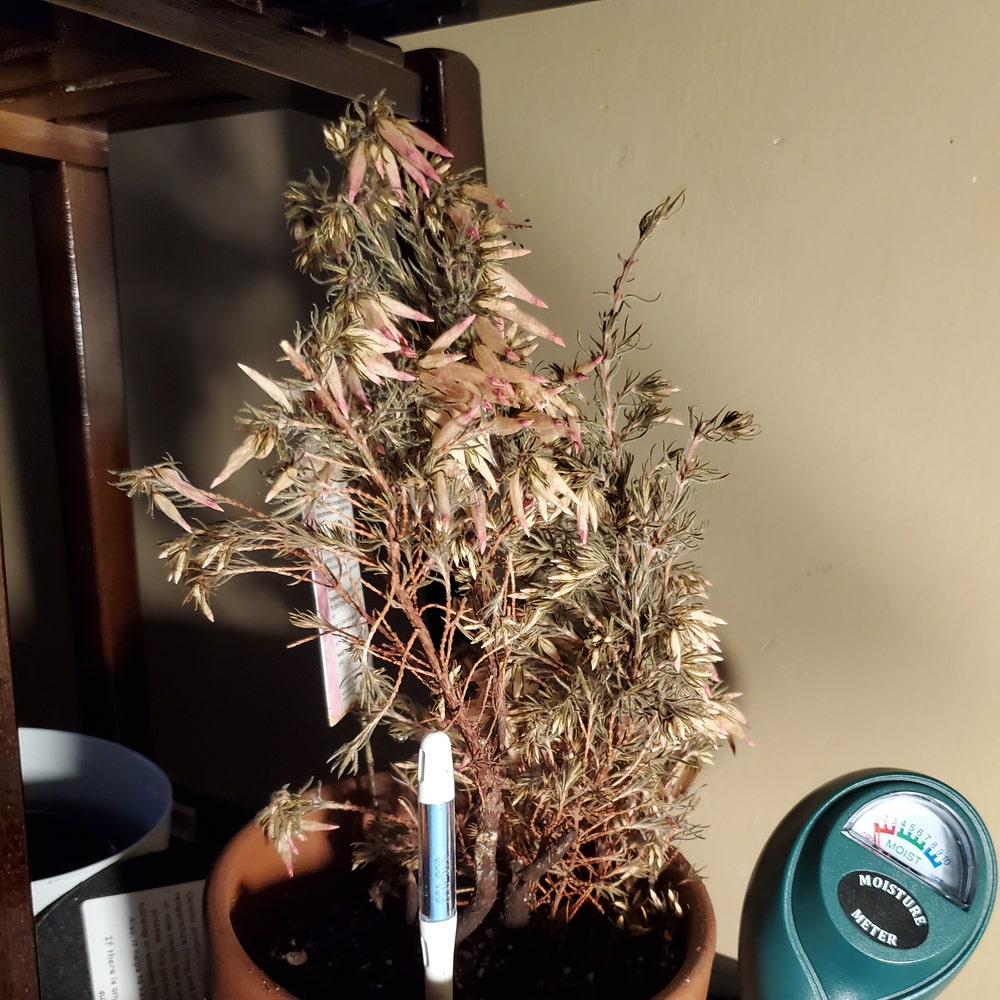
When your Pink Bell Heather starts to resemble a forgotten salad, it's time to take action. Discoloration is the distress signal you can't miss. Leaves that are turning yellow, brown, or a lifeless green are your visual cues to a problem. They might feel like a squashed tomato, which is never a good sign for a plant that should be perky and firm to the touch.
🕵️ Root Check-Up: Unearthing the Hidden Problems
Dig a little deeper and you might find the unseen culprit: root rot. Healthy roots are the Arnold Schwarzeneggers of the plant world—strong and vigorous. If they're more like overcooked noodles, you've got a serious issue. Remember, roots should be as firm and white as a fresh stick of mozzarella, not brown and mushy like the avocado you forgot at the back of your fridge.
The Usual Suspects: Common Causes of Mushiness
💧 Too Much Love: The Perils of Overwatering
Overwatering is the silent smotherer of Pink Bell Heather. Leaves turn to the consistency of overcooked noodles, and the soil feels more like a swamp than a nurturing ground. A pot that's unexpectedly heavy is a red flag. Brown or black roots, instead of healthy white, coupled with a stench of decay, scream overwatering.
🚰 Under the Surface: The Impact of Poor Drainage
Poor drainage creates a hostile environment for roots, akin to a mini swamp. If your pot is as sealed as a Tupperware, it's a sign to intervene. Roots suffocate in waterlogged conditions, leading to mushy leaves. Ensure your pot has adequate drainage holes and that they're not blocked by compacted soil.
🍄 Unwanted Guests: Recognizing Fungal Culprits
Fungi are the uninvited guests thriving in wet, stagnant conditions. Brown spots or a defeated look on your plant are signs of fungal invasion. Moldy soil or roots that look like they've been feasting at a fungal buffet require immediate action. Remember, boosting airflow can prevent these parties from starting.
First Aid for Your Heather: Treating Mushy Leaves
💧 Water Wisely: Fine-Tuning Your Watering Routine
Before you give your Pink Bell Heather a drink, test the soil. A simple finger probe or a moisture meter can save you from overzealous watering. Remember, during the cooler months, your plant's thirst decreases significantly.
🌱 Soil Surgery: Improving Drainage with Amendments
If your heather's roots are swimming rather than sitting, it's time for some soil surgery. Mix in perlite or coarse sand to grant your soil the gift of drainage. Consider a pot with more holes than a Swiss cheese to ensure water doesn't get too comfy at the bottom.
🍄 Fungus Among Us: When to Use Fungicides
When fungi decide to crash your plant party, show them the door with a copper-based fungicide. But don't go all Rambo with it—apply as directed, no more, no less. And hey, if you're into the DIY scene, vinegar sprays might just be your jam. Keep the air moving around your heather to discourage any fungal freeloaders from settling in.
Section
⚠️ Safety First
This content is for general information and may contain errors, omissions, or outdated details. It is not medical, veterinary advice, or an endorsement of therapeutic claims.
Always consult a qualified healthcare professional before using any plant as food, medicine, or supplement.
Never eat any plant (or feed one to pets) without confirming its identity with at least two trusted sources.
If you suspect poisoning, call Poison Control (800) 222-1222, the Pet Poison Helpline (800) 213-6680, or your local emergency service immediately.
Spotted an error? Please report it here.
Prevent mushy leaves on your Pink Bell Heather 🌿 by letting Greg tailor your watering routine to combat overwatering and root rot.