Why Are My Pink Bell Heather Leaves Curling?
Erica gracilis
By the Greg Editorial Team
Apr 14, 2024•3 min read
This article was created with the help of AI so we can cover more plants for you. May contain errors. See one? Report it here.
Unravel the mystery 🕵️♂️ behind your Pink Bell Heather's curling leaves and revive its vibrant allure!
- Leaf curling signals distress in Pink Bell Heather, often with discoloration.
- Overwatering and underwatering both lead to curling—check soil moisture.
- Create an ideal microclimate with proper light, temperature, and air circulation.
Spotting the Signs of Trouble
🍃 Recognizing Leaf Curling
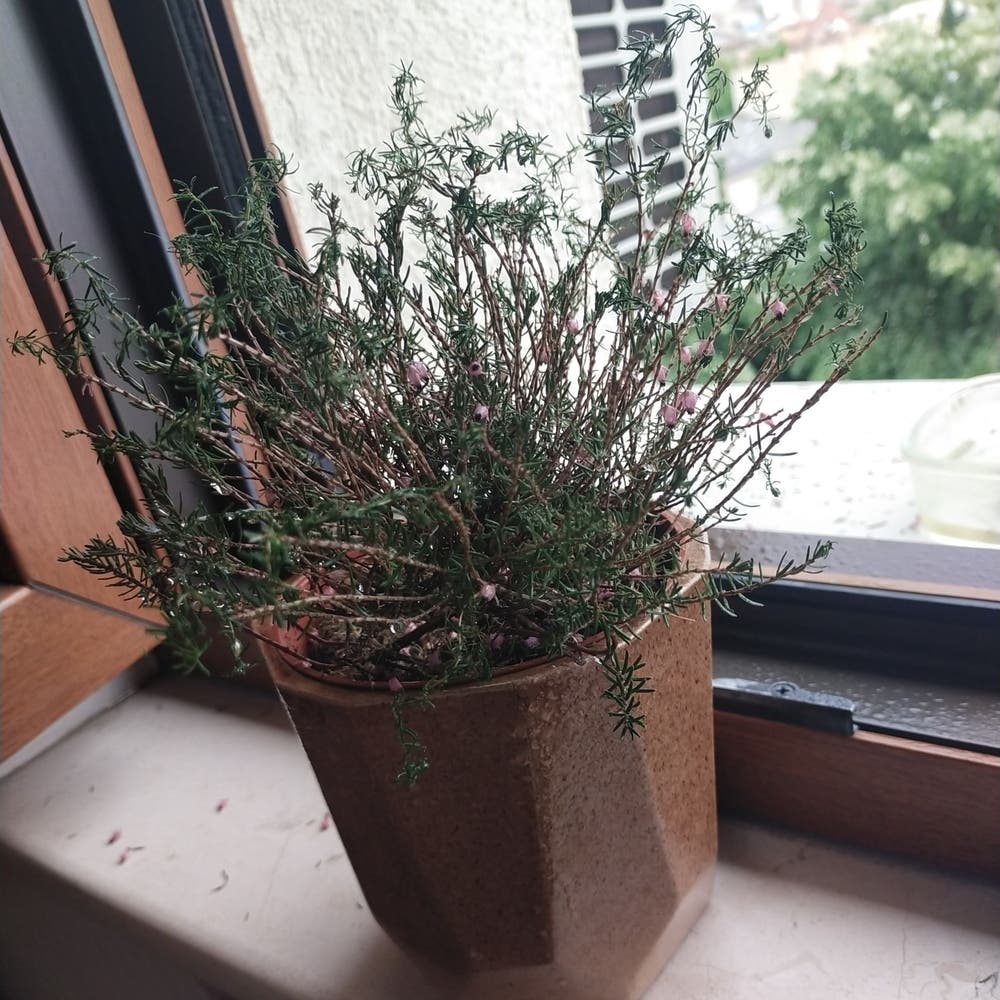
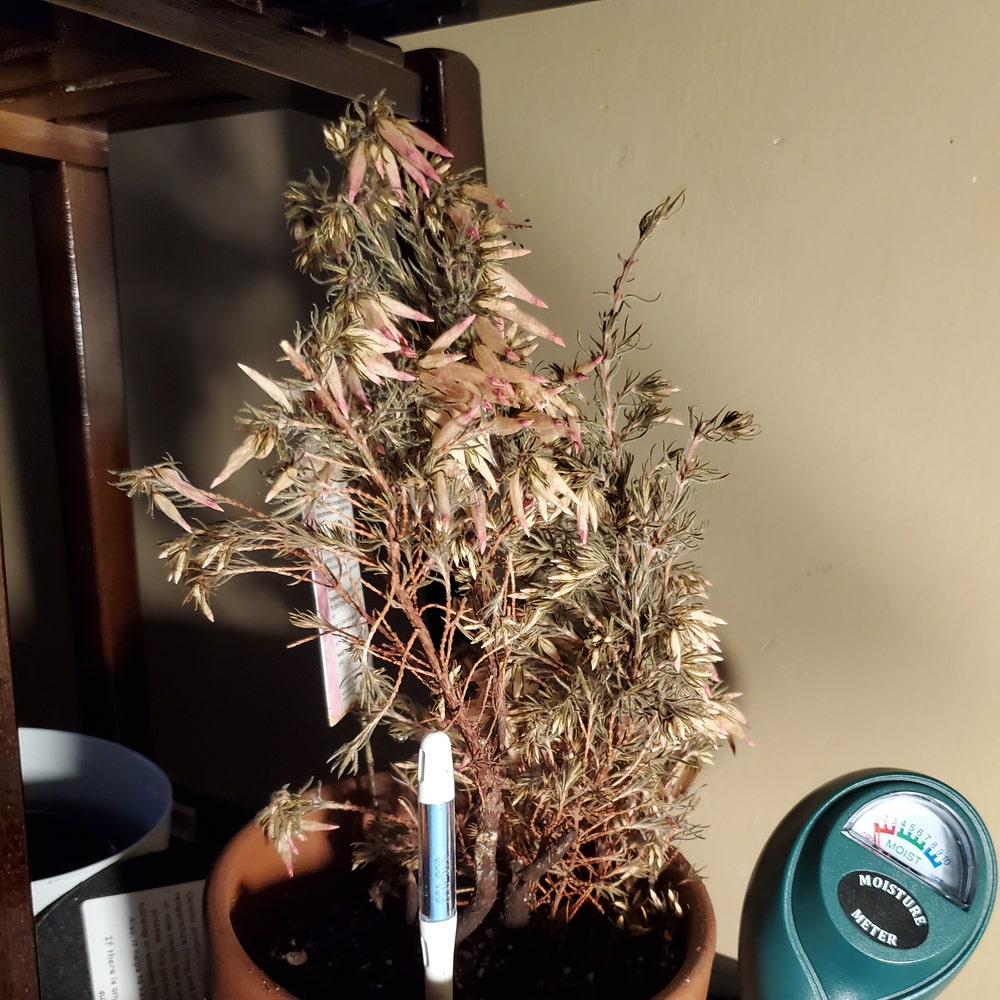
Leaf curling in Pink Bell Heather is not subtle. You'll see leaves rolling inward, contorting into unnatural shapes. This is your plant's cry for help, a visual red flag that demands attention.
🚨 Quick Tips on Early Detection
Regular check-ups are your plant's best defense. Catching the curl early is like catching a typo before you hit send—absolutely crucial.
🚩 Other Symptoms to Watch For
Leaf curl rarely rides solo. Discoloration, spots, or a general droopiness often join the party. These are your plant's version of a white flag, signaling it's time to intervene.
Unraveling the Causes of Curly Leaves
💧 Too Much Love: Overwatering Woes
Overwatering can turn Pink Bell Heather into a soggy mess. If the soil feels like a swamp and leaves are drooping, it's a sign of too much water. Root rot is a serious risk here, leading to a downward spiral of plant health.
🏜️ Thirsty Roots: The Underwatering Equation
Conversely, underwatering leaves the Pink Bell Heather gasping for moisture. Soil should not feel like a desert landscape. Crispy leaves and dry soil indicate a need for more water. It's about finding that sweet spot for soil moisture.
🌞 When the Environment Strikes
Environmental factors can wreak havoc on leaf health. Temperature, light, and humidity all play roles in leaf curl. Too hot, and leaves curl up; too cold, and they curl down. Adjusting your plant's location can help mitigate these stresses.
🐜 Tiny Invaders: Pests and Diseases
Pests and diseases love to target weakened plants. Sticky residue, webbing, or visible bugs are clear indicators of an infestation. Act swiftly with appropriate treatments to prevent further damage and leaf curling.
Turning Over a New Leaf: Remedies and Prevention
💧 Fine-Tuning Your Watering Technique
Check the soil before watering—dry an inch down means go-time for H2O. Watering should be season-sensitive, dialing back during the chill of winter.
🌡 Crafting the Ideal Microclimate
Light and temperature adjustments are key—think cozy, not scorching, for your Pink Bell Heather. Humidity hacks? A pebble tray or humidifier can be your plant's new best friend, just don't turn your living room into a tropical rainforest.
🐜 Keeping Pests and Diseases at Bay
Good air circulation is a must to keep those fungal party crashers at bay. Skip the leaf shower; direct watering to the soil to avoid unwanted moisture on the leaves. And remember, a little mulch can go a long way in keeping the soil moist and temperature regulated—just don’t let it snuggle too close to the stem.
⚠️ Safety First
This content is for general information and may contain errors, omissions, or outdated details. It is not medical, veterinary advice, or an endorsement of therapeutic claims.
Always consult a qualified healthcare professional before using any plant as food, medicine, or supplement.
Never eat any plant (or feed one to pets) without confirming its identity with at least two trusted sources.
If you suspect poisoning, call Poison Control (800) 222-1222, the Pet Poison Helpline (800) 213-6680, or your local emergency service immediately.
Spotted an error? Please report it here.
Turn your Pink Bell Heather's frown upside down by using Greg to monitor 🌡 and adjust your plant's microclimate for optimal health and growth.