Why Are There Brown Spots on My Pink Bell Heather Leaves?
Erica gracilis
By the Greg Editorial Team
Apr 14, 2024•4 min read
This article was created with the help of AI so we can cover more plants for you. May contain errors. See one? Report it here.
Banish brown spots 🍂 and keep your Pink Bell Heather thriving with this essential care guide.
- Fungi and bacteria cause brown spots; differentiate to treat effectively.
- Environmental stressors like overwatering contribute to brown spots.
- Prevent with proper care: spacing, watering, and monitoring plant health.
Spotting the Trouble: Identifying Brown Spots on Pink Bell Heather
🌿 Visual Symptoms
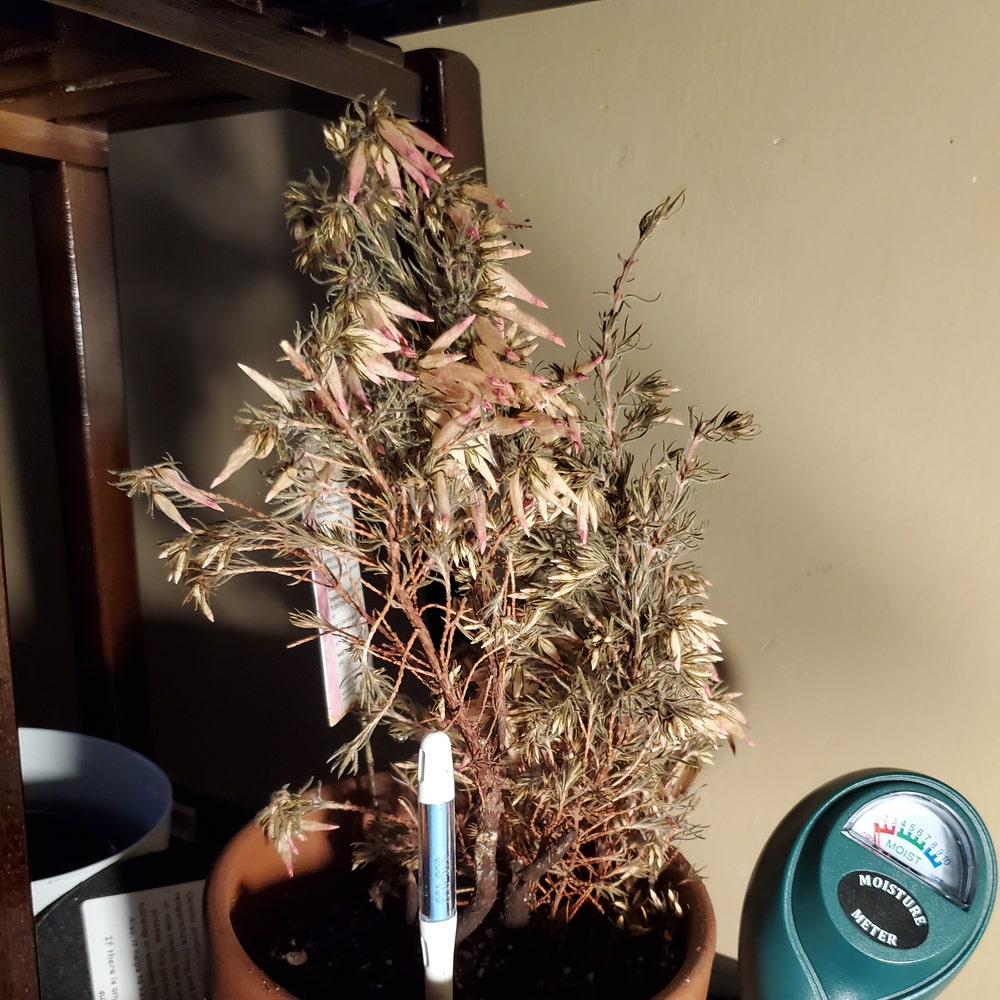
Brown spots on Pink Bell Heather can be alarm bells for plant health. These spots range from light tan to dark brown, and their texture may vary from dry and crispy to wet and soggy. A yellow halo around the spots often indicates a more serious issue than simple aging or sun damage.
🎨 Differentiating Discoloration
It's crucial to distinguish between natural leaf variegation and disease-related spots. Natural patterns are uniform and consistent, while problematic spots appear more randomly and may evolve over time, signaling potential distress.
👀 Early Detection
Regular inspection is your first line of defense. Look for small, irregular spots or areas that deviate from the leaf's normal texture. These early warning signs can be subtle, so keep a keen eye out.
🚨 Importance of Vigilance
The importance of catching brown spots early cannot be overstated. Early detection can mean the difference between a quick fix and a full-blown plant health crisis. Regular monitoring is like insurance for your Pink Bell Heather's well-being.
Rooting Out the Causes: What's Behind the Brown Spots?
🍄 Fungal Foes
Fungal infections are like unwanted guests at a party, leaving behind brown spots as their calling card. Leaf spot and powdery mildew are the usual suspects. Leaf spot shows up as circular blemishes, potentially merging into larger areas of discoloration. Powdery mildew, on the other hand, dusts leaves with a white coating. Both love to party in moist, stagnant air. If your Pink Bell Heather is looking a bit under the weather, it's time to check the air circulation.
🦠 Bacterial Bullies
Bacterial issues are more subtle but just as damaging. They manifest as water-soaked spots, often with a yellow halo, turning your plant's leaves into a battleground. Warm, wet environments are a paradise for bacterial baddies like Pseudomonas and Xanthomonas. These spots can be tricky to differentiate from fungal ones, so look closely for that distinctive yellow edge.
🌿 Environmental Stressors
Sometimes, it's the environment that's the bane of your plant's existence. Overwatering, temperature swings, and improper humidity can all lead to brown spots. These spots might look like a random splatter painting rather than a methodical pattern. Keep a keen eye on your watering habits and make sure your plant's environment isn't rolling out the red carpet for pathogens.
The Rescue Regimen: Treating Brown Spots on Pink Bell Heather
🦠 Combating Pathogens
When brown spots invade your Pink Bell Heather, it's time to take action. First, remove the affected leaves with sterilized shears—this is plant surgery, and you're the doctor. Next, identify whether you're dealing with a fungus or bacteria; this dictates your treatment plan. For fungi, copper-based fungicides are your go-to. Coat every leaf like you're painting a masterpiece, but don't slack on the follow-up. If bacteria are your nemesis, bactericides step into the ring. Products like Agristrep or a diluted bleach solution can be effective, but timing is everything—apply early. Always read the label, not once, but twice. It's not just good advice; it's a rule.
🌱 Adjusting Care Practices
Now, let's tweak those care routines. Overwatering is a no-go; it's like giving your plant a bath when it just needs a sip. Ensure the soil is well-draining and water only when the top inch feels dry. Lighting is another piece of the puzzle. Bright, indirect light is your plant's best friend—think of it as a cozy spot by the window, not a beach under the midday sun. Lastly, air circulation is crucial. Give your plant space to breathe, ensuring it's not trapped in a corner. This isn't just about recovery; it's about giving your Pink Bell Heather a fighting chance for a future without spots.
Proactive Protection: Preventing Future Brown Spots
🌱 Cultural Controls
Best practices are your Pink Bell Heather's suit of armor against brown spots. Begin with pathogen-free plants to avoid introducing trouble from the start. Mind the spacing; your plant craves personal space for air to circulate and prevent fungal parties. Watering should be a morning ritual, allowing leaves to dry before nightfall. And don't forget, cleanliness is next to godliness—keep the area free of debris to discourage unwanted guests.
🕵️ Monitoring and Maintenance
Vigilance is the price of a spotless Pink Bell Heather. Make routine checks a part of your plant care routine; think of it as a wellness check-up. Keep a care log; it's not just a diary, it's a treasure trove of your plant's life story. Notice a change? Time to play detective and tweak your care strategy. Remember, consistency is key—your plant will thank you for a stable and loving environment.
⚠️ Safety First
This content is for general information and may contain errors, omissions, or outdated details. It is not medical, veterinary advice, or an endorsement of therapeutic claims.
Always consult a qualified healthcare professional before using any plant as food, medicine, or supplement.
Never eat any plant (or feed one to pets) without confirming its identity with at least two trusted sources.
If you suspect poisoning, call Poison Control (800) 222-1222, the Pet Poison Helpline (800) 213-6680, or your local emergency service immediately.
Spotted an error? Please report it here.
Eradicate brown spots 🕵️♂️ on your Pink Bell Heather with Greg's tailored watering and light reminders, ensuring your plant's health is always on track.