Why Are My Pink Bell Heather Leaves Dropping?
Erica gracilis
By the Greg Editorial Team
Apr 14, 2024•3 min read
This article was created with the help of AI so we can cover more plants for you. May contain errors. See one? Report it here.
Stop your Pink Bell Heather's leaf drop 🍂 and revive its beauty with our expert care guide! 🌟
- 💧 Consistent watering is key to prevent Pink Bell Heather leaf drop.
- 🌡️ Stable microclimate with indirect sunlight ensures plant health.
- 🌱 Regular inspections and care maintain a thriving Pink Bell Heather.
Pinpointing the Culprits Behind Leaf Drop
💧 Water Woes
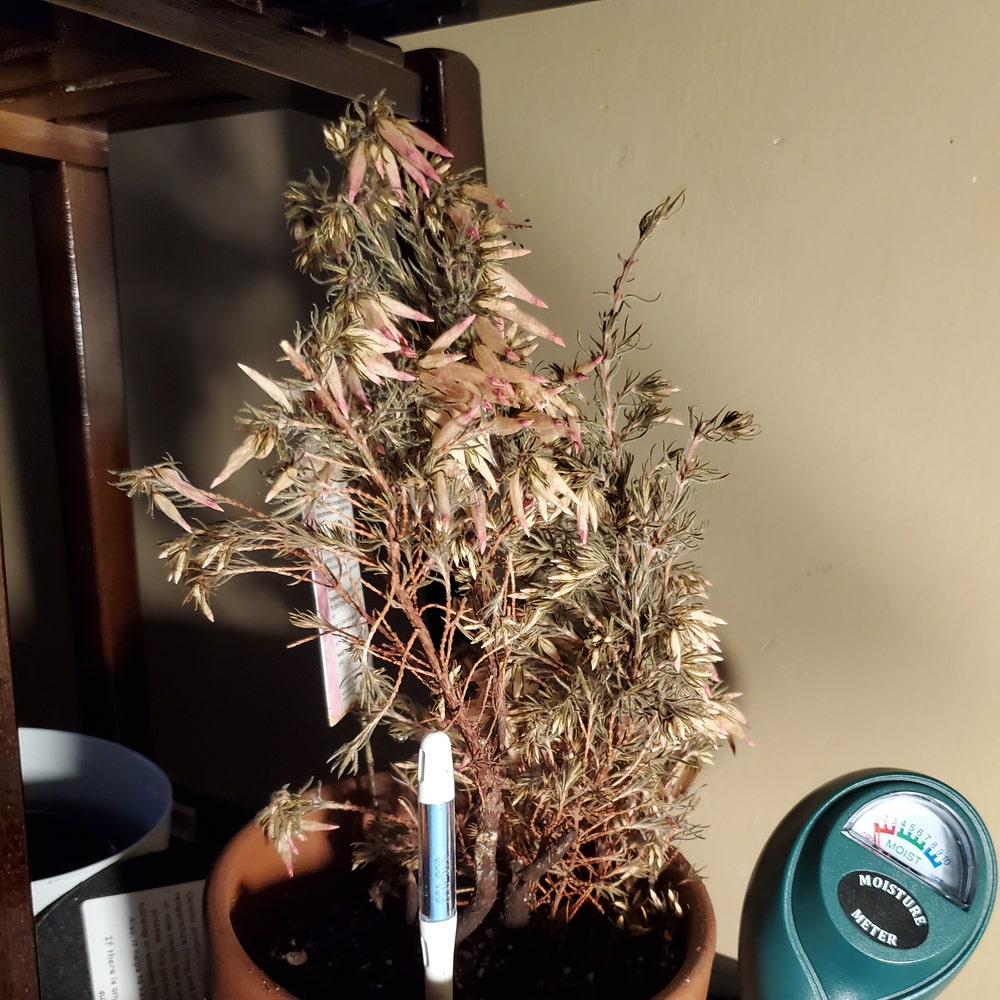
Overwatering and underwatering can send your Pink Bell Heather into a tailspin. Check the soil: if it's as soggy as a wet sponge, you've gone overboard. Bone-dry? Your plant's parched. Aim for moist, not swampy or desert-like.
🌡️ Climate Challenges
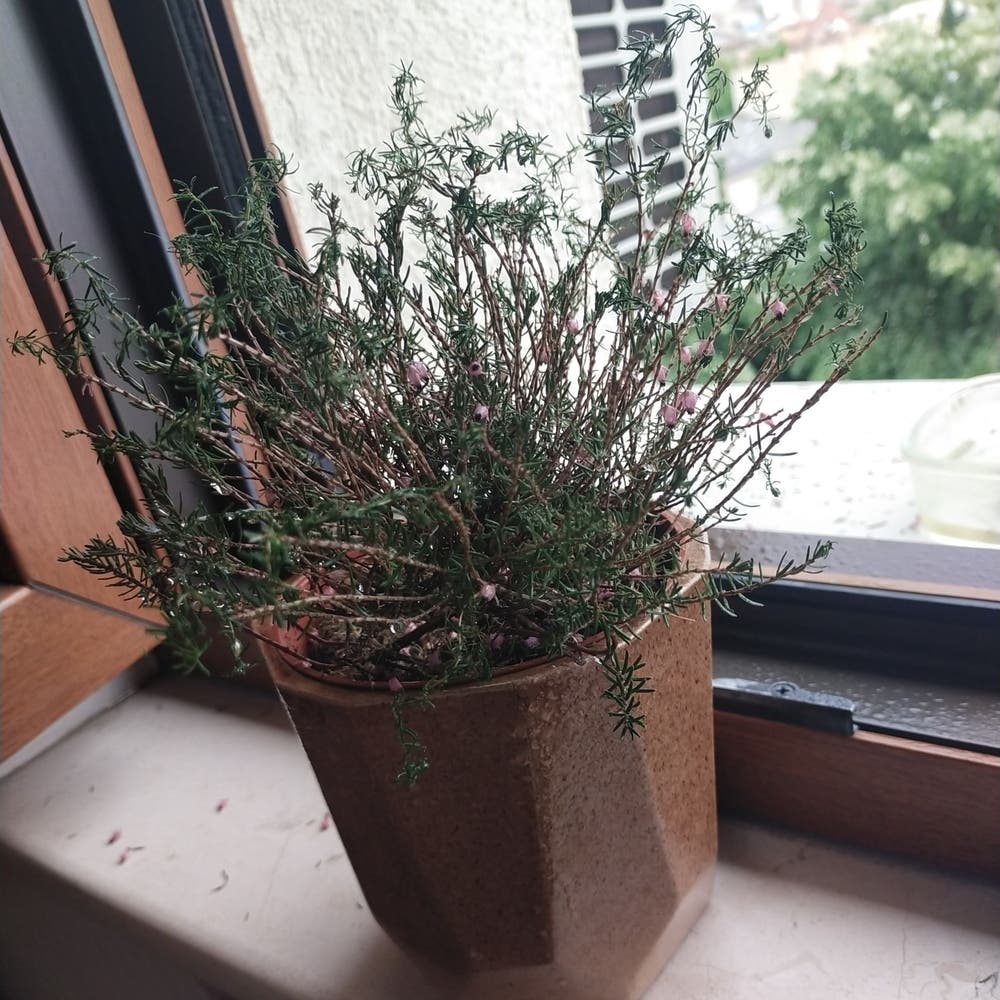
Your Heather's dropping leaves faster than a tree in autumn? It might be throwing a fit over its environment. Drafts and temperature swings are the usual suspects. Keep it stable to avoid a botanical meltdown.
🐜 Unwanted Guests and Illnesses
Yellow leaves with more spots than a dalmatian could mean pests or disease. Mites and fungal foes love to crash the party. Spot them early, and show them the door with a blast of water or a swipe of insecticidal soap.
Turning Things Around for Your Pink Bell Heather
💧 Balancing the Watering Equation
Watering your Pink Bell Heather shouldn't be a high-wire act. Consistency is your friend here. Start by checking the soil moisture a few centimeters down—if it's dry, it's time to water. But hold off on the aqua if it feels like a damp sponge.
Step-by-Step Guide to Watering
- Check the soil moisture before watering.
- Water until it runs out the bottom, then let it drain completely.
- Reduce watering frequency in cooler months—your plant's not as thirsty.
- Use room-temperature water to avoid shocking the roots.
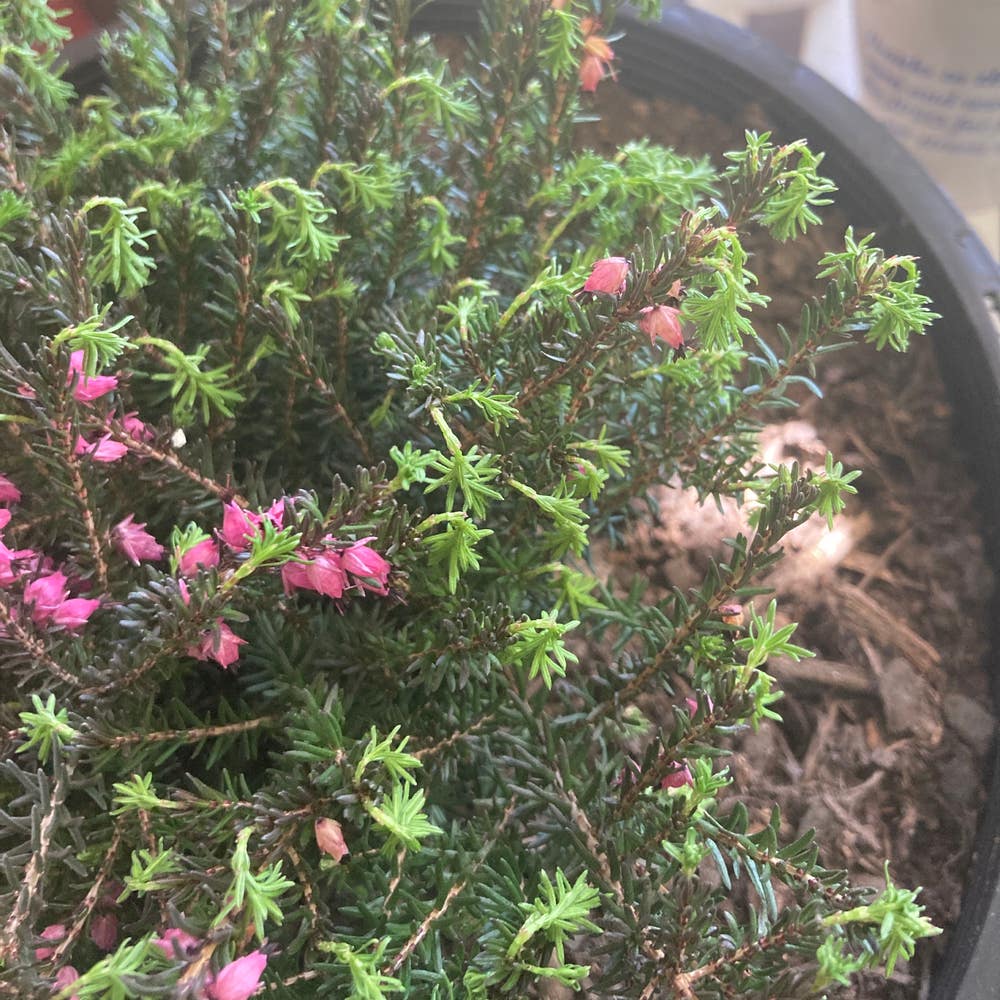
Remember, overwatering is just as harmful as underwatering. Your plant's leaves will tell you if you're on the right track: they should look perky, not limp or yellow.
🌿 Crafting the Perfect Microclimate
Creating a microclimate for your Pink Bell Heather is like being a plant DJ—set the right atmosphere and watch it thrive. Bright, indirect sunlight is the jam for this plant. Too much direct sun can lead to a sunburnt fiasco, while too little light leaves your plant in the shadows, literally.
Microclimate Mastery
- Rotate your plant to ensure all sides get equal light exposure.
- Keep temperatures steady; avoid placing your plant near drafty windows or heating vents.
- Consider a pebble tray for added humidity, especially if your indoor air resembles the Sahara.
If your Pink Bell Heather is still throwing a fit, it might be time to relocate. Sometimes a change of scenery is all it takes to turn those frowns (drooping leaves) upside down.
Keeping the Peace: Preventative Tactics
🌱 Soil and Site Selection Savvy
Selecting the right soil and location is crucial for Pink Bell Heather. Aim for well-draining soil, as soggy conditions can spell disaster. Full sun is the plant's best friend, ensuring vibrant growth and bloom.
Incorporate mulch to maintain moisture and temperature, but don't overdo it. Too much can lead to root suffocation. Organic matter boosts soil health, promoting a robust root system.
👀 Vigilance and Routine Care
Regular inspections are non-negotiable. Spot early signs of stress by checking leaf texture and color. Prune suspicious foliage to halt disease spread.
Consistency is key. Establish a care schedule that's as reliable as your morning alarm. Water when the topsoil feels slightly damp, and adjust as needed.
Proactive steps, like soil amendments and strategic pruning, ensure your Pink Bell Heather remains a garden showstopper. Stay alert, act fast, and enjoy the lush results of your efforts.
⚠️ Safety First
This content is for general information and may contain errors, omissions, or outdated details. It is not medical, veterinary advice, or an endorsement of therapeutic claims.
Always consult a qualified healthcare professional before using any plant as food, medicine, or supplement.
Never eat any plant (or feed one to pets) without confirming its identity with at least two trusted sources.
If you suspect poisoning, call Poison Control (800) 222-1222, the Pet Poison Helpline (800) 213-6680, or your local emergency service immediately.
Spotted an error? Please report it here.
Ensure your Pink Bell Heather thrives 🌿 by using Greg to balance watering and create the perfect microclimate, preventing leaf drop and fostering plant health.