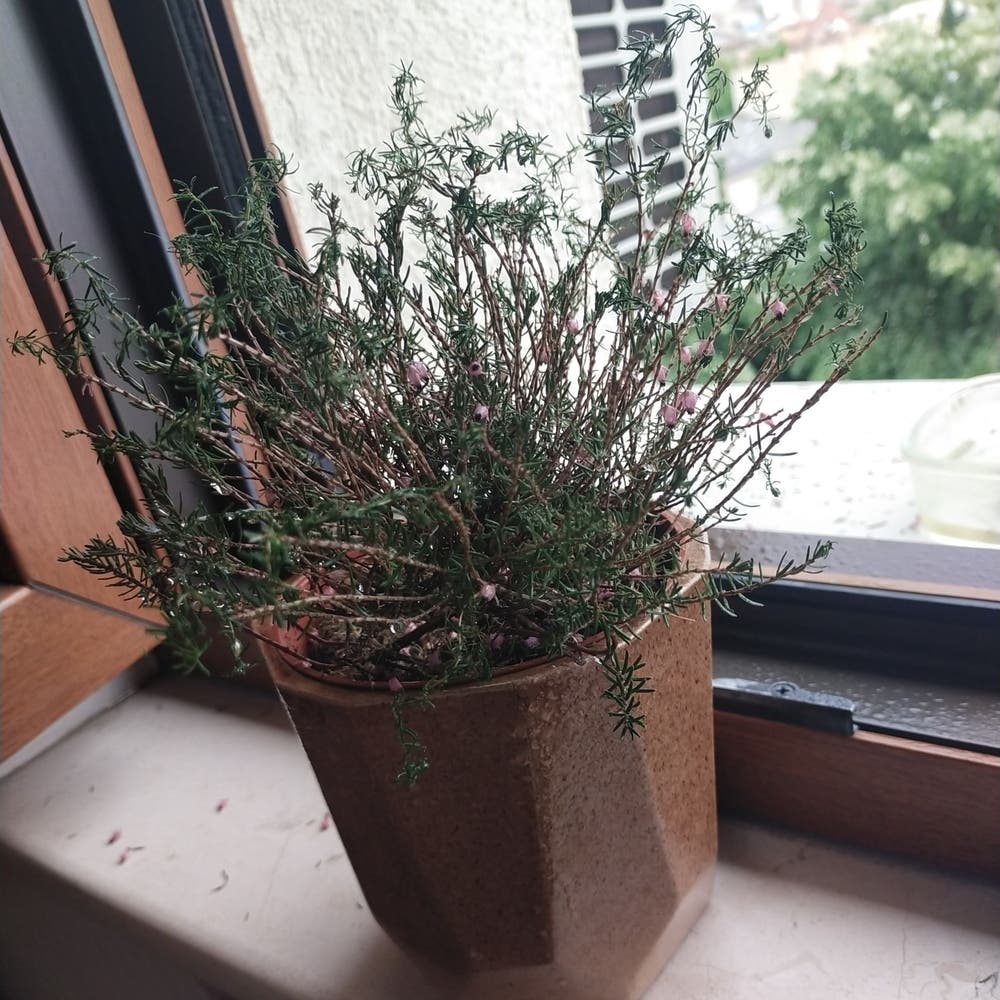
Why Are My Pink Bell Heather Leaves Droopy?
Erica gracilis
By the Greg Editorial Team
Apr 14, 2024•5 min read
This article was created with the help of AI so we can cover more plants for you. May contain errors. See one? Report it here.
Nurse your droopy Pink Bell Heather back to vibrant health with our expert care guide! 🌺🩺
- Under/overwatering? Check for wrinkled leaves or yellow, mushy stems.
- Seasonal watering changes and improved drainage prevent droopiness.
- Pests, diseases, nutrition: Control with remedies, circulation, and balanced fertilizer.
When Thirsty Roots Lead to Droopy Leaves
🏜️ Spotting Underwatering Signs
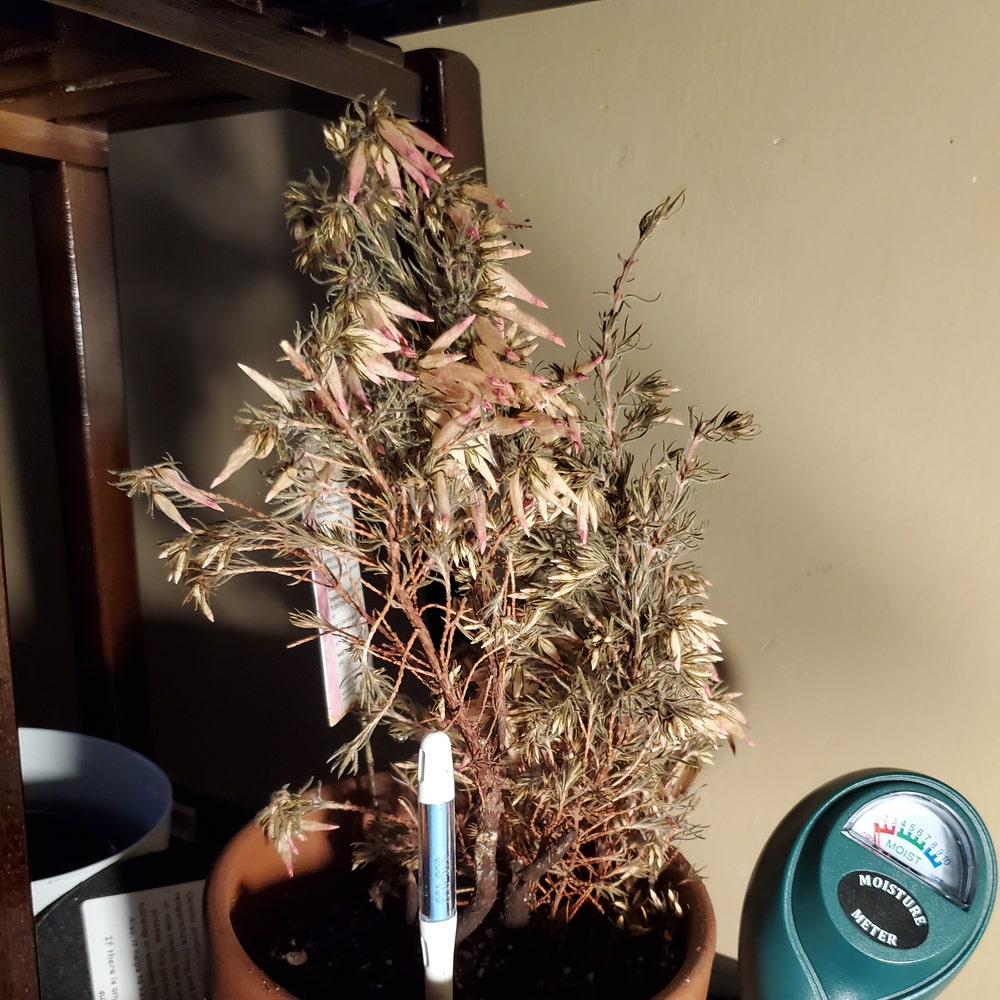
Wrinkled leaves and bone-dry soil are telltale signs that your Pink Bell Heather is parched. It's like the plant's version of licking dry lips. When the soil feels like a drought has hit, it's a clear signal your heather is thirsty.
💧 Quenching the Thirst
To properly water Pink Bell Heather, think of it as a gentle rainfall, not a flash flood. The goal is to moisten the soil evenly without making it soggy. Seasonal changes demand an adjustable watering schedule—more frequent in summer, less so in winter.
🌦 Adjusting Your Watering Schedule with the Seasons
During the warmer months, Pink Bell Heather's thirst ramps up. You'll want to check the soil more often, ensuring it doesn't go completely dry. As the cooler weather sets in, reduce the frequency but never let the soil become as dry as a stale biscuit.
The Drowning Dilemma: Overwatering and Poor Drainage
🚰 Recognizing Overwatering Symptoms
Yellow leaves and mushy stems are the plant's white flags of surrender to overwatering. If the soil feels like a wet sponge and clings to your fingers, or if you notice a moldy surface, it's time to put the watering can down. Brown spots surrounded by a yellow halo on leaves are not a fashion statement; they're distress signals.
🚰 Rescuing Your Plant from Waterlogged Woes
Improve soil drainage by mixing in materials like perlite or small rocks. This creates air pockets, allowing water to flow freely and roots to breathe. If your Pink Bell Heather is potted, ensure the container has adequate drainage holes. In case of root rot, trim the affected roots and consider a fungicide treatment before repotting in well-draining soil. Remember, balance is key—your plant's soil should feel like a wrung-out sponge, not a swamp.
Battling Droopiness: Environmental Stress and Its Fixes
🛡️ Shielding from Harsh Conditions
Pink Bell Heather, like any plant, can succumb to environmental stress. Extreme weather conditions, be it the scorching summer sun or the biting cold of winter, can wreak havoc on its delicate leaves. To protect your plant, consider using shade cloths or moving it to a more sheltered location when the weather forecast spells trouble. In winter, guard against cold winds by placing your Heather in a spot that maintains a stable temperature. It's about being proactive, not reactive, to the whims of Mother Nature.
🌡️ Creating a Comfort Zone
Creating the ideal microclimate for your Pink Bell Heather might seem like a daunting task, but it's all about balance. Start by ensuring that the plant isn't exposed to drastic temperature changes, which can be as unsettling for plants as unexpected plot twists are for us. Use a thermometer to keep tabs on the temperature, aiming for a consistent range that mimics the plant's natural habitat. Humidity is another critical factor; too much can lead to mold, too little can cause dryness. Consider a humidifier or a pebble tray to maintain that just-right level of moisture in the air. Lastly, don't forget about airflow—good circulation is crucial, so make sure your plant isn't suffocating in a stagnant corner of your home.
Pests and Diseases: Unseen Culprits of Droopiness
🐜 Keeping Pests at Bay
Spider mites and scale insects are the Pink Bell Heather's nemeses. They're not just pests; they're leaf-sucking vampires. To spot them, look for webbing or sticky residue. If they're partying on your plant, show them the door with a soapy water spray or a targeted pesticide.
Natural remedies can be effective, like introducing predatory insects that see your pests as a buffet. But when the infestation's out of hand, don't hesitate to bring out the chemical big guns. Remember, it's about balance—don't nuke your plant trying to save it.
🦠 Disease Diagnosis and Defense
Droopy leaves can signal a fungal fiesta. Root rot and powdery mildew are the usual suspects. They're stealthy; you might not notice until your plant's in a slump. Keep the soil well-drained and the air circulating to crash their party.
For treatment, fungicides can be the bouncer you need. But prevention beats cure every time. Keep your Heather happy with the right watering and hygiene, and you'll spend less time playing plant doctor. Regular check-ups are key—turn those leaves over, and don't let disease catch you napping.
Feeding for Firmness: Addressing Nutritional Deficiencies
🚨 Detecting Nutrient Shortfalls
Yellowing leaves and stunted growth are red flags that your Pink Bell Heather might be nutrient-starved. Look for reddening stems or frail new growth as signs that it's time for a dietary overhaul.
💪 Nourishing Your Heather Back to Health
Fertilizing is not about dumping a truckload of nutrients and hoping for the best. It's a strategic move. Use a balanced fertilizer to give your Heather the strength to stand tall. Apply it in early spring to kickstart growth, and remember, moderation is key—overfeeding is just as bad as starving.
- Soil Test: Before you go on a fertilizing frenzy, do a soil test. It's like a wellness check for your plant's home.
- Balanced Diet: Choose a fertilizer that's like a multivitamin for your Heather, complete with all the essential nutrients.
- Regular Meals: Feed your Heather every 6 to 8 weeks from March through November. It's like setting up a meal plan for optimal health.
- Micronutrients Matter: Ensure your fertilizer includes micronutrients. They're the unsung heroes that prevent subtle signs of deficiency like leaf yellowing or spotting.
- Root Health: Keep the soil moisture consistent. It's not just about the food; it's about making sure your Heather can actually take it in.
- Timing is Everything: Fertilize in early spring when your Heather is waking up and craving that nutrient boost.
Remember, it's about creating a nurturing environment, not just a quick fix. Keep an eye on your plant, and it'll show you what it needs. It's all about learning to speak plant.
⚠️ Safety First
This content is for general information and may contain errors, omissions, or outdated details. It is not medical, veterinary advice, or an endorsement of therapeutic claims.
Always consult a qualified healthcare professional before using any plant as food, medicine, or supplement.
Never eat any plant (or feed one to pets) without confirming its identity with at least two trusted sources.
If you suspect poisoning, call Poison Control (800) 222-1222, the Pet Poison Helpline (800) 213-6680, or your local emergency service immediately.
Spotted an error? Please report it here.
Keep your Pink Bell Heather thriving with Greg's custom care reminders 🌱, empowering you to perfect watering and fertilizing without the guesswork!