🪴 How to Manage Physic Nut Weeds
Jatropha curcas
By the Greg Editorial Team
Oct 09, 2024•6 min read
This article was created with the help of AI so we can cover more plants for you. May contain errors. See one? Report it here.
Discover how to combat Physic Nut 🌿, an invasive weed jeopardizing local ecosystems and biodiversity!
- 🌱 Physic Nut weeds disrupt ecosystems by competing aggressively with native plants.
- ⚠️ Identifying features include dark green lobed leaves and yellow clustered flowers.
- 🛠️ Effective management requires early detection, manual removal, and community involvement.
Plant Classification
Definition of Weeds and Invasive Species 🌱
Weeds are unwanted plants that grow aggressively, competing with cultivated plants for resources. Invasive species, on the other hand, are non-native plants that spread rapidly, disrupting local ecosystems and outcompeting native flora.
Criteria for Classifying Physic Nut as a Weed 🌿
Physic Nut is classified as a weed due to its rapid spread, allowing it to colonize disturbed areas quickly. Its competitive nature enables it to outcompete native plants for essential resources, leading to significant ecological impacts that alter habitats and reduce biodiversity.
Ecological and Competitive Nature 🌍
This plant thrives in poor soil conditions, making it particularly challenging for native species to compete. Additionally, Physic Nut forms dense stands that can dominate landscapes, further exacerbating its invasive tendencies.
Understanding these classifications is crucial for effective management strategies. As we delve deeper into identifying Physic Nut, we can better address its impact on local ecosystems.
Identification
Key Identifying Features 🌿
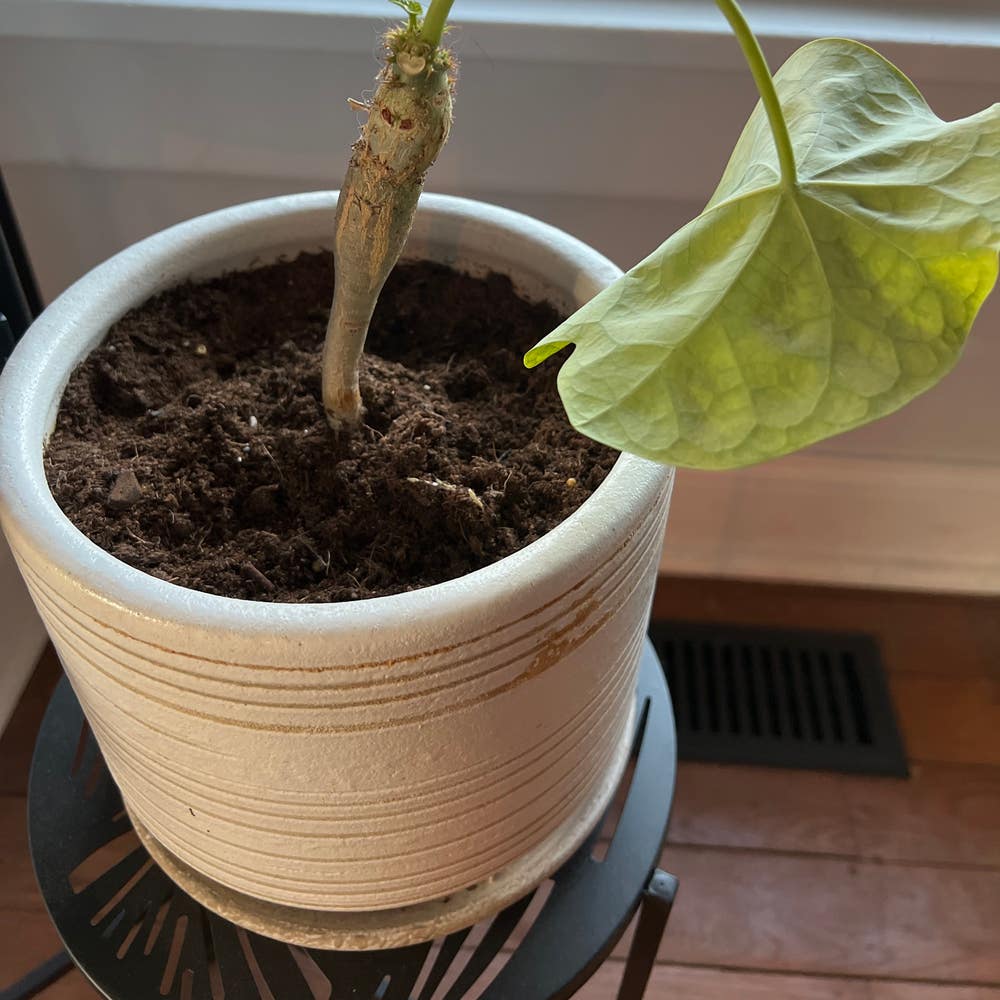
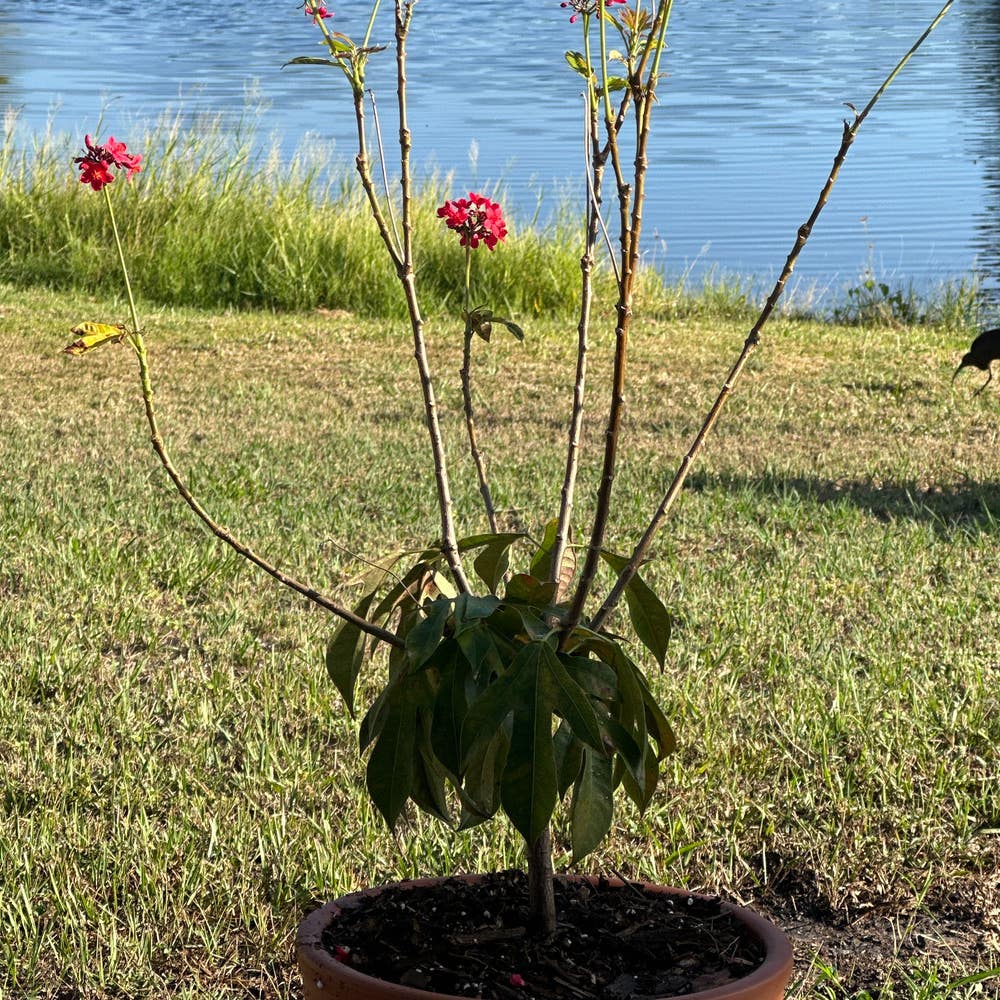
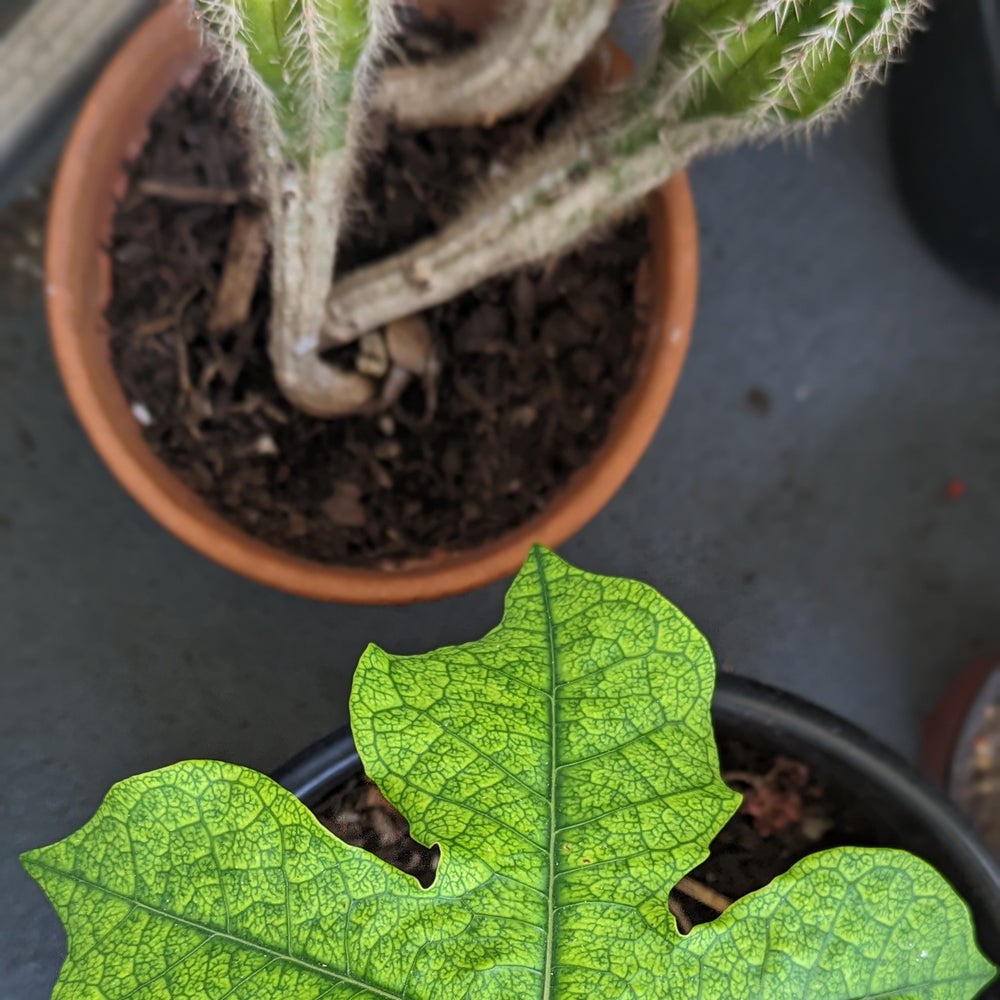
Identifying Physic Nut is crucial for effective management. Its leaves are succulent, lobed, and a striking dark green, making them easily recognizable.
The flowers are another telltale sign. They are yellow, clustered, and appear in inflorescences, adding a vibrant touch to the landscape.
Don’t overlook the seeds! They are oil-rich and can remain viable in the soil for extended periods, contributing to the plant's invasive nature.
Comparison with Look-Alike Plants 👀
When identifying Physic Nut, it's essential to distinguish it from similar species, like those in the Euphorbia family.
Look for specific distinguishing features, such as the unique leaf shape and flower arrangement, to avoid confusion.
Visual cues, like the plant's overall growth habit and color, can also help you identify Physic Nut accurately.
Being aware of these differences can make a significant impact in managing this invasive species effectively.
With a solid grasp of these identifying traits, you're better equipped to tackle the challenges posed by Physic Nut.
Next, we’ll explore its growth habits and how it spreads in various environments.
Growth Habits and Spread
Typical Growth Patterns 🌱
Physic Nut is notorious for its rapid growth rate. It can reach maturity in just one growing season, often towering between 3 to 10 feet tall.
Reproductive Strategies and Methods of Spread 🌾
This plant is a prolific producer of seeds, generating a high output that remains viable for extended periods. Additionally, it can reproduce vegetatively, sprouting from broken stems or roots, making it even harder to control.
Adaptability to Various Environments 🌍
Physic Nut thrives in a variety of conditions, showcasing remarkable tolerance to drought and poor soil. You’ll commonly find it in disturbed areas, along roadsides, and in agricultural fields, where it can quickly establish itself.
Understanding these growth habits and spread mechanisms is crucial for effective management. The next section will delve into the ecological and economic impacts of Physic Nut, highlighting why controlling this invasive species is essential.
Ecological and Economic Impact
🌱 Effects on Native Plant Communities
Physic Nut weeds can severely displace native flora, leading to a significant reduction in biodiversity. This displacement alters habitat structure and function, making it challenging for local ecosystems to thrive.
💸 Economic Losses Associated with Physic Nut
The economic impact of Physic Nut is notable, particularly in land management and restoration efforts. Heavily infested areas often see a decline in property values, as the presence of these invasive plants can deter potential buyers and affect local economies.
Understanding these ecological and economic ramifications is crucial for effective management strategies. By addressing the challenges posed by Physic Nut, we can work towards healthier ecosystems and more vibrant communities.
Control and Management
Manual Removal Techniques and Best Practices 🌱
Identifying infested areas is the first step in managing Physic Nut weeds. Look for dense patches that disrupt native flora.
You'll need gloves, shovels, and pruning shears for effective removal. These tools help ensure you can dig out the roots, preventing any chance of regrowth.
Chemical Control Options and Safety Considerations ⚗️
Herbicides can be effective against Physic Nut, but choosing the right type is crucial. Glyphosate and triclopyr are commonly recommended, but always follow application guidelines closely.
Safety precautions are essential when using chemicals. Wear protective gear and consider environmental impacts to minimize harm to surrounding ecosystems.
Preventive Measures to Limit Spread 🚧
Implementing best practices in land management can significantly limit the spread of Physic Nut. Regularly monitor your land and maintain healthy native plant communities to create a competitive environment for local flora.
Healthy ecosystems are less susceptible to invasives. By fostering biodiversity, you can help keep Physic Nut at bay.
Importance of Early Detection and Rapid Response ⏰
Monitoring for new infestations is vital. Early detection allows for quicker action, which can prevent larger problems down the line.
Community involvement is key in these efforts. Encourage local groups to participate in monitoring and reporting, creating a united front against the spread of Physic Nut.
By taking proactive steps, you can effectively manage Physic Nut and protect your local ecosystems. Next, we’ll explore the legal status and potential benefits of this invasive species.
Legal Status and Potential Benefits
Overview of Laws and Regulations 🌐
Understanding the legal landscape surrounding Physic Nut is crucial. Both federal and state regulations classify it as an invasive species, leading to restrictions on its cultivation, sale, and transport.
These laws aim to curb its spread and protect native ecosystems. Violating these regulations can result in fines or other penalties, emphasizing the importance of compliance.
Historical Uses and Current Beneficial Uses 📜
Despite its invasive nature, Physic Nut has historical significance in various cultures. Traditionally, it has been used for medicinal purposes, showcasing its value beyond being just a weed.
Today, its oil-rich seeds are gaining attention for biofuel production. This potential offers a glimpse into how we might harness its benefits while managing its invasive traits.
Emphasis on Negative Impacts ⚠️
While acknowledging its uses, it’s essential to stress the ecological harm caused by Physic Nut. Its rapid spread disrupts local ecosystems, leading to a decline in biodiversity.
Balancing its potential benefits with the need for control is key. Awareness and proactive management can help mitigate its negative impacts while exploring its beneficial uses.
As we move forward, understanding these dynamics will be vital in addressing the challenges posed by Physic Nut. Next, we’ll explore its ecological and economic impacts in greater detail.
⚠️ Safety First
This content is for general information and may contain errors, omissions, or outdated details. It is not medical, veterinary advice, or an endorsement of therapeutic claims.
Always consult a qualified healthcare professional before using any plant as food, medicine, or supplement.
Never eat any plant (or feed one to pets) without confirming its identity with at least two trusted sources.
If you suspect poisoning, call Poison Control (800) 222-1222, the Pet Poison Helpline (800) 213-6680, or your local emergency service immediately.
Spotted an error? Please report it here.
Take charge of your garden by managing Physic Nut weeds for a healthier ecosystem 🌱, and let Greg guide you with tailored tips and community support to restore balance in your green space!