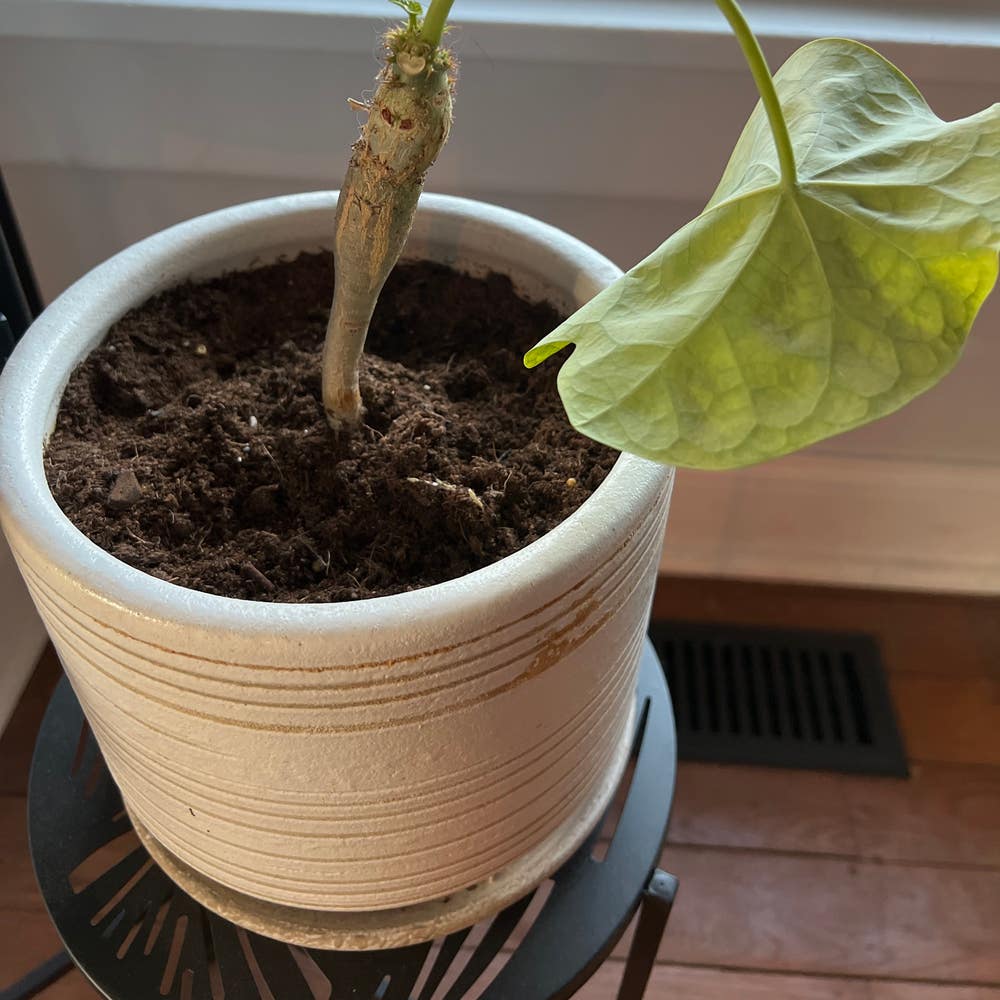
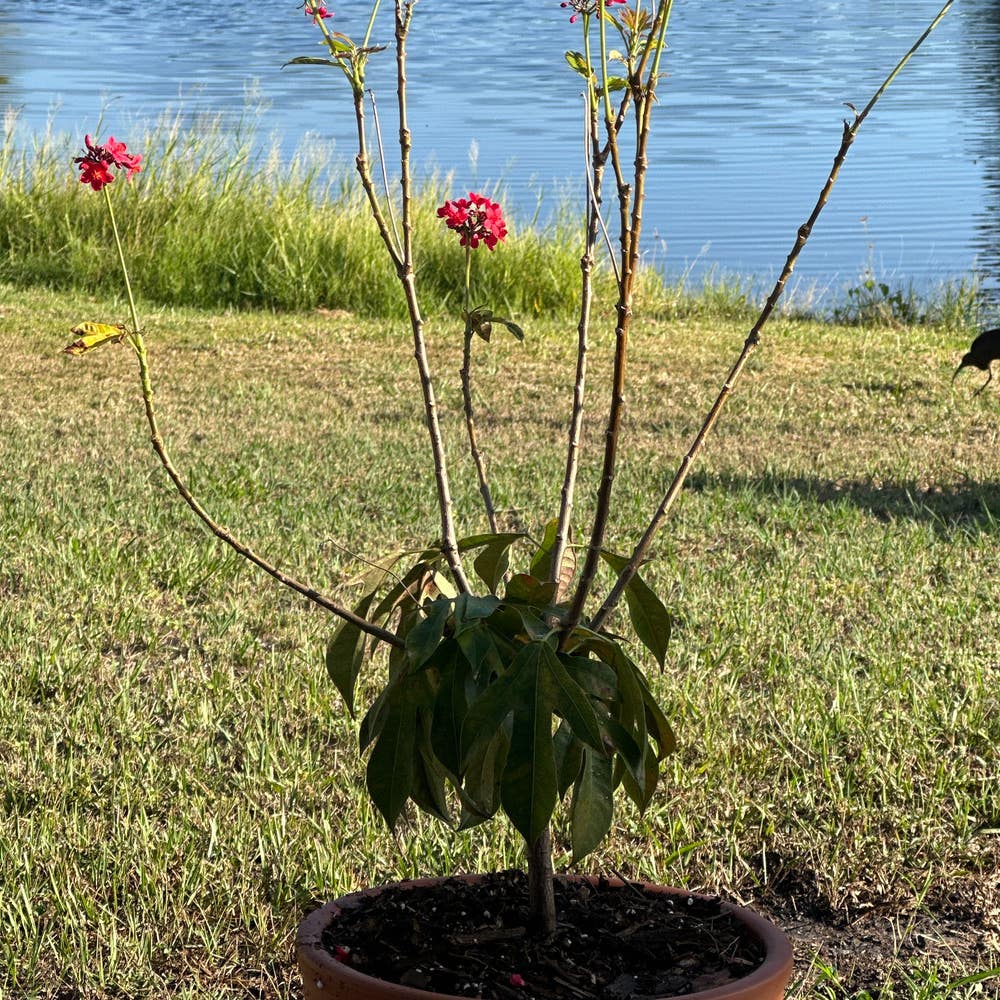
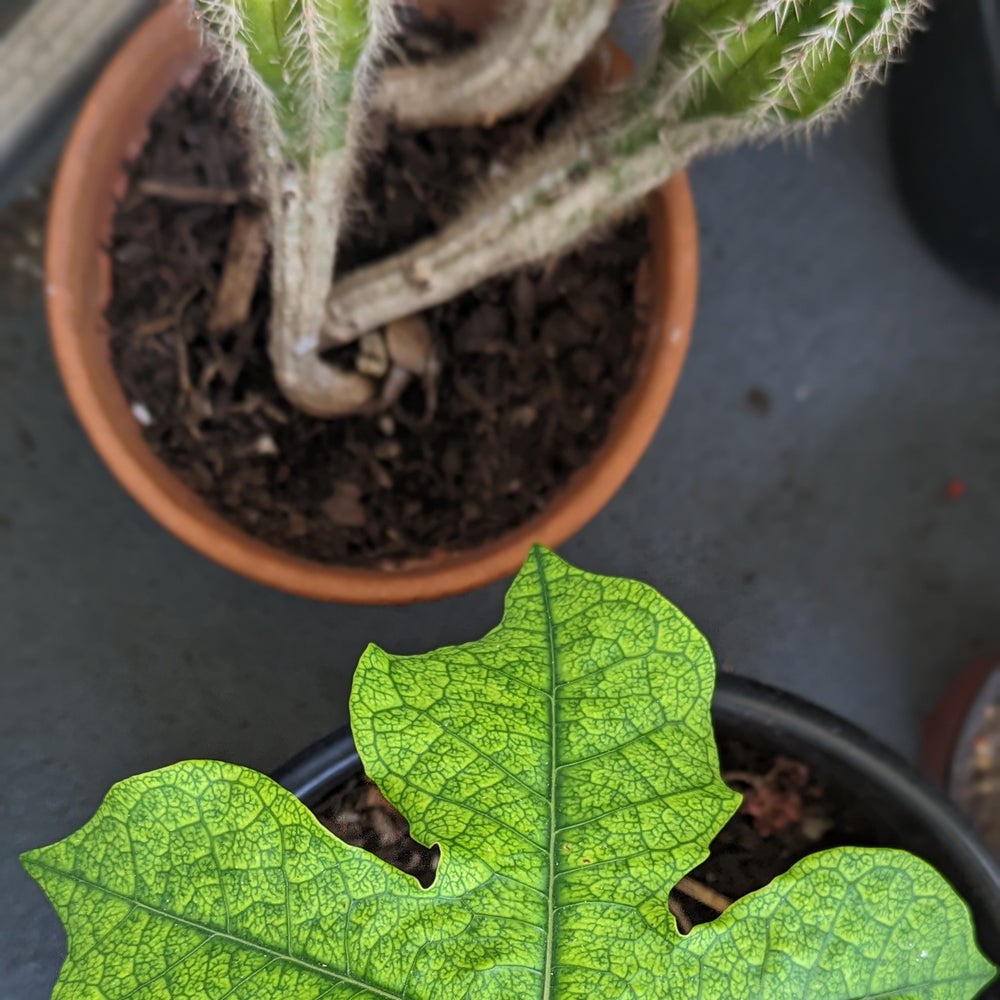
🥥 Introduction to Barbados Nut
Jatropha curcas
By the Greg Editorial Team
Jan 23, 2025•12 min read
This article was created with the help of AI so we can cover more plants for you. May contain errors. See one? Report it here.
Elevate your garden with the Barbados nut tree, a stunning plant that brings beauty and nutrition! 🌳
- 🌞 Barbados nut thrives in full sun, needing 6-8 hours of sunlight daily.
- 🌱 Well-draining, fertile soil with pH 6.0-7.5 is essential for growth.
- ⚠️ Seeds and unprocessed leaves are toxic; proper processing is crucial for safety.
How to Grow
Choosing a Location 🌞
To successfully grow the Barbados nut, start by selecting an ideal location. This plant thrives in warm, tropical regions and requires full sun exposure, ideally receiving 6 to 8 hours of sunlight daily.
Soil Preparation 🌱
Next, focus on soil preparation. The Barbados nut prefers well-draining, fertile soil with a pH level between 6.0 and 7.5 for optimal growth.
Planting Techniques 🌿
When it comes to planting, ensure you follow the correct techniques. Seeds should be planted at a depth of 1 to 2 inches, with trees spaced 15 to 20 feet apart to allow for proper growth.
Watering Requirements 💧
Watering is crucial for maintaining healthy plants. Regular watering is necessary to keep the soil consistently moist, but be mindful of the signs of overwatering and underwatering to avoid damaging your plants.
Fertilizing Schedule 🥦
A balanced NPK fertilizer is essential for the Barbados nut's growth. Apply it every 4 to 6 weeks during the growing season to provide the nutrients your plant needs.
Pruning Methods ✂️
Pruning is an important part of ongoing care. Aim to prune in late winter or early spring, focusing on removing any dead or damaged branches to promote healthy growth.
Ongoing Care 🛠️
For ongoing care, ensure you use a container with a minimum size of 15 gallons for optimal growth. Additionally, keep an eye out for pests and diseases that could affect your plant's health.
With these steps, you can cultivate a thriving Barbados nut tree that will not only enhance your garden but also provide numerous benefits. Next, let’s explore the propagation methods to expand your Barbados nut collection.
Propagation
🌱 Seed Propagation
To start growing Barbados nut from seeds, soak them in water for 24 hours before planting. This simple step can significantly enhance germination, which typically takes about 2 to 4 weeks.
✂️ Cutting Propagation
For those who prefer cutting propagation, select healthy cuttings that are 6 to 8 inches long. Use a rooting medium made of equal parts peat and perlite to encourage robust root development.
🌿 Layering Techniques
Layering is another effective propagation method. Bend a branch to the ground, cover it with soil, and wait for about 4 to 6 weeks for roots to develop.
This variety of propagation techniques allows you to choose the method that best suits your gardening style and resources. Each method has its unique benefits, ensuring you can successfully cultivate the Barbados nut in your garden.
Size
Mature Height and Spread 🌳
The Barbados nut tree can reach impressive heights of up to 30 feet. Its spread typically ranges from 15 to 25 feet wide, making it a substantial presence in any landscape.
Growth Rate and Size Variability 📈
This tree exhibits a moderate to fast growth rate, influenced by its growing conditions. Factors such as climate, soil quality, and care practices can lead to variability in size.
Factors Affecting Size ⚖️
Several key factors impact the growth and size of the Barbados nut tree:
- Soil Quality: Well-draining, fertile soil promotes healthy growth.
- Sunlight: Full sun exposure is crucial for optimal development.
- Water Availability: Consistent moisture is necessary to support robust growth.
Understanding these elements can help you cultivate a thriving Barbados nut tree that enhances your garden's beauty and functionality. As you continue to explore the nuances of growing this remarkable tree, you'll discover how to create the ideal environment for its success.
Roots
Root System Characteristics 🌱
The Barbados nut features a deep taproot system, which anchors the plant securely in the soil. This robust root structure is essential for accessing nutrients and water deep below the surface.
Depth and Spread of Roots 📏
These roots can reach depths of up to 3 feet, allowing the plant to thrive in various conditions. Additionally, the roots extend laterally beyond the canopy, providing stability and support.
Common Root-Related Issues ⚠️
One of the most common problems faced by Barbados nut plants is root rot, often caused by overwatering. This condition can severely impact the plant's health if not addressed promptly.
Identifying Healthy vs. Unhealthy Roots 🔍
Healthy roots are typically firm, white, and spread out evenly in the soil. In contrast, unhealthy roots appear dark, mushy, and may emit a foul smell, indicating decay.
Recognizing Rootbound Plants 🪴
If you notice roots growing out of the drainage holes of your pot, your plant may be rootbound. The solution is simple: repot the plant into a larger container to give it room to grow and thrive.
Understanding the root system of the Barbados nut is crucial for its overall health. Proper care and attention to root conditions can lead to a flourishing plant, setting the stage for successful growth and development.
Next, we will explore the various benefits of growing the Barbados nut, highlighting its nutritional and environmental advantages.
Benefits
Top 5 Benefits 🌟
The Barbados nut offers a wealth of benefits that make it a valuable addition to any garden or kitchen.
Nutritional Value
First and foremost, the Barbados nut is packed with healthy fats and proteins. This makes it an excellent choice for those looking to boost their nutrient intake.
Culinary Uses
In the kitchen, it shines as a versatile ingredient. You can incorporate it into various dishes, adding a unique flavor and texture.
Environmental Benefits
Beyond personal health, this tree provides significant environmental benefits. It offers shade and habitat for wildlife, contributing to a balanced ecosystem.
Aesthetic Appeal
Visually, the Barbados nut is a showstopper. Its large, glossy leaves enhance the beauty of any garden, making it a favorite among gardeners.
Cultural Significance
Finally, the Barbados nut holds cultural significance in many regions. It is often used in traditional dishes and rituals, connecting people to their heritage.
These benefits highlight why the Barbados nut is more than just a plant; it's a multifaceted asset to both our diets and our environment. As we explore further, you'll discover how to cultivate and care for this remarkable tree.
Companion Plants
🌱 Concept of Companion Planting
Companion planting is a gardening technique that pairs plants together to enhance growth, improve pest management, and boost overall garden diversity. By strategically selecting companions, you can create a more resilient ecosystem in your garden.
🌼 Best Companion Plants
Some of the best companions for the Barbados nut include:
- Legumes: These plants fix nitrogen in the soil, enriching it for the Barbados nut.
- Herbs: Certain herbs can repel pests, helping to protect your Barbados nut from unwanted visitors.
🚫 Plants to Avoid
While many plants can thrive alongside the Barbados nut, some should be avoided.
- Nutrient Competitors: Plants that consume similar nutrients can hinder growth.
- Pest Magnets: Avoid plants that attract pests, as they can lead to infestations that affect your Barbados nut.
By choosing the right companions, you can create a thriving garden that supports the health and growth of your Barbados nut. This thoughtful approach not only enhances your garden's productivity but also fosters a vibrant ecosystem.
Next, let's explore the potential toxicity of the Barbados nut to humans and pets.
Toxicity to Humans
Toxic Parts 🥜
The Barbados nut has specific parts that pose risks to humans. The seeds and unprocessed leaves are the primary culprits, containing compounds that can lead to adverse health effects.
Poisonous Compounds and Symptoms 🤢
While the exact toxic principles remain unknown, the symptoms of poisoning are clear. Ingestion can result in nausea, vomiting, diarrhea, and dizziness, making it crucial to handle these parts with care.
How Poisoning Can Occur 🚫
Poisoning can occur through various means. The most common ways include ingesting the seeds or leaves and exposure to the sap, which can irritate the skin and mucous membranes.
When to Seek Medical Care 🚑
If you or someone else experiences severe symptoms after exposure, it's essential to seek medical care immediately. Prompt attention can make a significant difference in recovery and safety.
Understanding the toxicity of the Barbados nut is vital for safe gardening and consumption. Next, let's explore its edible parts and how to enjoy them safely.
Edible
Edible Parts 🌰
The Barbados nut is a unique plant, with its seeds being the only edible part when properly processed. The leaves and unripe seeds, however, should be avoided as they are inedible.
Identification and Harvesting Techniques 🌾
To harvest the seeds, wait until they are fully mature and dry. This ensures that you’re collecting the best quality seeds for consumption.
Nutritional Value and Health Benefits 🥗
These seeds are a powerhouse of nutrition, rich in healthy fats, vitamins, and minerals. Incorporating them into your diet can provide numerous health benefits, making them a valuable addition to your meals.
Food Safety Considerations ⚠️
Before enjoying Barbados nut seeds, it's crucial to process them correctly to remove any toxins. This step is essential for safe consumption, ensuring that you can enjoy their nutritional benefits without any health risks.
As you explore the edible aspects of the Barbados nut, remember to prioritize safety and proper preparation. Next, let's delve into the potential toxicity of this plant, particularly concerning pets.
Toxicity to Dogs
🐶 Toxic Parts for Dogs
The Barbados Nut can pose a risk to dogs, particularly its leaves and seeds. These parts contain compounds that can be harmful if ingested.
🤢 Symptoms of Poisoning
If a dog consumes these toxic parts, symptoms may include drooling, vomiting, and weakness. It's crucial to monitor your pet closely for any signs of distress.
🛡️ Prevention Measures
To keep your furry friends safe, supervise them while outdoors, especially in areas where Barbados Nut plants are present. Additionally, consider removing these plants from your garden to eliminate any risk of accidental ingestion.
By taking these precautions, you can ensure a safer environment for your pets while enjoying the beauty of your garden.
Toxicity to Cats
🐱 Toxic Parts for Cats
The Barbados nut can pose a risk to our feline friends. The leaves and seeds are the primary toxic parts that can lead to health issues if ingested.
🤢 Symptoms of Poisoning
If a cat consumes these toxic parts, you may notice several alarming symptoms. Common signs include vomiting, diarrhea, and weakness, which can indicate that immediate action is needed.
🛡️ Prevention Measures
To keep your cat safe, consider a few simple strategies. Keeping cats indoors and supervising their outdoor time can significantly reduce the risk of exposure to the Barbados nut.
By being proactive, you can enjoy the beauty of the Barbados nut while ensuring your furry companions remain healthy and safe. Next, let’s explore the potential problems that can arise when growing this unique plant.
Problems
Common Problems 🌱
Growing Barbados Nut can be rewarding, but it’s not without its challenges.
Incorrect Watering
One of the most common issues is incorrect watering. Overwatering can lead to root rot, while underwatering can stress the plant.
Incorrect Light Conditions
Another frequent problem is inadequate sunlight. If your Barbados Nut isn’t getting enough light, it may show signs of stunted growth.
Diseases
Fungal diseases, like powdery mildew, can also affect your plant. These issues can hinder growth and reduce overall health.
Identifying Symptoms and Causes 🔍
Recognizing symptoms early can save your plant.
Yellowing Leaves
Yellowing leaves often indicate overwatering or a nutrient deficiency. Pay attention to these signs to address problems promptly.
Solutions for Common Issues 🛠️
Fortunately, many of these problems have straightforward solutions.
Adjusting Watering Schedule
Start by adjusting your watering schedule. Ensure you’re providing consistent moisture without waterlogging the roots.
Improving Drainage
Improving drainage can also help combat overwatering. Consider using well-draining soil or adding perlite to your mix.
Providing Adequate Light
Lastly, ensure your Barbados Nut receives adequate light. If it’s not thriving, try relocating it to a sunnier spot.
By staying vigilant and proactive, you can keep your Barbados Nut healthy and thriving. Next, let’s explore the potential pest issues that could arise in your garden.
Bugs
🐛 Potential Pest Issues
When growing the Barbados nut, be aware of potential pest issues that can affect your plants. While these trees are generally resilient, they can still fall prey to various pests that may hinder their growth.
🔍 Identification of Pests
Common pests to watch for include spider mites, aphids, and mealybugs. Each of these pests can cause significant damage if not addressed promptly.
⚠️ Damage Caused by Pests
Signs of pest damage often manifest as wilting leaves, visible leaf damage, or stunted growth. If you notice these symptoms, it’s crucial to investigate further.
🧴 Treatment Options
For effective pest control, consider using organic methods like neem oil or insecticidal soap. These treatments are not only effective but also safer for your plants and the environment.
By staying vigilant and addressing pest issues early, you can ensure your Barbados nut thrives. Next, let’s explore what animals might be interested in munching on your beloved tree.
What Eats Barbados Nut
Common Animals 🦌
The Barbados nut tree can attract a variety of wildlife. Common visitors include deer, rabbits, and squirrels, all of which may find the tree's foliage appealing.
Signs of Animal Presence 🐾
Identifying animal activity around your Barbados nut tree is crucial for its protection. Look for tracks, droppings, and chewed leaves, which are clear indicators of animal presence.
Damage Caused by Animals 🐻
These animals can cause significant damage by browsing on the leaves and branches. This not only affects the tree's health but can also hinder its growth and fruit production.
Deterrent Methods 🚧
To protect your Barbados nut tree, consider implementing several deterrent methods. Fencing can create a physical barrier, while repellents can discourage animals from approaching. Additionally, companion planting strategies can help by attracting beneficial insects or distracting pests away from your tree.
By taking these steps, you can ensure your Barbados nut tree thrives despite the challenges posed by local wildlife. Next, we’ll explore the potential pest issues that may arise in your garden.
⚠️ Safety First
This content is for general information and may contain errors, omissions, or outdated details. It is not medical, veterinary advice, or an endorsement of therapeutic claims.
Always consult a qualified healthcare professional before using any plant as food, medicine, or supplement.
Never eat any plant (or feed one to pets) without confirming its identity with at least two trusted sources.
If you suspect poisoning, call Poison Control (800) 222-1222, the Pet Poison Helpline (800) 213-6680, or your local emergency service immediately.
Spotted an error? Please report it here.
Unlock the full potential of your Barbados nut tree 🌳 with Greg's tailored care tips, ensuring it thrives in sunlight and soil for a bountiful harvest!