🌰 Physic Nut Roots 101
Jatropha curcas
By the Greg Editorial Team
Oct 09, 2024•6 min read
This article was created with the help of AI so we can cover more plants for you. May contain errors. See one? Report it here.
Master root health 🌱 to ensure your plants thrive and flourish with resilience and vitality!
- 🌱 Physic nut roots access deep nutrients, thriving even in dry conditions.
- 💧 Proper watering and fertilization are key for healthy root development and stability.
- 🌍 Transplanting in spring or fall minimizes stress and promotes root health.
Root System Characteristics
Type of Root System 🌱
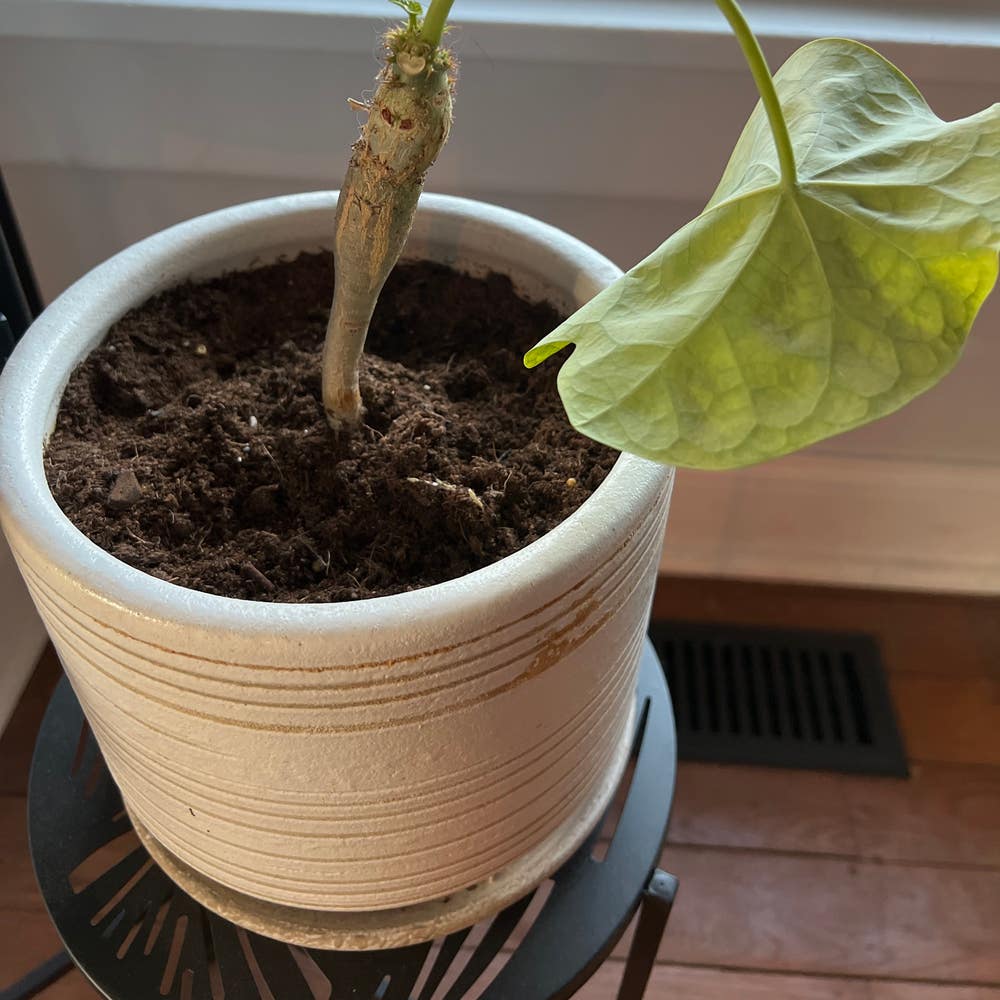
The physic nut features a taproot system, characterized by a single, dominant root that grows deep into the soil. This structure allows the plant to access nutrients and moisture from deeper layers, making it particularly resilient in dry conditions.
The advantages of a taproot system are significant. It not only stabilizes the plant but also enhances its ability to thrive in nutrient-poor soils by reaching resources that surface roots cannot.
Root Depth and Spread 📏
In mature physic nut plants, the average taproot can reach depths of up to 3 feet. This depth is crucial for accessing groundwater, especially during dry spells.
Horizontally, roots can extend several feet, often reaching beyond the plant's canopy. This spread is vital for stability and nutrient uptake, allowing the plant to gather resources efficiently from a wider area.
Growth Patterns 🌿
Root development begins early in seedlings, with initial roots focusing on anchoring and nutrient absorption. As the plant matures, the root structure evolves, becoming more complex and extensive.
Seasonal growth patterns also play a role in root health. During active growth periods, roots expand rapidly, while in dormancy, they conserve energy. Understanding these patterns helps in providing appropriate care throughout the year.
Watering and Fertilizing
🌱 How Root System Affects Watering Needs
Understanding your plant's root system is crucial for effective watering. The depth and spread of roots dictate how often and how much water your plant needs.
For plants with deep taproots, watering should be less frequent but more thorough. This encourages roots to grow deeper in search of moisture, promoting stability and nutrient access.
On the other hand, shallow-rooted plants require more frequent watering. Keep an eye on the soil moisture; it should be consistently damp but not soggy.
Signs of Overwatering vs. Underwatering:
- Overwatering: Yellowing leaves, root rot, and a foul smell from the soil.
- Underwatering: Wilting leaves, dry soil, and stunted growth.
🌿 Fertilization Techniques Tailored to Root Health
Fertilizing your plants correctly can significantly enhance root health. Choosing the right type of fertilizer is essential for optimal growth.
Recommended NPK Ratios:
- For root development, look for fertilizers with a higher phosphorus content (the middle number in NPK). A ratio like 5-10-5 can work wonders.
Timing is equally important. Fertilize during the growing season, typically in spring and summer, when plants are actively developing.
Best Practices for Feeding:
- Start with a balanced fertilizer when plants are young.
- Switch to a higher phosphorus formula as they mature.
- Avoid fertilizing during dormancy in fall and winter.
By aligning your watering and fertilizing practices with your plant's root system needs, you can foster a thriving, healthy garden.
Next, let’s explore the best practices for transplanting, ensuring your plants continue to flourish in their new homes.
Transplanting
🌱 Best Practices for Transplanting Considering Root Structure
Timing is crucial when it comes to transplanting. The ideal seasons are typically spring and fall, as these periods allow plants to adjust with minimal stress.
To minimize root disturbance, use careful techniques during the transplanting process. Gently lift the plant from its original location, ensuring you retain as much of the root ball as possible.
📝 Step-by-Step Guide to Successful Transplanting
Preparing the new planting site: Ensure the new location has well-draining soil and is free from weeds.
Watering before transplanting: Water the plant a day before to hydrate the roots and reduce shock.
Carefully removing the plant from its original pot: Tilt the pot and gently squeeze the sides to loosen the root ball.
Positioning and securing the plant in the new location: Place the plant at the same depth it was previously growing and backfill with soil.
Watering after transplanting to settle the soil: Water thoroughly to eliminate air pockets and help the roots establish in their new home.
Following these steps will not only enhance the success of your transplant but also promote a healthy root system in the long run. Next, we’ll explore common root-related issues that can arise after transplanting and how to address them effectively.
Common Root-Related Issues
Identifying and Solving Root Problems 🌱
Root health is crucial for plant vitality, yet issues can arise. One of the most common problems is root rot, which occurs when roots sit in waterlogged soil.
Symptoms of root rot include yellowing leaves, wilting, and a foul smell emanating from the soil. The primary cause is overwatering, which suffocates roots and promotes fungal growth.
Another concern is pest infestations affecting roots. Look for signs like stunted growth, wilting, or visible pests in the soil. Common culprits include nematodes and root aphids, which can severely damage root systems.
Preventative Measures for Root Health 🛡️
Preventing root issues starts with well-draining soil. This ensures excess water can escape, reducing the risk of rot.
Regularly inspecting root health is also essential. Check for signs of distress, such as discoloration or mushiness.
Finally, adjust your watering practices based on environmental conditions. During dry spells, you may need to water more frequently, while in humid conditions, cut back to avoid overwatering.
By staying vigilant and proactive, you can maintain robust root health and keep your plants thriving.
Next, we’ll explore how to recognize root health through visual cues and signs of rootbound conditions.
Recognizing Root Health
🌱 Visual Cues for Healthy vs. Unhealthy Roots
Healthy roots are typically firm and exhibit a vibrant white color. These characteristics indicate that the roots are actively absorbing nutrients and moisture.
In contrast, unhealthy roots often display signs of rot, such as a brown, mushy texture and foul odors. Recognizing these indicators early can save your plant from severe damage.
🌿 Understanding Rootbound Conditions
Rootbound refers to a condition where a plant's roots have outgrown their container, leading to restricted growth. This situation can hinder the plant's ability to absorb water and nutrients effectively.
Signs of being rootbound include stunted growth and roots visibly growing out of drainage holes. If you notice these symptoms, it’s time to consider repotting.
🛠️ Solutions for Rootbound Plants
To address rootbound conditions, repotting is essential. Choose a pot that is one size larger and ensure it has adequate drainage.
When repotting, gently loosen the roots and trim any that are excessively long or damaged. This will encourage healthier growth in the new environment.
🌍 Importance of Root Health in Propagation
Healthy roots play a crucial role in successful plant propagation. They affect how well new plants establish themselves and thrive.
Strong roots ensure that young plants can absorb nutrients and moisture efficiently, setting them up for a robust start.
✂️ Techniques for Dividing and Propagating
Follow these steps for effective propagation:
- Selecting healthy parent plants: Choose plants that show no signs of disease or stress.
- Techniques for root division: Carefully cut roots while minimizing damage to ensure both sections can thrive.
- Replanting divided sections: After division, plant the sections in fresh soil and water them adequately to promote recovery.
By following these techniques, you can successfully propagate your plants and enjoy their growth for years to come.
This understanding of root health not only enhances your gardening skills but also fosters a deeper connection with your plants. Next, we’ll explore common root-related issues and how to tackle them effectively.
⚠️ Safety First
This content is for general information and may contain errors, omissions, or outdated details. It is not medical, veterinary advice, or an endorsement of therapeutic claims.
Always consult a qualified healthcare professional before using any plant as food, medicine, or supplement.
Never eat any plant (or feed one to pets) without confirming its identity with at least two trusted sources.
If you suspect poisoning, call Poison Control (800) 222-1222, the Pet Poison Helpline (800) 213-6680, or your local emergency service immediately.
Spotted an error? Please report it here.
Unlock the secrets of your physic nut's deep roots 🌱 with Greg's tailored watering and fertilization reminders, ensuring your plants flourish with every season!