Is Direct Sunlight Good for My Physic Nut?
Jatropha curcas
By the Greg Editorial Team
Apr 28, 2024•3 min read
This article was created with the help of AI so we can cover more plants for you. May contain errors. See one? Report it here.
Learn to harness the sun's power 🌞 for a lush, happy Physic Nut with our essential sunlight guide. 🌿
- ☀️ Physic Nut loves sun but needs balance—bright light with some peak hour protection.
- Window direction matters—adjust plant's position for optimal light based on hemisphere.
- Monitor for sunburn signs—use curtains or move to indirect light if needed.
Sunlight and the Physic Nut: A Love Affair or a No-Go?
🌞 What Does Direct Sunlight Mean for Your Green Buddy?
Direct sunlight is the unfiltered solar embrace, like a spotlight on a stage. Indirect sunlight is its softer cousin, offering a gentle caress rather than a firm handshake. It's the difference between standing in the full glare of the sun and lounging in the light that's bounced off surfaces or filtered through sheer curtains.
Physic Nut's Sunlight Preferences
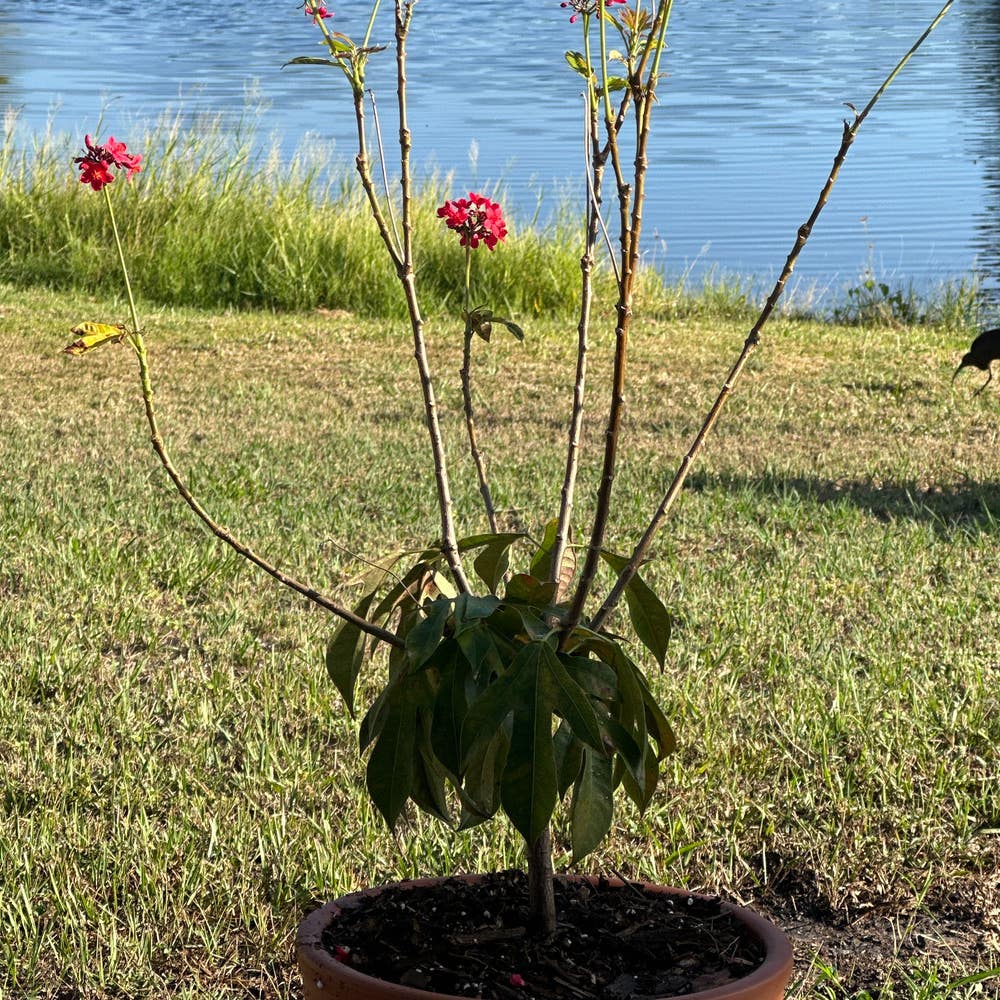
The Physic Nut is a sun worshipper at heart, hailing from the tropical embrace of regions near the equator. It's accustomed to basking in bright light, but not necessarily the harsh midday sun. Think of it like a beachgoer who loves the warmth but appreciates the occasional shade of a palm tree. To keep your Physic Nut in the spotlight without the risk of a sunburn, aim for a balance of bright light with some protection during the sun's peak hours.
When Windows Become Sun Gates: Direction Matters
🌞 North, South, East, West: Where Should Your Physic Nut Rest?
Window direction is crucial for your Physic Nut's well-being. South-facing windows are like the sun's stage, dishing out the most intense light show. North-facing windows, though, are the shy guys, offering a more subdued performance. East-facing windows deliver a gentle morning routine, while west-facing ones come in strong with an afternoon encore.
🌍 Hemisphere Hints: Sunlight Varies with Your Address
Your spot on the globe spins the sunlight dial for your Physic Nut. In the Northern Hemisphere, south-facing windows are the VIP seats for sun exposure. Flip the script in the Southern Hemisphere, and north-facing windows take the crown. Remember, the sun's angle isn't static; it's a seasonal mover and shaker. Keep your plant's position in sync with the sun's seasonal tour—closer to the window when it's winter's timid rays, and a step back when summer's in full swing.
Keeping Your Physic Nut Happy in the Sun
🌞 Spotting Signs of Too Much Love from the Sun
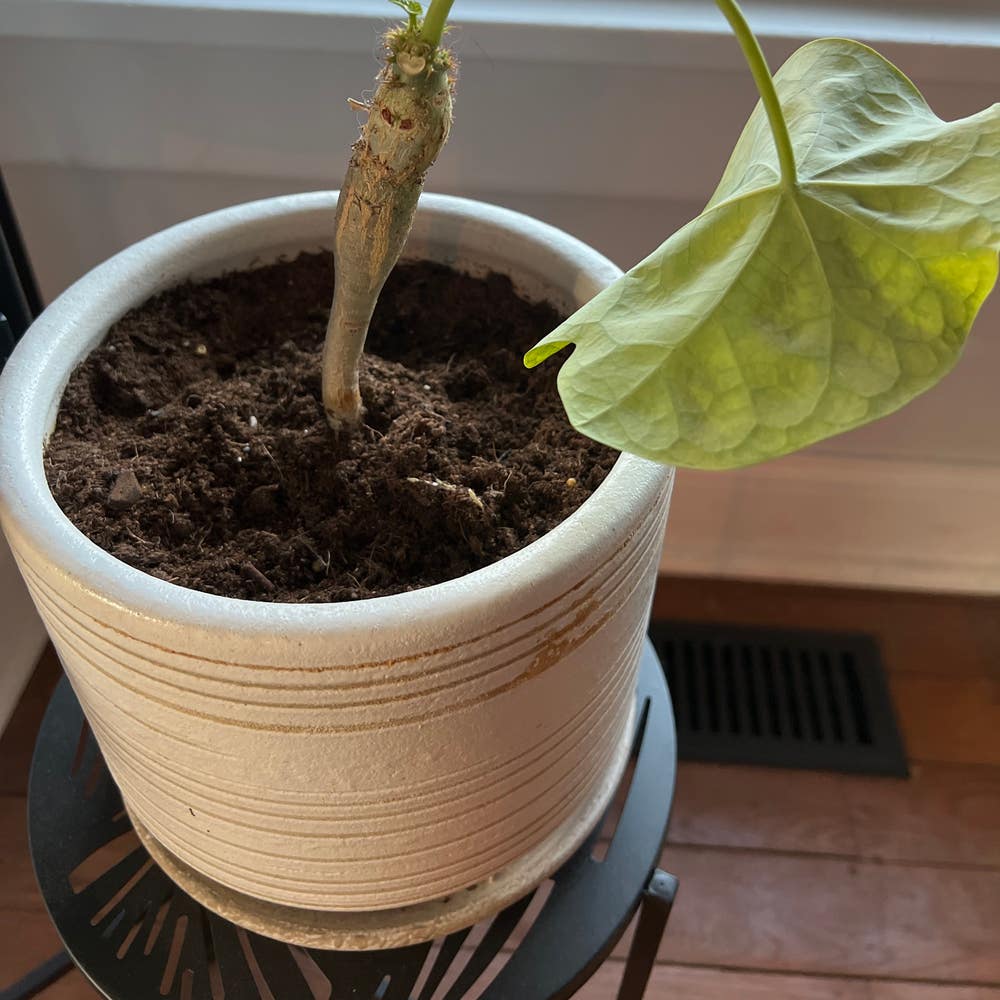
A Physic Nut with sunburn is a sad sight. Its leaves might look faded or have a crispy texture. This is your cue to find a shadier spot or filter the light.
🌅 Creating the Perfect Sunbath Setup
Adjusting sunlight for your Physic Nut isn't rocket science, but it does require some finesse. Here are a few tips to get it right:
Rotate your plant regularly to ensure even sun exposure. This prevents one side from getting too much heat.
If you catch your Physic Nut's leaves turning a lighter shade of green or spotting with brown, it's time to act. Move it away from direct sunlight to a place where it can enjoy bright, but indirect, light.
Consider using sheer curtains or blinds to diffuse strong sunlight, especially during peak hours. This can protect your Physic Nut from the harshest rays while still basking in a warm glow.
Monitor the growth patterns of your plant. If it's stretching out and looking leggy, it might be reaching for more light. Conversely, if it's getting too much sun, the growth may halt, and the leaves can start to look sunburnt.
Grow lights can be a controlled alternative if your indoor space lacks natural light. They provide a consistent light source without the risk of sunburn.
Remember, your Physic Nut's happiness is a balancing act. Keep an eye on it, and don't be afraid to shuffle things around until you hit that sweet spot of perfect sunlight exposure.
⚠️ Safety First
This content is for general information and may contain errors, omissions, or outdated details. It is not medical, veterinary advice, or an endorsement of therapeutic claims.
Always consult a qualified healthcare professional before using any plant as food, medicine, or supplement.
Never eat any plant (or feed one to pets) without confirming its identity with at least two trusted sources.
If you suspect poisoning, call Poison Control (800) 222-1222, the Pet Poison Helpline (800) 213-6680, or your local emergency service immediately.
Spotted an error? Please report it here.
Balance your Physic Nut's love for sunshine ☀️ with Greg's PlantVision, which pinpoints the ideal spot for just the right amount of light—no more guessing or crispy leaves!