Your Physic Nut's Light Requirements
Jatropha curcas
By the Greg Editorial Team
Apr 28, 2024•3 min read
This article was created with the help of AI so we can cover more plants for you. May contain errors. See one? Report it here.
Maximize your Physic Nut's bloom and vigor with the right sunlight recipe! 🌞🌱
- 🌞 Thrives in full sun: 6-8 hours of direct sunlight needed.
- 🏡 South-facing windows best indoors; grow lights can supplement.
- 🌸 Adjust light for blooms: Red LEDs and consistent schedules trigger flowering.
Soaking Up the Sun: Outdoor Light Love for Physic Nut
🌞 Full Sun Fanatic
Physic Nuts are sun worshippers. They bask in the glory of full sunlight, soaking up the rays to fuel their vigorous growth. 6 to 8 hours of direct sun exposure is the sweet spot, with the gentler morning sun being the prime time for these solar enthusiasts.
🕶 Dealing with Direct Sun Drama
Too much of a good thing? Your Physic Nut will tell you. Watch for signs like leaf scorch or wilting—these are cries for help. To combat the sun's intensity, especially in the scorching afternoons, consider providing some shade. A taller plant companion or a sheer sunshade can be a lifesaver.
When seasons change, so should your sun strategy. The angle of the sun shifts, and your Physic Nut's needs change. In summer, it's all about avoiding that midday sunburn. Come winter, you might need to reposition your plant to catch those scarce rays. Keep it dynamic; your Physic Nut will thank you with lush growth.
Bringing the Sunshine In: Indoor Light Needs for Physic Nut
🌞 Window Wonders
South-facing windows are the jackpot for indoor Physic Nuts, dishing out the most consistent buffet of sunlight. But don't snub east or west-facing windows; they're like the brunch spots of the light world, serving up a decent dose of morning or afternoon rays.
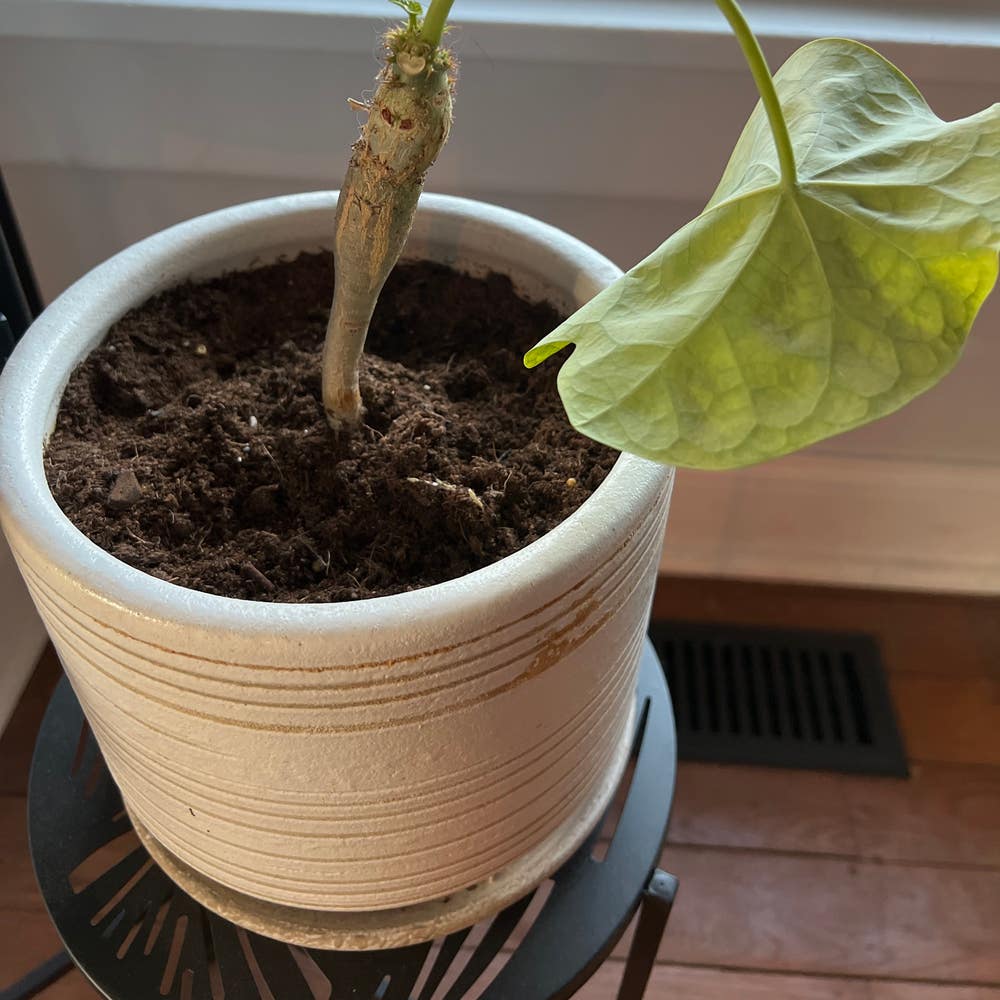
To check if your Physic Nut is living its best life, look for steady growth and that signature vibrant green. Stretching or fading? Time to shuffle it closer to the light or play with curtains to get that light just right.
💡 Artificial Sunbeam Sidekicks
When the real deal is playing hard to get, grow lights are your plant's caffeine shot. Full-spectrum LEDs are the MVPs here, running cool and slicing through energy bills while giving your Physic Nut a taste of the sun.
Set up a light schedule—16 hours on, 8 hours off—to mimic the sun's rhythm. Use a timer to keep things consistent and rotate your plant weekly to avoid a lopsided botanical buddy. Remember, distance matters—too close and you'll fry it, too far and you'll have a light-starved, spindly fiasco.
Flower Power: Light's Role in Physic Nut Blooms
🌼 Timing and Intensity
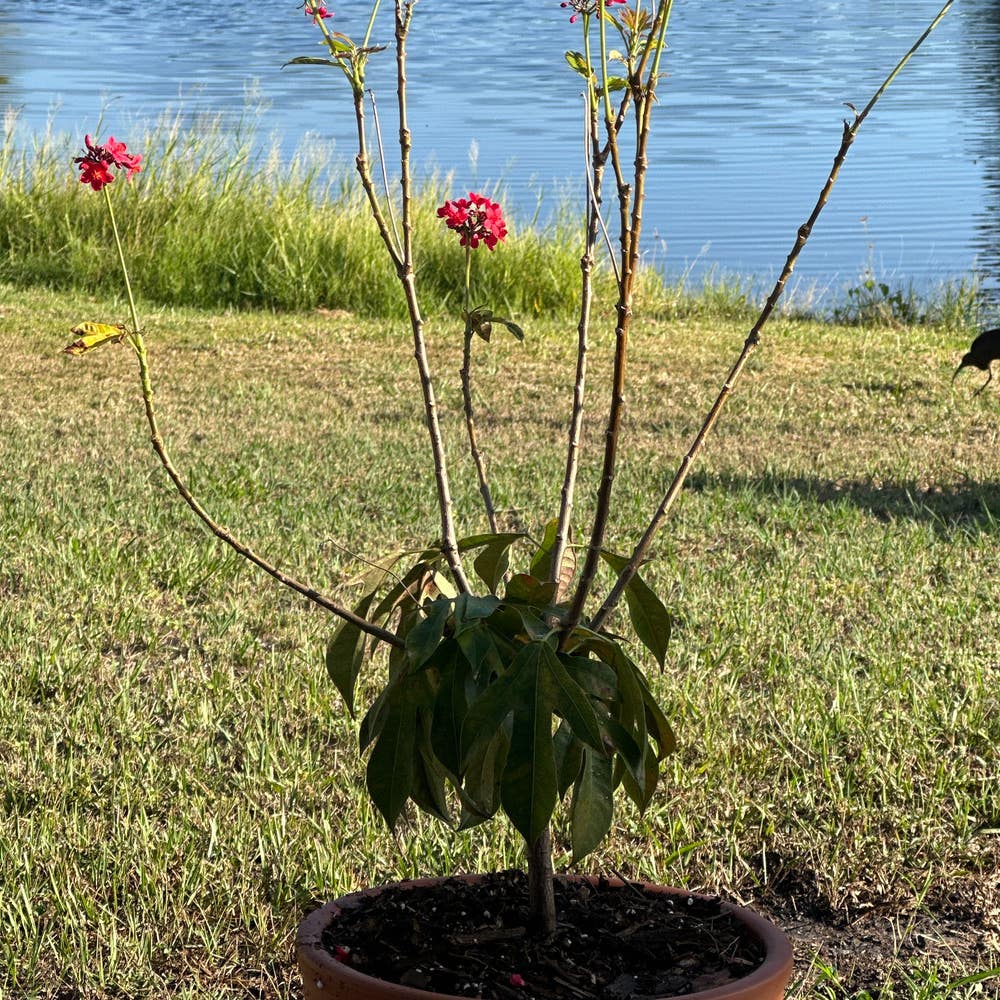
Light duration and intensity are pivotal for the Physic Nut's flowering process. The plant's internal clock responds to the changing lengths of day and night, a phenomenon known as photoperiodism. To trigger blooming, ensure your Physic Nut receives a consistent light schedule.
Adjusting light to encourage blooming involves a bit of finesse. If your Physic Nut is indoors and natural light is suboptimal, consider supplementing with grow lights. LEDs that emit red wavelengths can be particularly effective, as they cater to the blooming stage.
Monitor your plant's response to the light adjustments. A healthy, light-induced blush on the leaves is a good indicator that you're on the right track. Keep an eye out for new buds, which signal that your lighting efforts are yielding results.
⚠️ Safety First
This content is for general information and may contain errors, omissions, or outdated details. It is not medical, veterinary advice, or an endorsement of therapeutic claims.
Always consult a qualified healthcare professional before using any plant as food, medicine, or supplement.
Never eat any plant (or feed one to pets) without confirming its identity with at least two trusted sources.
If you suspect poisoning, call Poison Control (800) 222-1222, the Pet Poison Helpline (800) 213-6680, or your local emergency service immediately.
Spotted an error? Please report it here.
With Greg's PlantVision, you can ensure your Physic Nut plants thrive in the perfect light 🌞, adjusting their spot with the seasons for that ideal bloom.