How Do I Know When My Physic Nut Needs Water?
Jatropha curcas
By the Greg Editorial Team
Apr 28, 2024•4 min read
This article was created with the help of AI so we can cover more plants for you. May contain errors. See one? Report it here.
Ensure your physic nut flourishes with savvy watering tips—say goodbye to wilt and rot! 🌱💦
- Drooping leaves and dry soil signal your physic nut is thirsty.
- Use the finger test to check soil moisture before watering.
- Adjust water with seasons: more in summer, less in winter.
Spotting Thirsty Physic Nut Plants
🚰 Visual SOS Signals
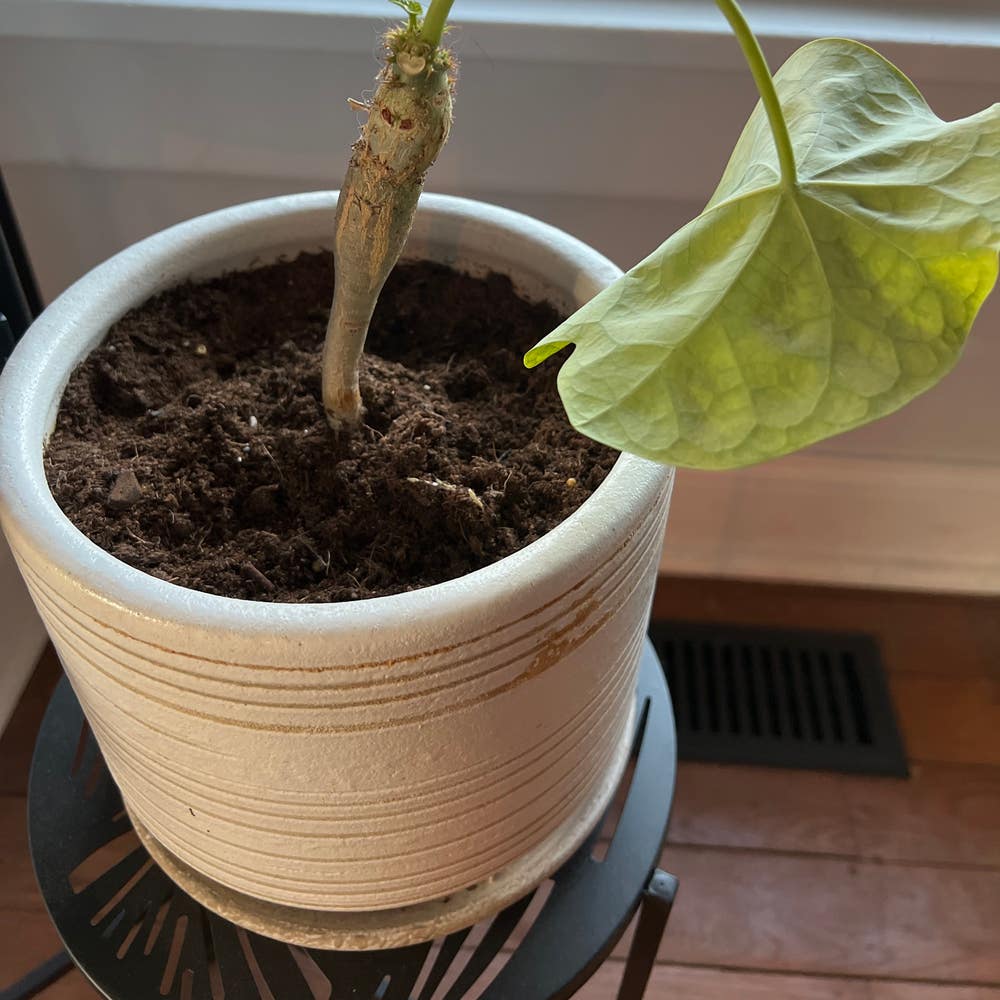
Physic nut plants don't hold back when they're thirsty. Drooping leaves are their way of saying, "Water me, please!" If the soil resembles a barren wasteland, that's another red flag. Your plant is staging a protest and it's time to listen up.
🖐️ Tactile Tests
Forget high-tech gadgets; your fingers are the ultimate moisture meters. Plunge into the soil about an inch deep. If it's dry and your digit comes up clean, it's time to quench your plant's thirst. A pot that feels lighter than your conscience after a good deed? That's a sure sign your physic nut is parched.
Watering Wisdom for Physic Nut
💧 How Much and How Often
Physic nut plants are not your average thirsty houseguests; they prefer a drink only when needed. During the summer growth spurt, they'll need more water, but come winter, they're practically hibernating. Check the soil moisture before watering—dryness a couple of inches down means it's time for a drink. Aim for deep watering to encourage a robust root system, but don't drench the plant so often that it needs a lifeboat.
🚱 The Perils of Overwatering
Overwatering is the silent killer of the physic nut. Root rot is the gruesome result of too much love in the form of H2O. Ensure your pot has drainage holes to let excess water escape. If the soil feels like a wet sponge, hold off on watering and let it dry out a bit. Remember, it's a balancing act—too much water and your plant's roots will be gasping for air.
Adapting to the Seasons
🌞 Summer Sips and Winter Wanes
In summer, the physic nut's thirst ramps up. Heat intensifies evaporation, demanding more frequent watering. Your plant's survival hinges on staying hydrated during these sweltering months.
Come winter, the plant hits the brakes on growth. This slowdown means your watering can should take a breather too. Overwatering now could lead to root rot, a silent killer in the plant world.
🌦 Reading the Weather
Temperature and humidity are the yin and yang of plant care. A spike in either can send your watering routine into overdrive. Conversely, a dip calls for restraint. Stay alert to these shifts; your plant's life may depend on it.
Local climate plays a pivotal role. In arid zones, even a winter's day might not quench your plant's thirst. But in humid havens, you can ease off more often. Let your environment guide you, and tweak your watering strategy accordingly.
Tailoring Watering to Your Plant's Home
💧 Container Considerations
Pot size matters when it comes to watering your physic nut. Larger pots hold moisture longer, reducing the frequency of your watering duties. Conversely, smaller pots dry out faster, demanding more frequent attention. The pot's material is also a player in this game; terra cotta breathes more than plastic, leading to quicker soil drying.
Deep watering is the way to go, ensuring moisture reaches the roots by watering until it escapes through the drainage holes. This encourages a robust root system. Avoid shallow watering, which can lead to a less stable plant.
🌱 In-Ground Insights
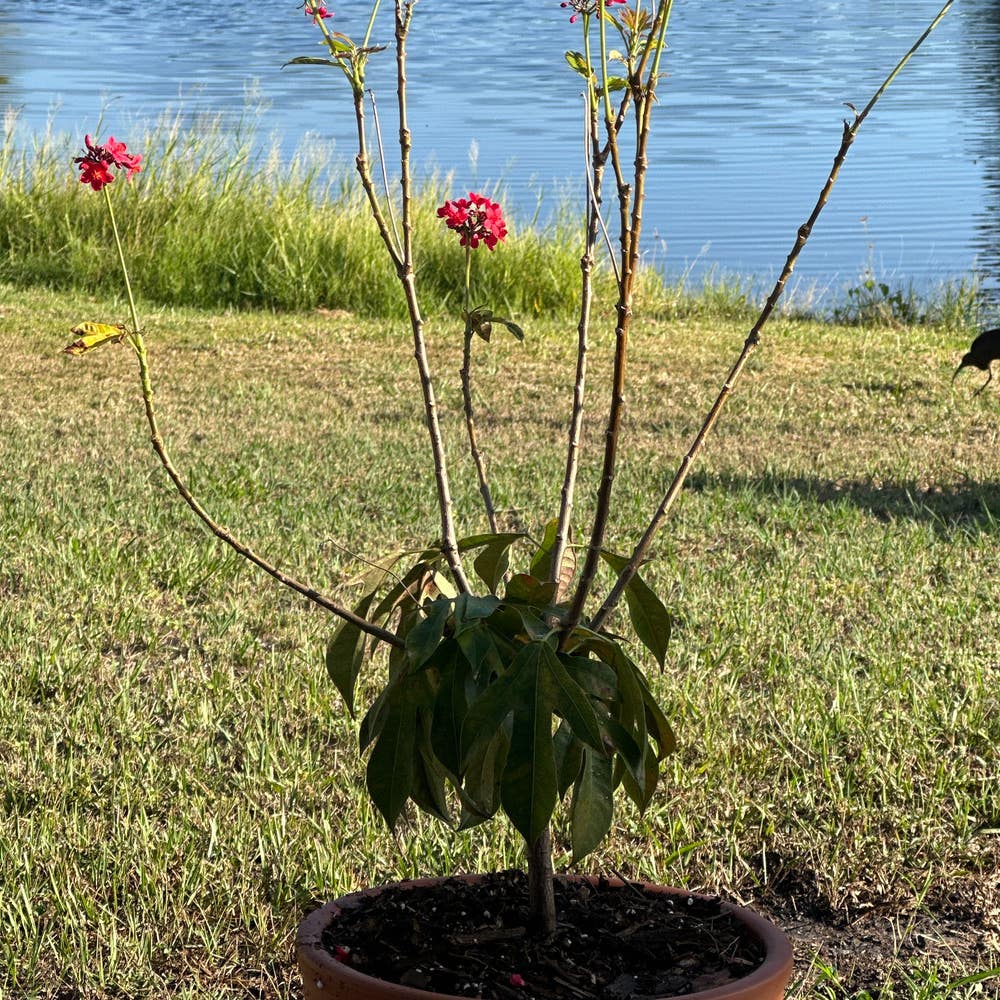
For physic nuts planted in the garden, the rules change slightly. Young plants or recent transplants need consistent watering to establish their roots. Once settled, they can often rely on natural rainfall, but keep an eye on them during droughts or water restrictions.
Soil type plays a role too. Sandy soils drain quickly and may require more frequent watering, while clay soils retain moisture longer. Adjust your watering schedule accordingly, and remember, consistency is your plant's best friend.
Remember, your home environment dictates your plant's thirst. High humidity means less watering; dry air means grab that watering can more often. Keep a daily check during heat waves, possibly twice if your plant is under direct assault from the sun's rays.
⚠️ Safety First
This content is for general information and may contain errors, omissions, or outdated details. It is not medical, veterinary advice, or an endorsement of therapeutic claims.
Always consult a qualified healthcare professional before using any plant as food, medicine, or supplement.
Never eat any plant (or feed one to pets) without confirming its identity with at least two trusted sources.
If you suspect poisoning, call Poison Control (800) 222-1222, the Pet Poison Helpline (800) 213-6680, or your local emergency service immediately.
Spotted an error? Please report it here.
Keep your physic nut perfectly hydrated with Greg's tailored reminders, ensuring you never overlook a thirsty plant during those crucial growth spurts or serene winters. 🌿