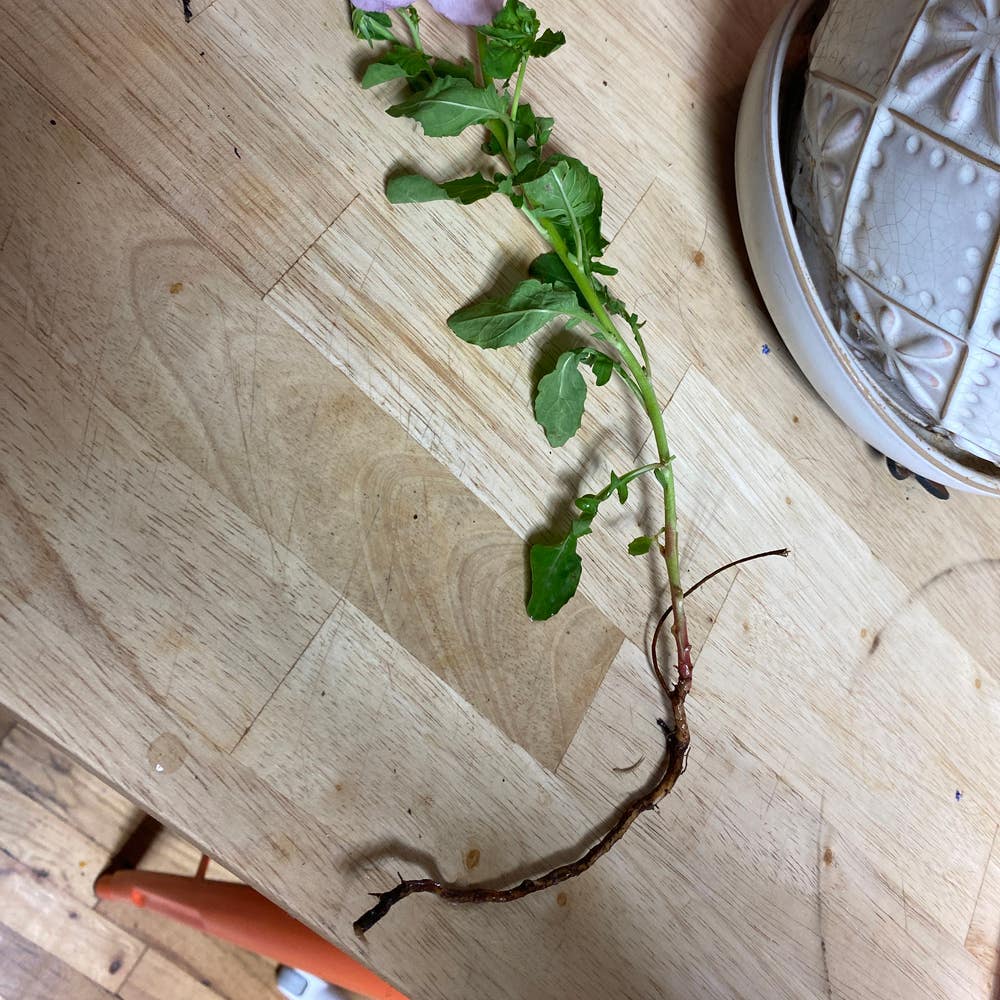
🌼 Full Grown Size of Missouri Primrose
Oenothera macrocarpa
By the Greg Editorial Team
Oct 04, 2024•5 min read
This article was created with the help of AI so we can cover more plants for you. May contain errors. See one? Report it here.
Unlock your garden's potential with Missouri Primrose's stunning size and adaptability! 🌼 Perfect for any landscape design.
- 🌱 Missouri Primrose grows 12-18 inches tall and spreads 18-24 inches, creating a bushy look.
- 🌞 Requires 6-8 hours of sunlight daily for optimal growth and vibrant blooms.
- ✂️ Annual pruning promotes healthier growth and helps control size effectively.
Mature Height and Spread
Typical Dimensions 🌱
Missouri primrose typically reaches a mature height of 12 to 18 inches. Its spread can extend from 18 to 24 inches, creating a lovely, bushy appearance in your garden.
Factors Influencing Size 📏
The height and spread of Missouri primrose can vary significantly based on growing conditions. When compared to other perennial plants in similar habitats, these variations become even more apparent, showcasing the adaptability of this resilient flower.
Understanding these dimensions and factors can help you plan your garden layout effectively. Whether you're aiming for a vibrant border or a focal point, knowing what to expect from Missouri primrose is essential for a successful planting experience.
Growth Rate and Time to Full Size
🌱 Growth Rate
Missouri Primrose has a moderate growth rate, typically reaching its full size within 2 to 3 years. This steady pace allows gardeners to enjoy the gradual unfolding of its beauty.
⏳ Time to Full Size
Understanding the timeline for growth can help set realistic expectations:
- Year 1: The plant focuses on establishing its roots, showing minimal growth.
- Year 2: Expect significant growth, with the plant nearing half of its mature size.
- Year 3: The Missouri Primrose achieves its full grown size, showcasing its vibrant blooms.
🌍 Impact of Environmental Conditions
Environmental factors play a crucial role in growth rates.
- Soil Quality: Well-drained, nutrient-rich soil promotes faster growth.
- Sunlight: Adequate sunlight (6-8 hours daily) enhances growth and flowering.
- Watering Practices: Consistent moisture supports healthy development, while overwatering or drought can stunt growth.
By optimizing these conditions, you can help your Missouri Primrose thrive and reach its full potential. Understanding these elements not only enriches your gardening experience but also prepares you for the next steps in nurturing your plants.
Size Variability Based on Conditions
🌍 Environmental Influences
Soil type and quality play a crucial role in the growth of Missouri Primrose. Well-drained soils promote optimal growth, allowing the plant to thrive and reach its full potential.
In contrast, poor soil conditions can stunt growth and reduce size. If your soil is compacted or lacks nutrients, you might notice smaller plants that don't bloom as vibrantly.
☀️ Sunlight Requirements
Missouri Primrose loves the sun! Full sun exposure, ideally 6 to 8 hours daily, enhances both growth and flowering size.
However, if your plant is in partial shade, you may see reduced dimensions. Less sunlight means less energy for the plant to grow, impacting its overall health.
💧 Watering Practices
Consistent moisture is key to supporting healthy growth. Regular watering helps the plant establish strong roots and encourages lush foliage.
On the flip side, overwatering or drought conditions can negatively affect size. Too much water can lead to root rot, while insufficient moisture can cause stunted growth.
🌡️ Climate Influence on Growth
Regional climate variations also affect the mature height and spread of Missouri Primrose. Warmer climates may promote faster growth, while cooler areas can slow it down.
Understanding your local climate can help you create the best conditions for your plants. Tailoring your care to these factors ensures your Missouri Primrose reaches its full potential.
With a solid grasp of how environmental conditions influence size, you're better equipped to cultivate these beautiful plants. Next, let’s explore the fascinating world of dwarf and giant varieties!
Dwarf and Giant Varieties
Dwarf Varieties 🌱
Dwarf Missouri Primrose varieties are perfect for smaller gardens. They typically reach heights of 6 to 12 inches, showcasing a compact growth habit that makes them ideal for tight spaces.
These varieties not only save space but also add vibrant color without overwhelming your garden. Their petite stature allows for creative landscaping, fitting snugly between larger plants or along borders.
Giant Varieties 🌼
On the other end of the spectrum, giant Missouri Primrose varieties stand tall with impressive blooms. These plants can grow to heights of 18 to 24 inches or more, making them a striking focal point in any garden.
Their larger size often translates to bigger flowers, creating a stunning visual impact. If you're looking to make a statement, these giants are the way to go.
Comparison of Varieties ⚖️
The size variability between dwarf and giant varieties significantly influences landscape design choices. Dwarf varieties are excellent for creating layered effects or filling in gaps, while giant varieties can serve as eye-catching centerpieces.
Choosing the right size for your garden depends on your overall design vision. Whether you opt for compact or towering blooms, both types offer unique benefits that can enhance your outdoor space.
As you consider your options, think about how each variety can complement your existing plants and overall garden aesthetic. This thoughtful approach will ensure a harmonious landscape that reflects your personal style.
Pruning Techniques to Control Size
Importance of Pruning 🌱
Pruning is essential for maintaining the desired size and shape of Missouri Primrose. It not only promotes healthier growth but also enhances the plant's overall appearance.
Recommended Pruning Techniques ✂️
Timing: Pruning is best done in early spring, just before new growth begins. This timing helps the plant recover quickly and thrive.
Techniques:
- Deadheading: Remove spent flowers to encourage bushier growth and prolong blooming. This simple step can make a noticeable difference.
- Cutting Back: Reduce the height by one-third to control size effectively. This technique keeps the plant manageable and visually appealing.
Frequency: Aim for annual pruning to ensure optimal size management. Regular attention helps maintain the plant's health and aesthetics.
Difficulty Level of Pruning 🪴
Pruning Missouri Primrose is easy and accessible for novice gardeners. With just a few simple techniques, anyone can achieve beautiful results.
Incorporating these pruning techniques will not only help control the size of your Missouri Primrose but also enhance its beauty in your garden. Next, let’s explore how environmental factors influence the growth of these lovely plants.
⚠️ Safety First
This content is for general information and may contain errors, omissions, or outdated details. It is not medical, veterinary advice, or an endorsement of therapeutic claims.
Always consult a qualified healthcare professional before using any plant as food, medicine, or supplement.
Never eat any plant (or feed one to pets) without confirming its identity with at least two trusted sources.
If you suspect poisoning, call Poison Control (800) 222-1222, the Pet Poison Helpline (800) 213-6680, or your local emergency service immediately.
Spotted an error? Please report it here.
Unlock the full potential of your Missouri Primrose 🌼 with Greg's tailored watering reminders and growth tips to ensure your garden flourishes beautifully!