🌼 Best Tips for Repotting Missouri Primrose
Oenothera macrocarpa
By the Greg Editorial Team
Oct 04, 2024•5 min read
This article was created with the help of AI so we can cover more plants for you. May contain errors. See one? Report it here.
Transform your Missouri Primrose's health 🌱 by learning to recognize repotting signs and techniques for vibrant growth!
- 🌱 Repot Missouri Primrose when roots emerge or soil dries quickly after watering.
- 🌼 Best time to repot is early spring, before new growth starts.
- 🧰 Gather tools and materials beforehand for a smooth repotting process.
Signs That Missouri Primrose Needs Repotting
🌱 Root Bound Indicators
Recognizing when your Missouri Primrose needs repotting is crucial for its health. One clear sign is roots growing out of the drainage holes; this indicates the plant is cramped and needs more space.
Another indicator is soil that dries out quickly after watering. If you notice stunted growth or reduced flowering, it’s time to reassess the pot situation. Yellowing leaves or wilting, despite adequate watering, can also signal that your plant is struggling.
⏰ Timing for Repotting
Timing is everything when it comes to repotting. The best time to repot your Missouri Primrose is early spring, just before new growth begins. This timing allows the plant to adjust without the stress of blooming.
Avoid repotting during the blooming season. Doing so can disrupt the plant's natural cycle and lead to unnecessary stress, which we want to minimize for a healthy, thriving plant.
By keeping an eye on these signs and timing your repotting correctly, you can ensure your Missouri Primrose remains vibrant and healthy. Next, let’s dive into the step-by-step guide for repotting this beautiful plant.
Step-by-Step Guide to Repotting Missouri Primrose
🛠️ Preparation Before Repotting
Before diving into the repotting process, gather your materials. You'll need a new pot, potting mix, gardening gloves, and your trusty tools.
Choosing the right pot is crucial. Aim for one that is 1-2 inches larger in diameter than the current pot to give your Missouri Primrose room to grow.
🌱 Repotting Process
Start by watering the plant a day before repotting. This simple step reduces stress on the plant and makes the process smoother.
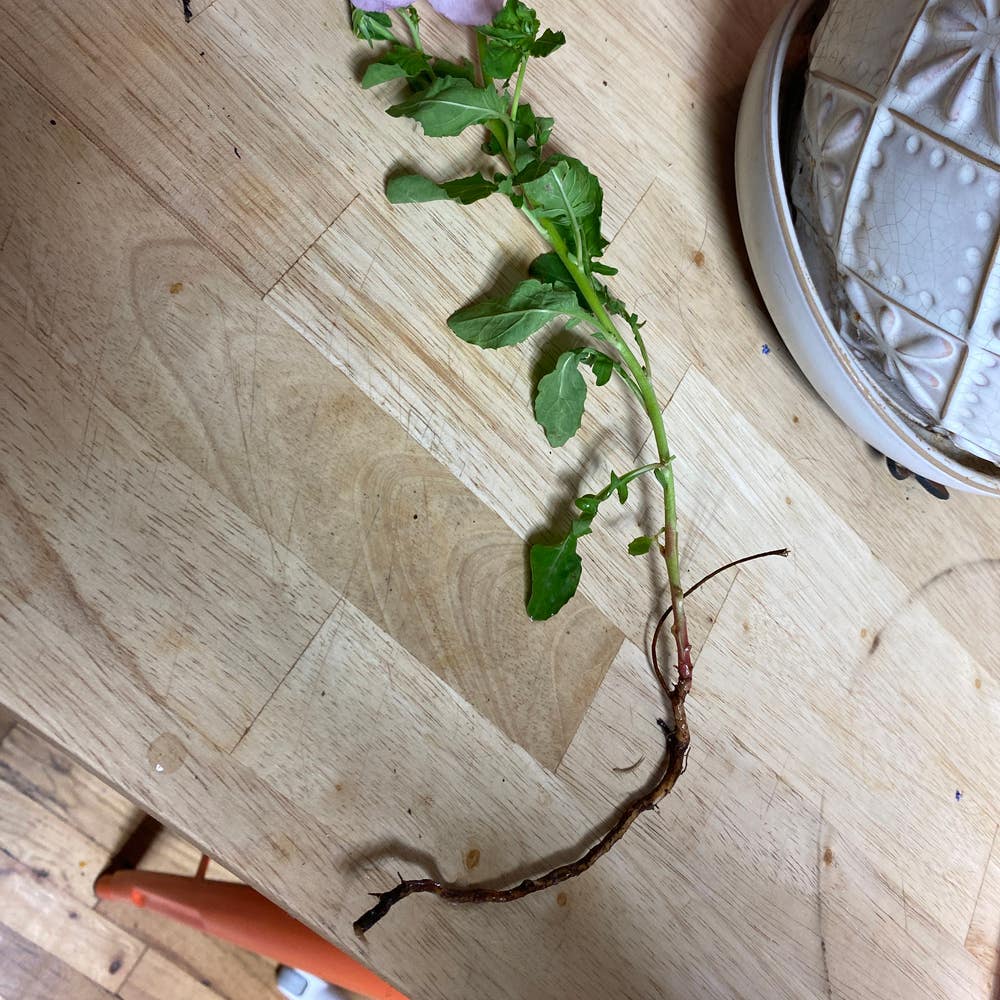
Next, carefully remove the plant from its current pot. Be gentle to avoid damaging the taproot, which is vital for the plant's stability.
Inspect the root system for any signs of rot or disease. If you find unhealthy roots, trim them away to promote better growth.
Now, place a layer of potting mix at the bottom of the new pot. This provides a solid foundation for your plant.
Position the plant in the center of the new pot. Fill around the roots with potting mix, ensuring the roots are well-covered.
Gently press down the soil to eliminate air pockets. This step is essential for ensuring the plant's stability in its new home.
Finally, water the plant thoroughly. This helps settle the soil and gives your Missouri Primrose a fresh start in its new pot.
With these steps, your Missouri Primrose will be well on its way to thriving in its new environment. Next, let’s explore the best pot material options to enhance your plant's growth.
Pot Material Options
Benefits of Terracotta Pots 🌱
Terracotta pots are a gardener's best friend. Their excellent breathability and moisture regulation help prevent overwatering by allowing excess moisture to evaporate.
Pros and Cons of Plastic Pots 🥤
Plastic pots are lightweight and easy to handle, making them a popular choice. However, they retain moisture longer, which can lead to overwatering issues if not monitored closely.
When to Use Ceramic Pots 🍶
Ceramic pots are both attractive and heavy, providing stability for your Missouri Primrose. While they serve decorative purposes well, they may not offer the same drainage benefits as terracotta.
Avoiding Metal Pots 🚫
Metal pots can heat up quickly, posing a risk to your plant's roots. Additionally, their poor insulation can lead to temperature fluctuations that are detrimental to plant health.
Choosing the right pot material is crucial for the health of your Missouri Primrose. Each option has its unique benefits and drawbacks, so consider your plant's needs and your gardening style before making a decision.
Next, let’s explore the ideal soil mix and drainage practices to ensure your primrose thrives in its new home.
Soil and Drainage
Ideal Soil Mix for Missouri Primrose 🌱
For Missouri Primrose, a well-draining potting mix is crucial. Aim for a pH between 6.0 and 7.0, using a blend of sand, perlite, and organic matter.
Importance of Drainage in Repotting 🚰
Good drainage prevents root rot and encourages healthy growth. This is especially vital for the drought-tolerant nature of Missouri Primrose, which thrives in well-aerated soil.
How to Improve Drainage 🛠️
To enhance drainage, consider adding perlite or coarse sand to your potting mix. Additionally, ensure your new pot has adequate drainage holes to allow excess water to escape.
By focusing on the right soil and drainage, you set the stage for a thriving Missouri Primrose. Next, let’s explore the various pot material options that can further support your plant’s health.
Common Repotting Mistakes
💧 Overwatering After Repotting
One of the most common mistakes is overwatering your Missouri Primrose after repotting. Excess moisture can lead to root rot, which is detrimental to your plant's health.
Watch for signs like yellowing leaves and mushy roots. These indicators signal that your plant is struggling, and immediate action is needed.
🪴 Choosing the Wrong Pot Size
Selecting the right pot size is crucial for your plant's growth. A pot that's too large can retain excess water, leading to soggy soil and root issues.
Conversely, a pot that's too small can restrict root growth, stunting your plant's development. Always aim for a pot that is 1-2 inches larger in diameter than the current one.
✂️ Neglecting Root Health During Repotting
Inspecting and trimming damaged roots is essential during the repotting process. Neglecting this step can lead to long-term health issues for your Missouri Primrose.
Be careful not to disturb the taproot system too much, as this can cause unnecessary stress. A little attention to root health goes a long way in ensuring your plant thrives.
By avoiding these common pitfalls, you can set your Missouri Primrose up for success. Next, let's explore the best pot material options to enhance your plant's growth.
⚠️ Safety First
This content is for general information and may contain errors, omissions, or outdated details. It is not medical, veterinary advice, or an endorsement of therapeutic claims.
Always consult a qualified healthcare professional before using any plant as food, medicine, or supplement.
Never eat any plant (or feed one to pets) without confirming its identity with at least two trusted sources.
If you suspect poisoning, call Poison Control (800) 222-1222, the Pet Poison Helpline (800) 213-6680, or your local emergency service immediately.
Spotted an error? Please report it here.
Repot your Missouri Primrose for vibrant blooms 🌼 by using Greg's tailored reminders and expert tips to ensure a smooth transition into its new pot!