🌼 Missouri Evening Primrose: A Comprehensive Overview
Oenothera macrocarpa
By the Greg Editorial Team
Jan 10, 2025•11 min read
This article was created with the help of AI so we can cover more plants for you. May contain errors. See one? Report it here.
Elevate your garden's beauty and biodiversity 🌼 with Missouri Evening Primrose, a resilient plant that thrives in diverse conditions!
- 🌞 Missouri Evening Primrose needs 6+ hours of sunlight for optimal growth.
- 🌱 Ideal soil is well-drained with pH 6.0-7.0; avoid overwatering to prevent root rot.
- 🐝 Attracts pollinators and supports biodiversity, making it a great garden addition!
How to Grow
Choosing a Location 🌞
To thrive, Missouri Evening Primrose needs full sun exposure, requiring a minimum of 6 hours of direct sunlight daily. Additionally, well-drained soil is crucial to prevent root rot, ensuring your plants remain healthy and vibrant.
Soil Preparation 🏜️
Opt for sandy or loamy soil, as these types provide the best drainage and nutrient availability. Aim for a slightly acidic to neutral pH, ideally between 6.0 and 7.0, and consider adding compost to enhance soil fertility.
Planting Techniques 🌱
When planting, sow seeds at a depth of 1/4 inch to ensure proper germination. Space your seeds 12 to 18 inches apart to give them room to spread and flourish.
Watering Requirements 🚰
Initially, keep the soil consistently moist until the plants are established. Once they’re settled in, Missouri Evening Primrose demonstrates impressive drought tolerance, so water sparingly.
Fertilizing Tips 🍽️
A light feeding with a balanced fertilizer in early spring will support healthy growth. Be cautious with nitrogen levels; over-fertilization can lead to leggy plants that struggle to stand upright.
Pruning and Ongoing Care ✂️
Regular deadheading—removing spent flowers—will encourage more blooms throughout the growing season. In late fall, cut back the plants to promote healthy growth for the following year.
Outdoor vs. Container Growing 🏡
For container growing, choose a large pot with drainage holes to prevent water accumulation. Alternatively, outdoor planting in garden beds or naturalized areas allows the Missouri Evening Primrose to thrive in its preferred environment.
Transitioning from planting to propagation, understanding how to effectively reproduce your Missouri Evening Primrose will ensure a flourishing garden for years to come.
Propagation
🌱 Seed Propagation
To propagate Missouri Evening Primrose, start by sowing seeds in the spring after the last frost. Under optimal conditions, you can expect germination within 2-3 weeks, making it a straightforward process for eager gardeners.
✂️ Division of Established Plants
If you have established plants, the best time to divide them is in early spring or fall. Carefully separate the roots and replant them immediately to ensure they thrive in their new locations.
This method not only helps manage plant size but also promotes healthier growth. By understanding these propagation techniques, you can expand your garden with ease and enjoy the beauty of Missouri Evening Primrose in multiple spots.
Next, let’s explore the lifecycle of this resilient plant and what you can expect as it grows.
Lifecycle
Classification 🌱
Missouri Evening Primrose is a perennial plant, meaning it can live for several years. This longevity allows it to thrive in various environments, making it a resilient choice for gardeners.
Stages of Growth 🌿
The growth journey begins with germination, where seeds sprout within 2-3 weeks.
- Seedling Stage: True leaves start to develop, marking the plant's transition to a more established form.
- Vegetative Growth: This phase sees rapid leaf and root development, preparing the plant for future blooms.
- Flowering: Expect vibrant blooms to appear in late spring to summer, showcasing the plant's beauty.
- Seed Production: After flowering, seeds develop, ensuring the cycle continues.
Growth Timeline and Speed ⏳
It takes approximately 2 years for Missouri Evening Primrose to reach its full size.
- Growth Rate: The plant has a moderate growth rate, with flowering typically occurring in its second year.
This timeline reflects the plant's adaptability and resilience, making it a rewarding addition to any garden. As you nurture it, you'll witness its transformation and the beauty it brings to your landscape.
Size
Mature Height and Spread 🌱
Missouri Evening Primrose typically reaches a height of 1 to 2 feet. Under optimal conditions, it can spread up to 3 feet wide, creating a lovely, lush display in your garden.
Growth Rate and Size Variability 📈
This plant has a moderate growth rate, which can be influenced by factors like soil quality and sunlight exposure. Depending on these environmental conditions, the size of the plant may vary significantly.
Impact of Growing Conditions on Size 🌧️
Drought conditions can restrict the growth and spread of Missouri Evening Primrose. Conversely, richer soils tend to enhance its growth, allowing it to flourish and reach its full potential.
Understanding these size dynamics can help you create the ideal environment for your Missouri Evening Primrose, ensuring it thrives beautifully in your garden.
Roots
Type of Root System 🌱
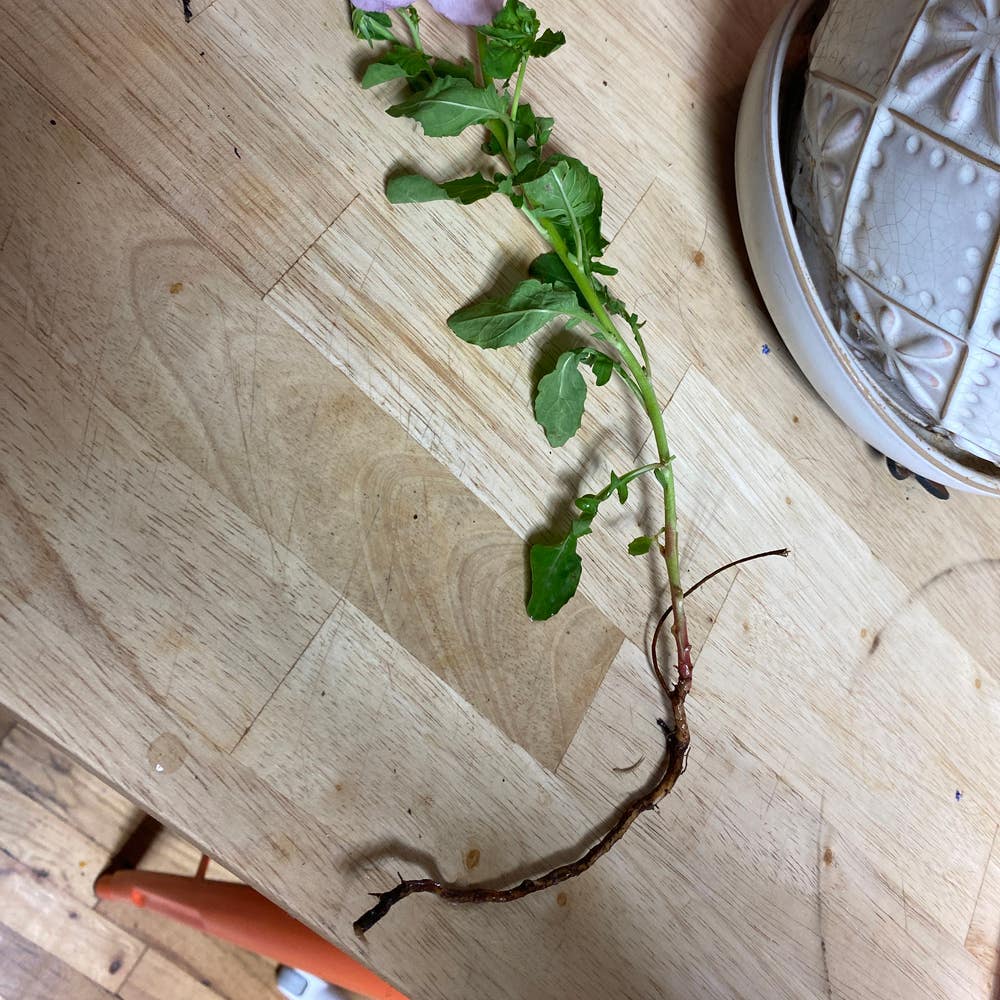
Missouri Evening Primrose features a robust taproot system that can reach depths of up to 2 feet. This deep rooting helps the plant access moisture and nutrients, making it resilient in various conditions.
Root Depth and Spread 📏
Typically, the roots extend 1-2 feet deep, allowing for stability and nutrient absorption. Additionally, they can spread laterally up to 3 feet, which supports the plant's growth and adaptability.
Common Root-Related Issues ⚠️
One common issue is root rot, often caused by overwatering. Signs include mushy roots, which indicate a lack of oxygen and potential plant decline.
Healthy roots are firm and white, while unhealthy roots appear dark and soft. Monitoring root health is crucial for maintaining a thriving plant.
Recognizing Rootbound Plants 🪴
Rootbound plants exhibit clear signs, such as roots growing out of drainage holes or circling the pot. This condition indicates that the plant has outgrown its container and needs more space.
To remedy this, consider repotting into a larger container or dividing the plant. Both solutions will help promote healthy growth and prevent stress on the roots.
Understanding the root system of Missouri Evening Primrose is essential for successful cultivation. With proper care, these plants can thrive and bring beauty to your garden.
Next, let’s explore the various benefits of growing Missouri Evening Primrose.
Benefits
🌍 Ecological Benefits
Missouri Evening Primrose plays a vital role in enhancing biodiversity. Its vibrant blooms attract a variety of pollinators, including bees and moths, which are essential for a healthy ecosystem.
🌼 Aesthetic Appeal
With their bright yellow flowers, these plants add a splash of color to any landscape. They can transform a dull garden into a lively space, making them a favorite among gardeners.
🦋 Attracting Pollinators
Notably, Missouri Evening Primrose blooms at night, drawing in nocturnal pollinators. This unique trait helps support a diverse range of wildlife, enriching the garden's ecosystem.
🌿 Medicinal Uses
Historically, the oil extracted from Missouri Evening Primrose has been valued for its potential health benefits. It is often used in herbal remedies, showcasing the plant's versatility beyond mere aesthetics.
🎨 Cultural Significance
This plant symbolizes resilience and beauty in native landscapes. Its presence serves as a reminder of the natural beauty that thrives in our environment, inspiring appreciation for local flora.
As we explore the various aspects of Missouri Evening Primrose, it's clear that its benefits extend far beyond its visual appeal. Next, we'll delve into the concept of companion planting and how these plants can enhance your garden's health and diversity.
Companion Plants
🌱 Concept of Companion Planting
Companion planting is a gardening strategy that enhances plant growth and health. By pairing compatible plants, you can improve pest management and boost overall garden diversity.
🌼 Best Companion Plants
When growing Missouri Evening Primrose, consider these ideal companions:
- Black-eyed Susan: Thrives in similar sunlight and soil conditions, making it a perfect match.
- Coneflower: Not only attracts the same pollinators but also adds to the visual appeal of your garden.
🚫 Plants to Avoid
Be cautious with heavy feeders like tomatoes. They can compete for nutrients, potentially stunting the growth of your Evening Primrose.
By selecting the right companions, you can create a thriving garden ecosystem that benefits all your plants. This thoughtful approach not only enhances beauty but also promotes a healthier growing environment.
Toxicity to Humans
Missouri Evening Primrose is generally safe for humans and is not listed as toxic by major poison control centers. However, it's wise to be cautious; excessive consumption may lead to mild skin irritation or digestive discomfort.
Always remember that while this plant is mostly harmless, it's essential to exercise caution with any plant. If you experience unusual symptoms after contact or consumption, seeking medical advice is a smart move.
Toxicity to Dogs
Missouri Evening Primrose is considered safe for dogs, as it is not listed as toxic by major pet poison control centers. This means your furry friends can enjoy the garden without the worry of serious health risks.
However, like many plants, excessive consumption can lead to mild gastrointestinal upset. It's always a good idea to keep an eye on your pets and ensure they don't munch on too many leaves.
🐶 Tips for Pet Owners
- Keep Plants Out of Reach: Position your Evening Primrose in areas where dogs can't easily access them.
- Monitor Behavior: If your dog shows signs of discomfort after nibbling on the plant, consult your veterinarian for advice.
By taking these simple precautions, you can enjoy the beauty of Missouri Evening Primrose while keeping your canine companions safe. Now, let’s explore how to tackle common problems that may arise while growing this lovely plant.
Toxicity to Cats
Missouri Evening Primrose is considered safe for cats, as major pet poison control centers do not list it as toxic. However, like many plants, it can cause mild gastrointestinal upset if consumed in large quantities.
🐱 Monitoring Your Cat
To ensure your feline friend stays healthy, keep Missouri Evening Primrose plants elevated or out of reach. This simple precaution helps prevent any potential nibbling and allows you to monitor their behavior around the plant.
🏁 Conclusion
While Missouri Evening Primrose poses minimal risk to cats, it's always wise to be cautious. Keeping an eye on your pets and their interactions with plants can help maintain a safe and happy home environment.
Problems
💧 Incorrect Watering
Watering can make or break your Missouri Evening Primrose. Overwatering is a common issue, leading to yellowing leaves and root rot, which can quickly kill your plant.
On the flip side, underwatering can cause wilting and dry leaves. Finding the right balance is key to keeping your primrose thriving.
💡 Incorrect Light Conditions
Light is another crucial factor for healthy growth. Insufficient light can lead to leggy growth and fewer blooms, robbing your garden of its vibrant beauty.
Ensure your primrose gets at least six hours of direct sunlight each day to flourish.
🦠 Diseases
Diseases can also plague your primrose. Powdery mildew presents as white, powdery spots on leaves, while rust manifests as orange or brown spots on foliage.
Both can weaken your plant and diminish its appeal, so early detection is essential.
🍃 Leaf and Growth Problems
Watch for leaf and growth problems that can signal distress. Scorching, characterized by brown edges on leaves, often results from too much sun exposure.
Conversely, etiolated growth occurs when stems become weak and stretched due to low light conditions. Both issues can hinder your plant's overall health.
🛠️ Solutions for Each Problem
Fortunately, solutions exist for these common problems. Adjust your watering schedule based on soil moisture to prevent both over and underwatering.
Improving air circulation around your plants can help prevent fungal diseases like powdery mildew. With a little attention, your Missouri Evening Primrose can thrive despite these challenges.
Next, let’s explore the common pests that might disrupt your plant's growth.
Bugs
Common Pests 🐜
Missouri Evening Primrose can attract a few pesky insects. Spider mites leave fine webbing and cause stippled leaves, while aphids are small green insects that curl the leaves, making them look unhealthy.
Identification and Damage 🔍
Identifying these pests is crucial for effective management. Scale insects appear as hard, shell-like bumps on stems, while mealybugs create cotton-like masses on leaves and stems, both of which can weaken your plants.
Treatment Options 💊
Combat these pests with effective treatments. Neem oil is a natural solution that works well against many soft-bodied pests, while insecticidal soap is safe for use on flowering plants, ensuring your primrose stays healthy and vibrant.
By keeping an eye out for these common bugs and acting quickly, you can maintain the beauty and health of your Missouri Evening Primrose. Now that you know how to tackle pests, let’s explore the potential problems that can arise in your garden.
What Eats
Common Animals 🦌
Missouri Evening Primrose can attract a variety of hungry critters. Deer are particularly fond of these plants, leaving behind chewed leaves and broken stems as evidence of their feasting.
Rabbits also enjoy munching on the foliage, often resulting in clipped stems and missing leaves. Keeping an eye out for these signs can help you protect your plants.
Signs of Animal Presence 🐾
Identifying animal visitors is crucial for maintaining your garden. Look for tracks and droppings near your Missouri Evening Primrose to confirm their presence.
Additionally, inspect the plants for damage, such as missing leaves or stems that appear nibbled. These clues can help you determine which animals are causing the trouble.
Deterrent Methods 🚫
Preventing these animals from snacking on your plants is essential. One effective method is to install fencing; a barrier of 4-6 feet tall can effectively keep deer at bay.
For rabbits and other smaller animals, consider using repellents. You can choose from commercial options or create homemade sprays to deter them from your precious blooms.
By implementing these strategies, you can enjoy the beauty of your Missouri Evening Primrose without the worry of unwanted visitors.
⚠️ Safety First
This content is for general information and may contain errors, omissions, or outdated details. It is not medical, veterinary advice, or an endorsement of therapeutic claims.
Always consult a qualified healthcare professional before using any plant as food, medicine, or supplement.
Never eat any plant (or feed one to pets) without confirming its identity with at least two trusted sources.
If you suspect poisoning, call Poison Control (800) 222-1222, the Pet Poison Helpline (800) 213-6680, or your local emergency service immediately.
Spotted an error? Please report it here.
Ensure your Missouri Evening Primrose blooms beautifully 🌼 by using Greg's tailored care tips and watering reminders for thriving plants in your garden!