🌼 Missouri Primrose Roots 101
Oenothera macrocarpa
By the Greg Editorial Team
Oct 04, 2024•8 min read
This article was created with the help of AI so we can cover more plants for you. May contain errors. See one? Report it here.
Master Missouri Primrose's unique root system 🌱 to ensure vibrant growth and resilience in your garden!
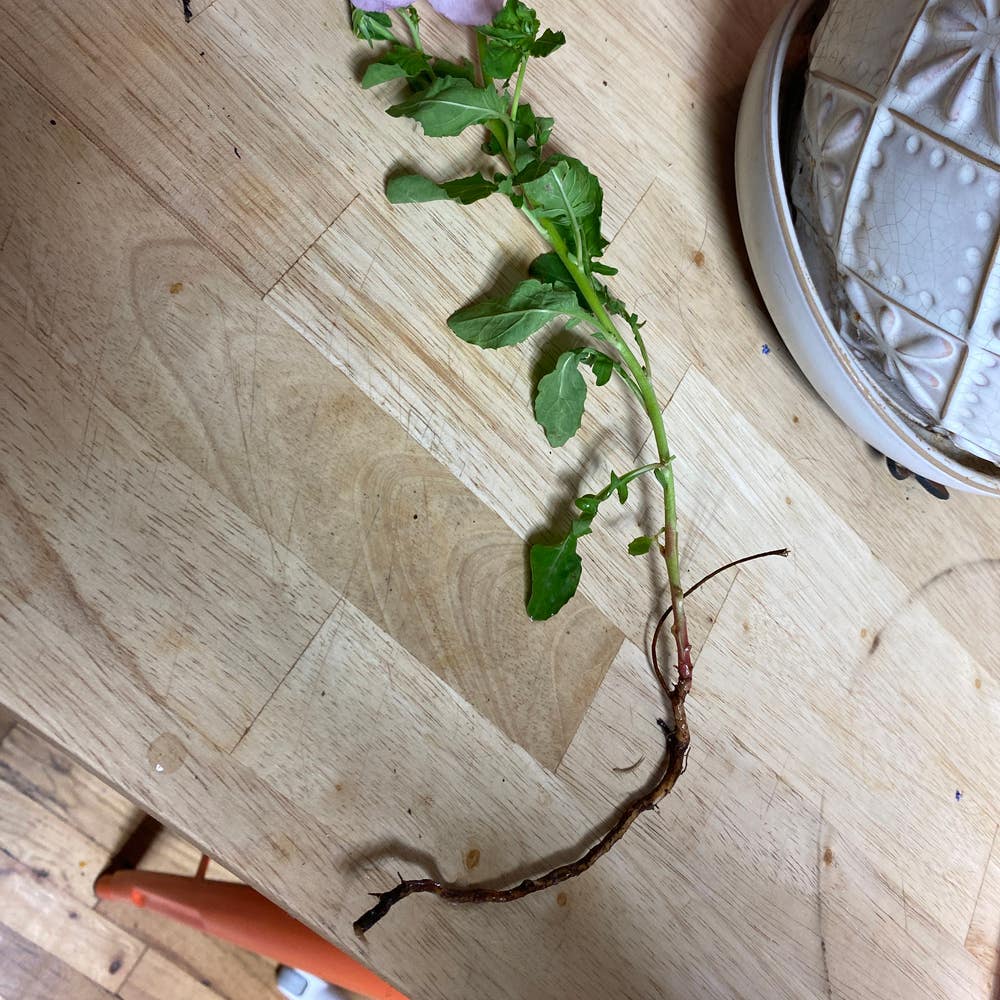
- 🌱 Missouri Primrose has a deep taproot, reaching 12-24 inches for stability and moisture.
- 💧 Avoid root rot by checking soil moisture and ensuring well-draining conditions.
- 🌼 Healthy roots are firm and white; monitor for signs of stress or nutrient deficiencies.
Type of Root System
🌱 Taproot vs. Fibrous Roots
A taproot is a primary root that grows deep into the soil, anchoring the plant and accessing moisture and nutrients from lower layers. In Missouri Primrose, this taproot can be quite robust, often reaching depths that help the plant thrive in various soil conditions.
Compared to fibrous root systems, which spread horizontally and create a dense network near the surface, taproots provide stability and resilience. This unique structure allows Missouri Primrose to withstand drought and other environmental stresses more effectively.
🔍 Specific Characteristics of Roots
The taproot of Missouri Primrose typically ranges from 12 to 24 inches in depth, with a thickness that supports the plant's overall health. This depth not only stabilizes the plant but also allows it to access deeper moisture reserves.
Moreover, the ability of the taproot to spread can extend up to 3 feet in diameter, enhancing the plant's stability. This expansive root system is crucial for efficient nutrient uptake, ensuring that the plant remains healthy and vibrant throughout its growth cycle.
Understanding these root characteristics is essential for successful cultivation and care of Missouri Primrose. As we explore further, we’ll delve into how these roots influence watering and fertilizing practices.
Root Depth and Spread
Typical Root Depth and Spread Patterns 🌱
Missouri Primrose boasts a robust root system, with an average taproot depth ranging from 12 to 24 inches (30 to 60 cm). This deep anchoring allows the plant to access moisture and nutrients effectively, while the roots can spread up to 3 feet (90 cm) in diameter, providing stability and support.
Growth Patterns and Implications for Care 🌿
Understanding the seasonal growth patterns of these roots is crucial for successful cultivation. As temperatures rise in spring, root growth accelerates, necessitating careful soil preparation and thoughtful planting locations.
When designing your garden, consider the importance of space for root expansion. Crowded roots can lead to competition for nutrients and water, ultimately affecting plant health. Ensuring adequate room for growth will foster a thriving Missouri Primrose, enhancing its beauty and resilience.
With a solid grasp of root depth and spread, you're better equipped to nurture this stunning plant. Next, let’s explore how the root system influences watering and fertilizing needs.
Watering and Fertilizing
🌱 How Root System Affects Watering Needs
Understanding the taproot structure of Missouri Primrose is essential for effective watering. Deep watering methods are crucial, as they encourage the taproot to grow deeper into the soil, promoting stability and nutrient access.
To maintain optimal moisture levels, adjust your watering frequency based on soil moisture. Checking the top inch of soil can help determine when to water, ensuring the roots receive adequate hydration without becoming waterlogged.
🧪 Fertilizing Techniques Tailored to Root Health
Choosing the right fertilizers is vital for the health of Missouri Primrose roots. A balanced fertilizer, rich in nitrogen, phosphorus, and potassium, supports robust root development.
Timing is key; fertilize in early spring as new growth begins, and follow up every 4-6 weeks during the growing season. This regular feeding schedule helps maintain nutrient levels, ensuring your plant thrives.
With proper watering and fertilizing techniques, your Missouri Primrose will flourish, setting the stage for healthy growth and resilience. Next, we’ll explore common root-related issues and how to address them effectively.
Common Root-Related Issues
Identifying Common Root Problems 🌱
Root health is crucial for the vitality of Missouri Primrose. One of the most common issues is root rot, often caused by overwatering.
Signs of root rot include a foul smell, mushy roots, and yellowing leaves. If you notice these symptoms, it’s a clear indication that your plant may be drowning.
Nutrient deficiencies can also affect root health. Symptoms include stunted growth, discolored leaves, and poor flowering.
Prevention and Solutions for Root Issues 🛠️
Preventing root problems starts with proper watering techniques. Always check the soil moisture before watering; it should be dry to the touch about an inch down.
Soil management is equally important. Use well-draining soil to prevent water from pooling around the roots.
Improving drainage can make a significant difference. Consider adding perlite or sand to your soil mix to enhance aeration.
Regularly inspect your plants for signs of distress. Early detection can save your Missouri Primrose from serious root-related issues.
By following these best practices, you can ensure your plant remains healthy and vibrant.
Next, we’ll explore how to assess root health indicators effectively.
Root Health Indicators
👀 Visual Cues of Healthy vs. Unhealthy Roots
Healthy roots are a gardener's dream. They should be firm, white, and well-structured, indicating a robust root system ready to support the plant.
In contrast, unhealthy roots present a worrying sight. Look for brown, mushy, or foul-smelling roots, which signal potential problems like rot or nutrient deficiencies.
📊 Other Indicators of Root Health
Beyond the roots themselves, the overall vigor of the plant can reveal a lot. A thriving Missouri Primrose will exhibit strong growth patterns, showcasing its healthy root system.
Regular inspections during repotting or transplanting are crucial. This practice not only helps identify root issues early but also ensures your plant continues to flourish in its new environment.
Understanding these indicators can empower you to maintain a healthy garden, ensuring your Missouri Primrose thrives. With this knowledge, you're better equipped to nurture your plants and enjoy their beauty.
Next, let's explore stress factors and resilience in root systems.
Stress Factors and Resilience
🌱 Role of Roots in Plant Health and Resilience
The taproot of Missouri Primrose plays a crucial role in drought resilience. By reaching deep into the soil, it accesses moisture that surface roots can't, ensuring the plant survives even in dry spells.
Healthy roots are vital for overall plant vigor. They anchor the plant, allowing it to withstand environmental stresses and maintain stability, which is essential for thriving in various conditions.
💧 How Roots Help Withstand Drought, Pests, and Diseases
Missouri Primrose has developed mechanisms for drought resistance. Its robust taproot not only stores water but also helps the plant adapt to fluctuating moisture levels.
During stressful conditions, roots are key to nutrient uptake. They efficiently absorb essential minerals, supporting the plant's health and enabling it to fend off pests and diseases more effectively.
Understanding these aspects of root health can empower gardeners to cultivate stronger, more resilient Missouri Primrose plants. This knowledge sets the stage for better care practices, ensuring your plants flourish despite challenges.
Rootbound Plants
Definition and Recognition of Rootbound Conditions 🌱
A plant is considered rootbound when its roots have outgrown their container, leading to a tangled, constricted mass. In Missouri Primrose, this condition can manifest as stunted growth, wilting, or yellowing leaves, indicating that the plant is struggling for space and nutrients.
Signs of Rootbound Conditions in Missouri Primrose 🚩
Look for roots growing out of the drainage holes or circling tightly around the root ball. If you notice these signs, it’s time to take action to ensure your plant thrives.
When and How to Address Rootbound Issues ⏰
Timing is crucial when addressing rootbound conditions. Early spring is the best time to repot or divide your Missouri Primrose, as it prepares the plant for a growing season.
Step-by-Step Instructions for Addressing Rootbound Conditions 🛠️
- Remove the plant from its pot carefully. Gently loosen the soil around the edges to avoid damaging the roots.
- Inspect the root system for tangling or circling. Identify any areas where roots are tightly wound or damaged.
- Trim any damaged or excessively long roots. Use clean, sharp scissors to make precise cuts, promoting healthier growth.
- Replant in a larger pot with fresh soil. Choose a pot that allows for further root expansion and fill it with nutrient-rich soil.
By following these steps, you can help your Missouri Primrose flourish and avoid the pitfalls of being rootbound. This care will not only enhance its growth but also contribute to a vibrant garden space.
As we move forward, let’s explore how to propagate and divide these resilient plants for even more beauty in your garden.
Propagation and Division
Importance of Root Health in Propagation 🌱
Healthy roots are crucial for successful propagation of Missouri Primrose. They ensure that new plants can establish quickly and thrive in their new environment.
Timing is also key when propagating Missouri Primrose. The best period for propagation is during the spring or early summer when the plant is actively growing.
Techniques for Dividing and Propagating Missouri Primrose ✂️
Dividing established plants is a straightforward process. Follow these steps for effective propagation:
Choose a healthy plant with multiple stems. Look for vibrant foliage and robust growth.
Carefully dig around the root zone to expose roots. Use a spade or garden fork to avoid damaging the roots.
Use a sharp tool to divide the root ball into sections. Aim for sections that have at least one stem and a healthy root system.
Replant sections immediately in suitable soil. Ensure the new planting site has good drainage and is rich in nutrients.
Tips for Ensuring Root Health During Propagation 💧
To maintain root health during propagation, keep the following in mind:
- Water the newly planted sections thoroughly but avoid overwatering.
- Monitor the plants for signs of stress, such as wilting or yellowing leaves.
- Provide adequate spacing to allow roots to expand without competition.
By following these guidelines, you can successfully propagate Missouri Primrose and enjoy its beauty in multiple locations. Next, let’s explore common root-related issues that may arise during the care of these plants.
⚠️ Safety First
This content is for general information and may contain errors, omissions, or outdated details. It is not medical, veterinary advice, or an endorsement of therapeutic claims.
Always consult a qualified healthcare professional before using any plant as food, medicine, or supplement.
Never eat any plant (or feed one to pets) without confirming its identity with at least two trusted sources.
If you suspect poisoning, call Poison Control (800) 222-1222, the Pet Poison Helpline (800) 213-6680, or your local emergency service immediately.
Spotted an error? Please report it here.
Unlock the secrets of Missouri Primrose's roots 🌿 with Greg's personalized watering and fertilization tips, ensuring your plants stay vibrant and healthy!