🌼 Missouri Primrose: Not an Annual
Oenothera macrocarpa
By the Greg Editorial Team
Oct 04, 2024•4 min read
This article was created with the help of AI so we can cover more plants for you. May contain errors. See one? Report it here.
Uncover the vibrant resilience of Missouri Primrose 🌼, a perennial that brightens gardens season after season!
- 🌼 Missouri Primrose is a true perennial, thriving for years with vibrant blooms.
- 🌱 Drought-resistant due to deep taproots, it survives harsh conditions effortlessly.
- 🌍 Misconceptions arise from environmental needs, not the plant's true perennial nature.
Missouri Primrose as a Perennial
🌱 Genetic Characteristics
Missouri Primrose, scientifically known as Oenothera macrocarpa, stands out as a true perennial. Its genetic makeup equips it with resilience and longevity traits, allowing it to thrive year after year.
🌿 Physiological Traits Supporting Perennial Growth
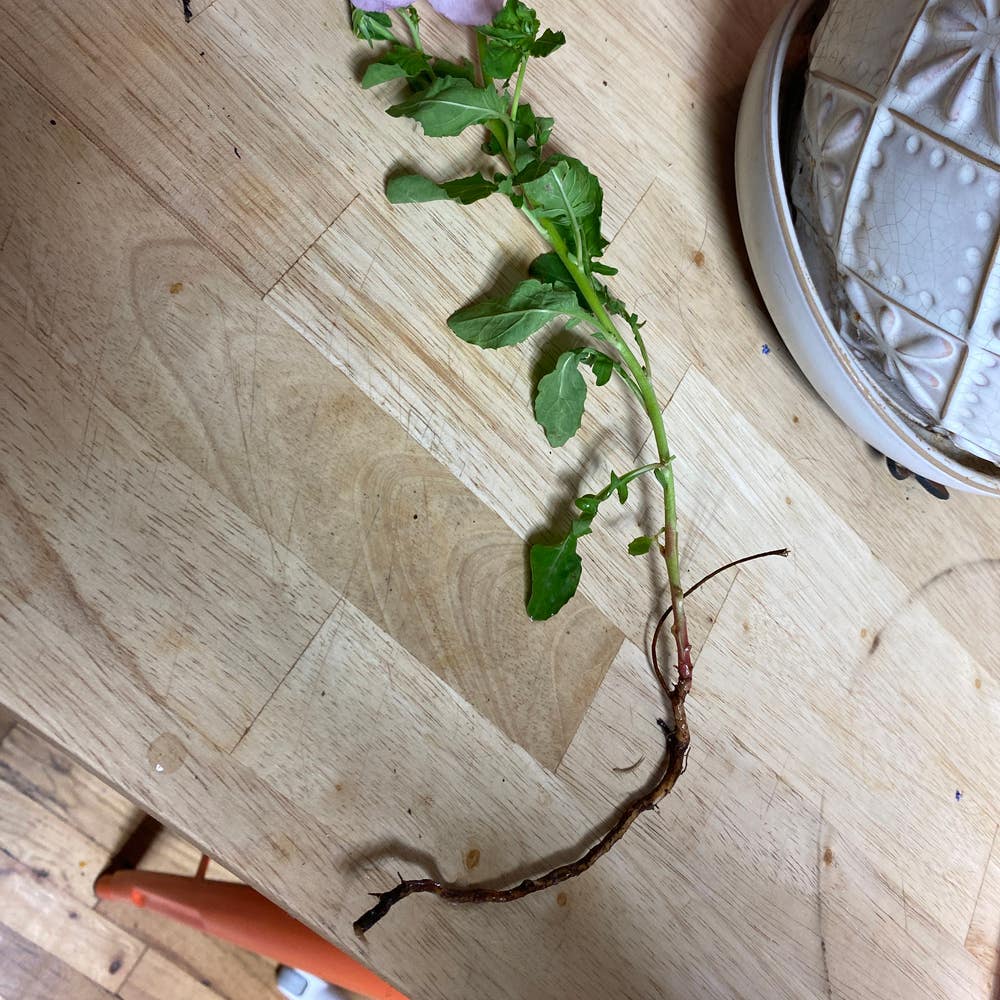
One of the key features of Missouri Primrose is its long taproot. This root system enables the plant to access moisture deep in the soil, making it drought-resistant.
The leaf structure is equally impressive, with rosettes that persist through winter. These adaptations help the plant endure environmental stressors, ensuring its survival even in challenging conditions.
📅 Long-Term Lifecycle and Growth Patterns
Missouri Primrose showcases a seasonal growth pattern, emerging in early spring to display its vibrant flowers. This early bloom sets the stage for a flourishing garden.
Interestingly, the foliage remains intact through winter, providing visual interest even in colder months. The overall growth cycle spans multiple years, with consistent flowering that delights gardeners season after season.
This unique combination of genetic and physiological traits solidifies Missouri Primrose's status as a perennial, making it a valuable addition to any garden. As we explore its reproductive strategies next, we’ll uncover how this plant continues to thrive and spread.
Reproductive Strategies
🌼 Flowering Cycles
Missouri Primrose blooms from early spring to summer, showcasing its vibrant yellow flowers. These blooms open at night, attracting nocturnal pollinators and creating a stunning visual display.
🌱 Seed Production and Dispersal Mechanisms
The seeds of Missouri Primrose are remarkably resilient, remaining viable in the soil for extended periods. They disperse through wind and animal interactions, ensuring the plant's continued presence in various environments.
📊 Comparison with True Annuals
Unlike true annuals, which produce a high quantity of seeds in a single season, Missouri Primrose has a more measured approach. Its lifecycle allows for a longer reproductive window, with distinct differences in timing and strategies that enhance its perennial nature.
Understanding these reproductive strategies not only highlights the uniqueness of Missouri Primrose but also sets the stage for exploring the environmental factors influencing its growth and classification.
Environmental Factors
Conditions Leading to Misclassification 🌱
Misunderstandings about Missouri Primrose often stem from poor soil conditions. Nutrient deficiencies can stunt growth, making it appear less resilient than it truly is.
Inadequate water supply also plays a significant role. Drought conditions can lead to a reduced lifespan, causing gardeners to mistakenly label it as an annual.
Regional Variations Affecting Classification 🌍
Climate impacts are crucial in understanding the growth patterns of Missouri Primrose. Different regions can significantly influence its health and longevity.
Local gardening practices often contribute to misconceptions. Many gardeners may not recognize its true perennial nature, leading to misclassification and improper care.
By addressing these environmental factors, we can better appreciate the resilience of Missouri Primrose and its rightful place in perennial gardens. Next, we’ll explore its reproductive strategies, which further highlight its unique characteristics.
Garden Design Implications
Benefits of Incorporating in Perennial Gardens 🌼
Missouri Primrose brings a vibrant splash of color to any garden with its bright yellow flowers and unique foliage. Not only does it enhance aesthetic appeal, but it also plays a crucial role in attracting pollinators, supporting local ecosystems.
Strategies for Maximizing Longevity 🌱
To ensure your Missouri Primrose thrives, consider companion planting. Pairing it with other perennials can provide mutual support and enhance growth.
Soil preparation is equally important. Aim for well-draining, nutrient-rich soil to promote healthy root development.
Seasonal Considerations for Planting and Maintenance 📅
Timing is key when planting Missouri Primrose. The best seasons for establishing this perennial are spring and early fall.
Maintenance practices should include regular watering, mulching, and a fertilization schedule to keep your plants healthy and flourishing.
With these strategies, you can enjoy the beauty and benefits of Missouri Primrose in your garden for years to come.
Management Tips
🌱 Best Practices for Caring for as a Perennial
Caring for Missouri Primrose requires attention to its specific needs. Ensure consistent moisture without waterlogging, as this plant thrives in well-drained soil.
Fertilization is also key. Opt for organic options to enhance growth and maintain soil health, promoting vibrant blooms.
🌼 Tips for Enhancing Growth and Flowering
To encourage bushier growth and more blooms, consider pruning techniques. Regularly trimming back spent flowers can stimulate new growth.
Pest management is crucial too. Identify common issues early, such as aphids or spider mites, and address them promptly to keep your plants healthy.
❓ Common Misconceptions and How to Address Them
Many gardeners misunderstand the lifecycle of Missouri Primrose, confusing it with annuals. Clarifying its true perennial nature can help prevent premature removal.
Educating fellow gardeners about its characteristics is essential. Highlighting its resilience and beauty can foster appreciation for this unique plant.
With these management tips, you can enjoy the vibrant presence of Missouri Primrose in your garden for years to come.
⚠️ Safety First
This content is for general information and may contain errors, omissions, or outdated details. It is not medical, veterinary advice, or an endorsement of therapeutic claims.
Always consult a qualified healthcare professional before using any plant as food, medicine, or supplement.
Never eat any plant (or feed one to pets) without confirming its identity with at least two trusted sources.
If you suspect poisoning, call Poison Control (800) 222-1222, the Pet Poison Helpline (800) 213-6680, or your local emergency service immediately.
Spotted an error? Please report it here.
Celebrate the resilience of Missouri Primrose 🌼 by using Greg's personalized care reminders to keep your garden thriving and vibrant all year long!