🌼 Ultimate Guide to Root Rot in Missouri Primrose
Oenothera macrocarpa
By the Greg Editorial Team
Oct 04, 2024•5 min read
This article was created with the help of AI so we can cover more plants for you. May contain errors. See one? Report it here.
Master root rot prevention and recovery for your Missouri Primrose 🌱 with these essential tips for thriving plants!
- 🌱 Yellowing leaves and wilting are key symptoms of root rot in Missouri Primrose.
- 🔍 Inspect roots for discoloration and mushiness to confirm root rot diagnosis.
- 💧 Well-draining soil is essential to prevent root rot in Missouri Primrose.
Identifying Root Rot Symptoms
Visual Signs 🌿
Yellowing leaves are often the first sign of stress in Missouri Primrose. This can indicate potential root issues that need immediate attention.
Wilting, even when the plant has been adequately watered, is another key symptom of root rot. This paradox can be alarming, but it’s a clear signal that something is wrong below the surface.
Stunted growth is a further indication that root rot is affecting your plant's overall vigor. If your Primrose isn't thriving, it may be time to investigate.
Root Examination Techniques 🔍
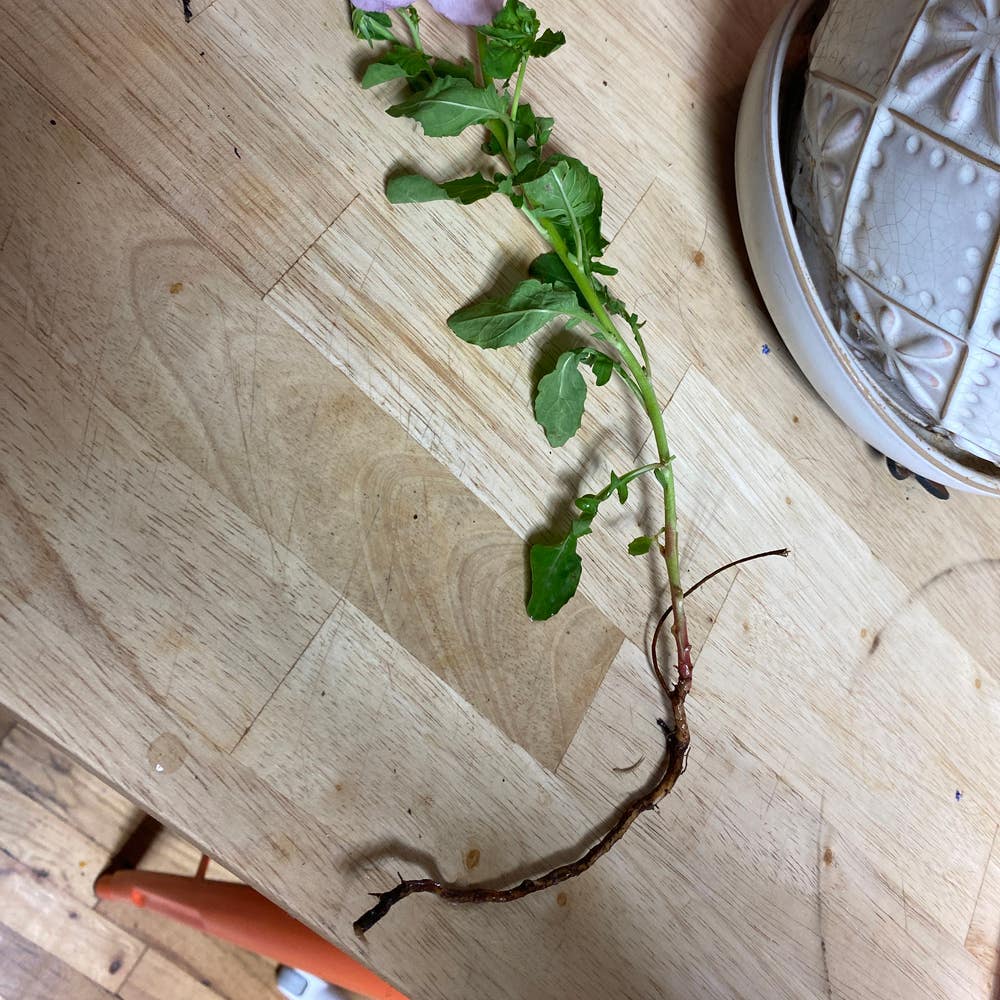
To inspect your plant for root rot, start by safely removing it from the soil. Gently loosen the soil around the roots to avoid causing additional damage.
Once out, look for unhealthy roots. Signs of decay include discoloration and a mushy texture, which are clear indicators of rot.
Don’t forget to check the taproot system for damage. This central root is crucial for the plant's stability and nutrient uptake.
Distinguishing from Other Issues 🧐
It's essential to differentiate root rot from other common Primrose diseases. Symptoms can overlap, so careful observation is key.
Look for signs of nutrient deficiency, which may present differently than root rot. A thorough diagnosis is vital before jumping into treatment; misdiagnosis can lead to ineffective solutions.
Understanding these symptoms will empower you to take the right steps for your Missouri Primrose. Next, let’s explore how to prevent root rot from occurring in the first place.
Preventing Root Rot
🌱 Importance of Soil Drainage
Well-draining soil is essential for Missouri Primrose. It prevents water from pooling around the roots, which can lead to root rot.
To enhance drainage in your garden beds, consider incorporating organic matter like compost or using raised beds. These solutions promote better airflow and moisture control.
🏺 Best Soil Types
Loamy soils are ideal for healthy Primrose growth. They provide a balanced mix of sand, silt, and clay, ensuring good aeration and drainage.
Aim for a pH level between 6.0 and 7.0 for optimal root development. This range supports nutrient availability and overall plant health.
💧 Watering Practices
Establishing a consistent watering routine is crucial. Aim to water your Primrose when the top inch of soil feels dry, typically every 1-2 weeks.
To check soil moisture, use a moisture meter or simply insert your finger into the soil. This simple technique helps you avoid overwatering.
🍂 Seasonal Care Tips
In spring, prepare your garden by amending the soil and checking drainage systems. This proactive approach sets the stage for healthy growth.
During summer, adjust your watering frequency based on rainfall. Monitor the weather and adapt to ensure your plants receive the right amount of moisture.
As fall approaches, focus on preparing your Primrose for winter. This includes ensuring proper drainage to prevent excess moisture accumulation, which can lead to root rot.
By following these preventive measures, you can significantly reduce the risk of root rot in your Missouri Primrose. Next, we’ll explore how to effectively treat root rot if it does occur.
Treating Root Rot
🛠️ Step-by-Step Treatment Process
Identifying the severity of root rot is crucial. Start by assessing how much of the root system is affected.
Next, carefully remove the plant from the soil. Gently loosen the soil around the roots to avoid further damage.
Once the plant is out, trim away any affected roots using sterilized tools. This helps prevent the spread of pathogens.
Dispose of contaminated soil and debris properly. This step is essential to avoid reinfection.
💊 Recommended Treatments
For effective treatment, consider using fungicides specifically designed for root rot. These can help eliminate harmful fungi and promote healthier roots.
Alternatively, explore natural remedies. Beneficial microbes can combat fungal infections and restore balance to the soil ecosystem.
🌱 Repotting Techniques
Choosing the right pot is vital. Ensure it has adequate drainage holes to prevent water accumulation.
Prepare the soil by mixing in perlite or sand. This enhances drainage and aeration, crucial for healthy root development.
Follow these steps for successful transplanting:
- Fill the new pot with the prepared soil mix.
- Place the plant in the center and fill around the roots.
- Water lightly to settle the soil, ensuring no air pockets remain.
With these techniques, your Missouri Primrose can bounce back from root rot. Transitioning to post-treatment care will ensure long-term health and vitality.
Post-Treatment Care
Monitoring Recovery 🌱
After treatment, keep an eye out for signs of recovery. New growth and improved leaf color are positive indicators that your Missouri Primrose is bouncing back.
Regular checks are crucial to catch any recurring symptoms early. This proactive approach can save your plant from further distress.
Adjusting Care Practices 💧
As your Primrose begins to recover, it’s essential to modify your watering schedule. Adjust based on the plant's recovery status to avoid overwatering or underwatering.
Maintaining optimal soil conditions is equally important. Healthy soil promotes robust growth and helps prevent future issues.
Signs of Successful Recovery 🌼
Look for indicators of health, such as robust growth and vibrant flowers. These signs show that your Primrose is thriving once again.
Implementing long-term care strategies will help prevent recurrence. Consistent attention to soil health and watering practices will keep your plant flourishing for seasons to come.
⚠️ Safety First
This content is for general information and may contain errors, omissions, or outdated details. It is not medical, veterinary advice, or an endorsement of therapeutic claims.
Always consult a qualified healthcare professional before using any plant as food, medicine, or supplement.
Never eat any plant (or feed one to pets) without confirming its identity with at least two trusted sources.
If you suspect poisoning, call Poison Control (800) 222-1222, the Pet Poison Helpline (800) 213-6680, or your local emergency service immediately.
Spotted an error? Please report it here.
Revive your Missouri Primrose and enjoy vibrant blooms 🌼 by using Greg's personalized watering reminders and soil health tips to keep root rot at bay!