Why Missouri Primrose Is A Perennial Plant
Oenothera macrocarpa
By the Greg Editorial Team
Oct 04, 2024•5 min read
This article was created with the help of AI so we can cover more plants for you. May contain errors. See one? Report it here.
Transform your garden with resilient Missouri Primrose 🌱—a low-maintenance beauty that supports local ecosystems!
- 🌼 Missouri Primrose thrives for years, enhancing gardens and supporting local ecosystems.
- 🌱 Deep taproots ensure drought survival, making it resilient in various conditions.
- 🌞 Minimal maintenance needed once established, saving time and resources for gardeners.
Characteristics of Missouri Primrose as a Perennial
🌱 Multi-Year Lifecycle
Missouri Primrose is a resilient perennial that thrives for multiple years, regenerating each season. This plant showcases a fascinating lifecycle that begins with the formation of rosette leaves in its first year.
In the second year and beyond, Missouri Primrose transitions into a flowering phase, producing seeds that ensure its survival and spread. This multi-year lifecycle not only enhances garden aesthetics but also supports local ecosystems.
🌿 Growth Patterns and Root Regeneration
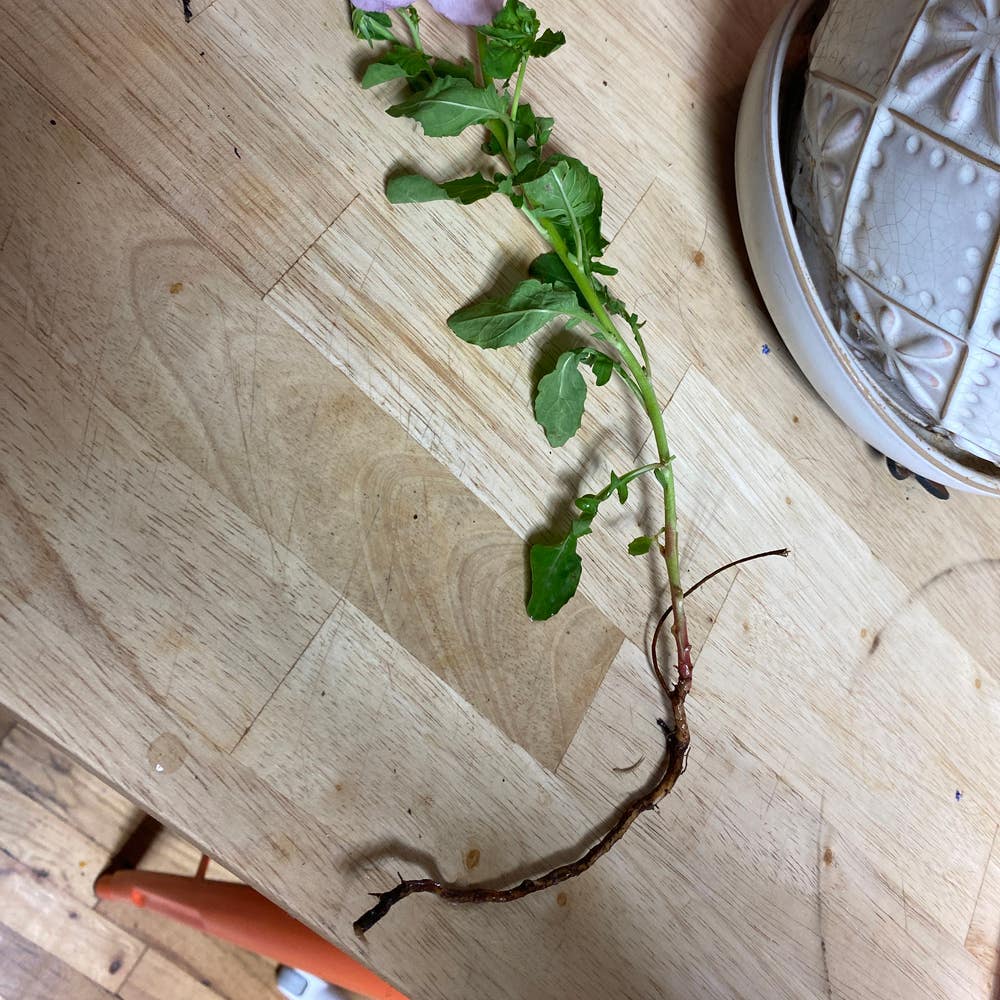
One of the standout features of Missouri Primrose is its deep taproot system. This robust structure allows the plant to access nutrients and survive drought conditions, making it a reliable choice for various garden settings.
Moreover, Missouri Primrose demonstrates impressive regrowth capabilities. Each year, it returns from the same root system, ensuring a vibrant display of blooms without the need for replanting. This characteristic makes it a favorite among gardeners looking for low-maintenance options.
As we explore the seasonal changes and dormancy of this plant, we’ll see how its lifecycle adapts to the environment.
Seasonal Changes and Dormancy
🌙 Dormancy Periods
Dormancy is a natural phase for Missouri Primrose, occurring primarily in winter when the plant halts active growth. During this time, you might notice yellowing leaves and a general reduction in activity, signaling that the plant is conserving energy for the upcoming season.
🌼 Seasonal Changes Affecting Growth and Flowering
As spring arrives, Missouri Primrose awakens from its dormancy, resuming growth with the rising temperatures. This revival leads to stunning evening blooms that attract nocturnal pollinators, typically showcasing their beauty from late spring to early summer.
The cyclical nature of this plant not only adds visual interest to your garden but also supports local ecosystems. Understanding these seasonal changes can help you appreciate the resilience and charm of Missouri Primrose, making it a delightful addition to any perennial garden.
With this knowledge, you're better equipped to plan for the vibrant growth and flowering phases of this remarkable plant. Next, let's explore the advantages of incorporating Missouri Primrose into your gardening strategy.
Advantages for Gardeners
Benefits of Reduced Replanting 🌱
Missouri Primrose is a gardener's dream when it comes to reducing replanting efforts. With its perennial nature, you save both time and resources, allowing you to focus on other aspects of your garden.
This plant supports sustainable gardening practices. Once established, it thrives year after year, making long-term garden planning a breeze.
Importance of Established Root Systems 🌳
The deep taproot of Missouri Primrose plays a crucial role in soil stabilization. These roots help prevent erosion, ensuring your garden remains intact during heavy rains.
Moreover, established roots enhance drought resistance. This means the plant can survive in varying conditions, making it a resilient choice for any garden.
Incorporating Missouri Primrose into your landscape not only beautifies your space but also contributes to a healthier ecosystem. As you plan your garden, consider the benefits of this hardy perennial for a flourishing, low-maintenance environment.
Next, let’s explore the lifespan and longevity factors that make Missouri Primrose such a reliable choice for gardeners.
Lifespan and Longevity Factors
Expected Lifespan 🌱
Missouri Primrose typically enjoys a lifespan of 3 to 5 years. Under optimal conditions, however, it can thrive even longer, making it a resilient choice for gardeners.
Factors Influencing Longevity 🌿
Soil Quality 🏞️
The quality of soil plays a crucial role in the plant's longevity. Well-drained, sandy, or rocky soils are ideal, as they prevent waterlogging and promote healthy root development.
Climate Considerations ☀️
Climate also significantly impacts the health of Missouri Primrose. Variations in temperature and moisture levels can either enhance or hinder its growth, so understanding your local climate is essential for successful cultivation.
By focusing on these factors, gardeners can ensure their Missouri Primrose flourishes for years to come. This longevity not only adds beauty to your garden but also contributes to a sustainable ecosystem.
Next, let’s explore how climate zone variations affect the behavior of this remarkable perennial.
Climate Zone Variations
🌱 Variations in Perennial Behavior
Missouri Primrose is a champion of adaptability. This perennial plant thrives in a variety of conditions, from drought-stricken areas to poor, rocky soils.
Its resilience makes it a favorite among gardeners looking for low-maintenance options. Whether you're in a dry climate or dealing with less-than-ideal soil, Missouri Primrose can flourish.
🌍 Adaptations to Different Growing Conditions
Local climate plays a significant role in how Missouri Primrose grows. In warmer regions, you might notice earlier flowering, while cooler areas may see blooms delayed until late spring.
These regional differences can affect not just the timing of flowers but also their abundance. Understanding your local climate can help you maximize the beauty of this adaptable plant in your garden.
As you plan your garden, consider how these variations can influence your planting strategy. This knowledge will help you create a thriving environment for Missouri Primrose and other plants.
Maximizing Benefits in Garden Planning
🌱 Tips for Utilizing Perennial Nature
Companion planting is a fantastic way to enhance biodiversity in your garden. Pairing Missouri Primrose with other native plants can create a thriving ecosystem that supports various pollinators and beneficial insects.
Strategic placement is equally important. Choose sunny, well-drained areas for optimal growth, as Missouri Primrose flourishes in these conditions. This not only boosts the plant's health but also adds vibrant color to your garden.
📅 Long-Term Cultivation Strategies
Once established, Missouri Primrose requires minimal intervention. Regular watering and occasional weeding are usually sufficient to keep your garden flourishing.
Encouraging self-seeding is another effective strategy. Allowing the plant to spread naturally enhances both the aesthetics and resilience of your garden, creating a beautiful, low-maintenance landscape.
By implementing these tips, you can maximize the benefits of Missouri Primrose in your garden, ensuring a vibrant and sustainable environment. Next, let’s explore the lifespan and longevity factors that contribute to the enduring beauty of this perennial plant.
⚠️ Safety First
This content is for general information and may contain errors, omissions, or outdated details. It is not medical, veterinary advice, or an endorsement of therapeutic claims.
Always consult a qualified healthcare professional before using any plant as food, medicine, or supplement.
Never eat any plant (or feed one to pets) without confirming its identity with at least two trusted sources.
If you suspect poisoning, call Poison Control (800) 222-1222, the Pet Poison Helpline (800) 213-6680, or your local emergency service immediately.
Spotted an error? Please report it here.
Discover the resilience of Missouri Primrose 🌼 in your garden, and let Greg provide tailored watering reminders and care tips to help your perennials thrive effortlessly year after year!