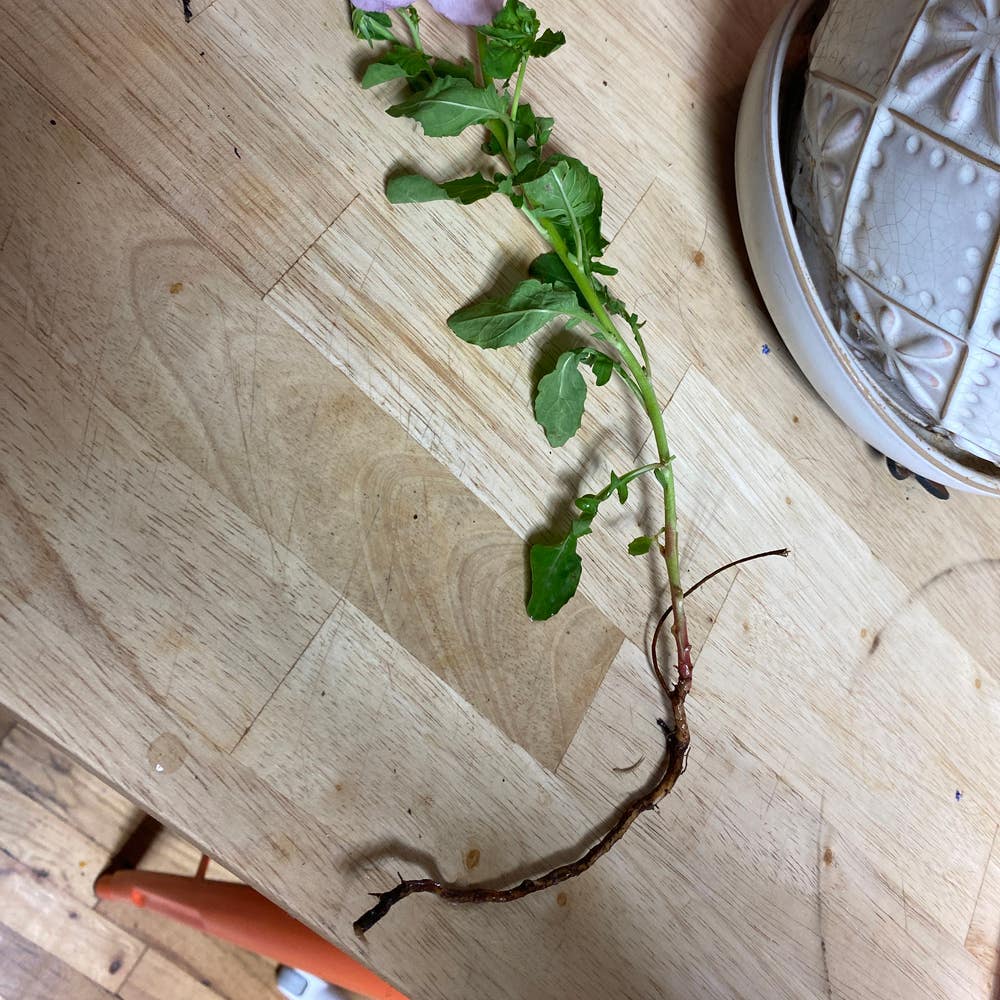
How Do I Fix Lindheimer's Beeblossom Root Rot?
Oenothera lindheimeri
By the Greg Editorial Team
Jan 20, 2024•3 min read
This article was created with the help of AI so we can cover more plants for you. May contain errors. See one? Report it here.
- Yellow leaves and stench signal Beeblossom root rot; early detection is key.
- Prune and adjust watering to treat root rot; use well-draining soil.
- Fungicides and home remedies help combat root rot; proper environment prevents it.
Spotting Trouble: Recognizing Root Rot in Your Beeblossom
🚩 Visual Red Flags
Yellow leaves aren't trying to make a fashion statement; they're crying out for help. If your Beeblossom's leaves are more wilted than a week-old salad, take note—it's a classic distress signal.
Stunted growth is like your plant's hitting the brakes on life. No drama, just a silent SOS that something's not right underground.
👃 Sniffing Out Trouble
If your plant smells worse than last week's leftovers, that's the stench of root decay. Trust your nose; it's a reliable detective when it comes to sniffing out trouble below the soil.
🔍 Early Detection Tactics
Regular check-ups are key. Feel the base of your Beeblossom; if it's as mushy as overripe fruit, it's time to act.
Brown spots or wilting? Don't just stand there—this is your cue to dive into root rot reconnaissance.
Remember, catching root rot early is like catching a typo in a tweet before it goes viral—crucial.
First Aid for Beeblossom: Treating Root Rot ASAP
✂️ Cutting to the Chase
Prune the damaged roots and leaves like you're on a rescue mission. Get rid of any part that's mushy, brown, or smells like last week's forgotten leftovers. Sterilize your tools with religious fervor; think surgeon's scalpel, not garden shears.
💧 Drying Out the Problem
Watering routines need a makeover. Only water when the top inch of soil feels like a dry handshake. Switch to well-draining soil as if your plant's life depends on it—because it does.
Fungus Among Us: Using Fungicides and Home Remedies
💉 Choosing Your Weapon
When your Lindheimer's Beeblossom is under fungal siege, choosing the right fungicide is like picking the perfect arrow for your quiver. Natural options like neem oil and biological fungicides bolster plant defenses with less toxicity. Rotate fungicides to keep those pesky fungi guessing. Always follow the label—those instructions are the gospel truth for plant salvation.
🍹 Home Brews
If you're more of a kitchen alchemist, whip up a DIY remedy. Mix potassium bicarbonate or baking soda with a squirt of liquid soap in water—it's like a comforting pat on the back for your ailing Beeblossom. Cinnamon, chamomile tea, and activated charcoal are the unsung heroes of the natural remedy world. Sprinkle, brew, or mix them into the soil to fend off the fungal hordes. Remember, it's not just about the potion; it's about creating an environment where root rot dares not tread.
Keeping It Dry: Prevention Strategies for Lindheimer's Beeblossom
💧 Water Wisdom
Watering your Lindheimer's Beeblossom is like a stealth mission: precise and calculated. Overwatering is your enemy. Ensure the soil is dry to the touch before giving it another drink. This isn't a plant that enjoys soggy feet.
🏠 The Right Home for Your Plant
Pot selection is critical. Choose one with drainage holes to prevent water from pooling. When it comes to soil, think 'well-draining'. A mix of potting soil with perlite or sand can provide the drainage this plant craves.
🌿 Creating the Ideal Environment
Lindheimer's Beeblossom thrives in conditions that mimic its natural habitat. Aim for a humidity level around 40-50%, avoiding the extremes of a desert or a rainforest. Ensure good airflow around the plant and maintain a consistent temperature to avoid shocking its system.
⚠️ Safety First
This content is for general information and may contain errors, omissions, or outdated details. It is not medical, veterinary advice, or an endorsement of therapeutic claims.
Always consult a qualified healthcare professional before using any plant as food, medicine, or supplement.
Never eat any plant (or feed one to pets) without confirming its identity with at least two trusted sources.
If you suspect poisoning, call Poison Control (800) 222-1222, the Pet Poison Helpline (800) 213-6680, or your local emergency service immediately.
Spotted an error? Please report it here.
Ensure your lindheimer's beeblossom thrives by preventing root rot 🌿 with Greg's custom watering plan tailored to your plant's needs and home environment.