🐝 Why Lindheimer's Beeblossom Is A Perennial Plant
Oenothera lindheimeri
By the Greg Editorial Team
Sep 30, 2024•7 min read
This article was created with the help of AI so we can cover more plants for you. May contain errors. See one? Report it here.
- 🌼 Lindheimer's Beeblossom is a perennial, thriving for years with vibrant seasonal blooms.
- 🌱 Strong root systems ensure regrowth each spring, enhancing garden resilience and aesthetics.
- 🌍 Adaptable to various climates, it reduces replanting needs, saving time and costs for gardeners.
Characteristics of Lindheimer's Beeblossom as a Perennial
🌱 Multi-Year Lifecycle
Lindheimer's Beeblossom showcases a fascinating multi-year lifecycle. It begins with germination, where seeds sprout and develop into young plants.
As the seasons progress, the plant enters distinct phases: growth, flowering, and dormancy. Typically, it flourishes in spring and summer, producing vibrant blooms, before retreating into dormancy during the colder months.
⏳ Timeline of Growth Phases
The growth phases of Lindheimer's Beeblossom unfold over several years. In the first year, you’ll see initial growth and flowering, setting the stage for future blooms.
By the second and third years, the plant becomes more robust, producing even more flowers. This seasonal progression highlights its resilience and adaptability.
🌼 Growth Patterns and Regrowth from Roots
Lindheimer's Beeblossom exhibits unique growth habits each year. It develops lush foliage and striking flowers, creating a stunning display in gardens.
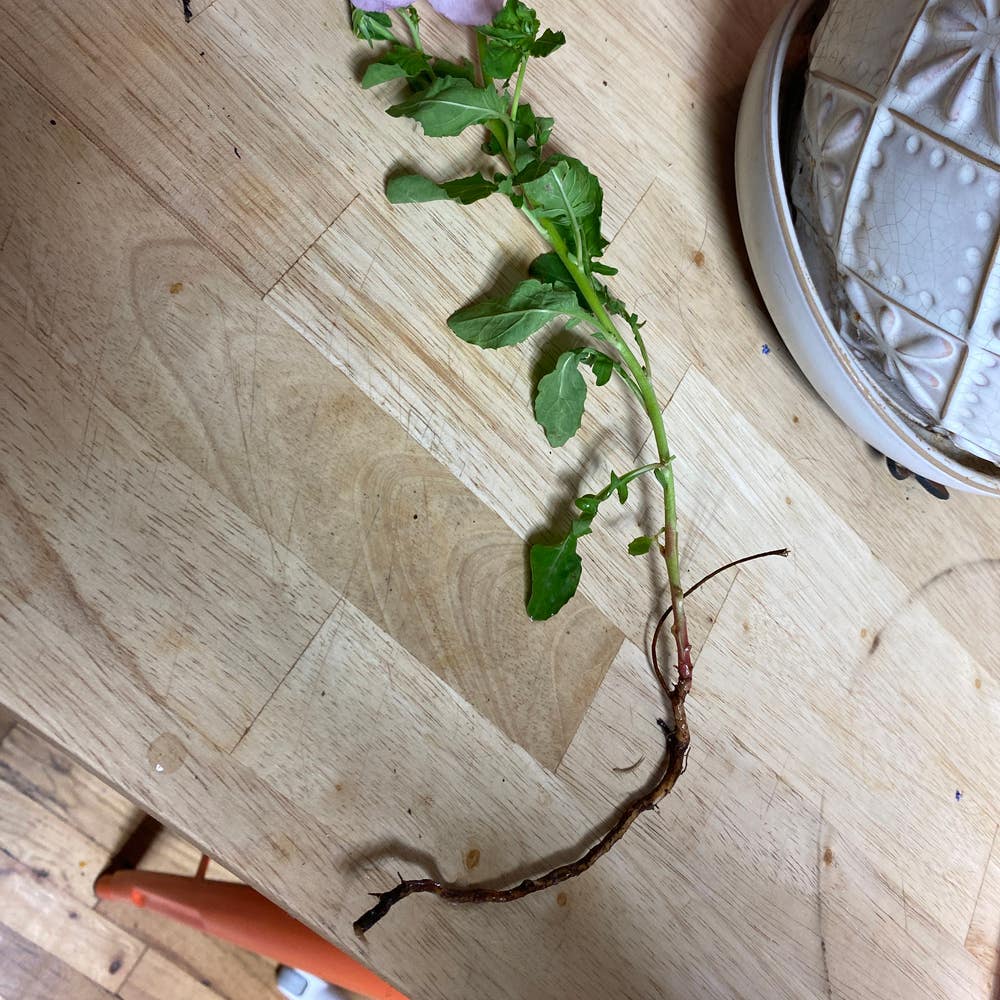
The magic lies in its root system, which plays a crucial role in regrowth. Even after dormancy, the roots store energy, allowing the plant to bounce back vigorously each spring.
🔄 Mechanism of Regrowth
The regrowth mechanism is fascinating. Lindheimer's Beeblossom utilizes its established roots to draw nutrients and moisture from the soil.
This ability not only supports new growth but also enhances the plant's overall resilience. As a perennial, it thrives year after year, making it a reliable choice for any garden.
With a solid understanding of its lifecycle and growth patterns, you're well-equipped to appreciate the beauty and durability of Lindheimer's Beeblossom. Next, we’ll explore the impact of its perennial nature on growth and flowering.
Impact of Perennial Nature
🌼 Effects on Growth and Flowering
Lindheimer's Beeblossom, as a perennial plant, boasts a unique flowering frequency and duration. Unlike annuals that bloom for a single season, this perennial can flower multiple times over the years, providing a vibrant display with each cycle.
Perennials like Lindheimer's Beeblossom often have longer flowering periods. This extended blooming not only enhances garden aesthetics but also supports local pollinators throughout the growing season.
⏳ Overall Lifespan and Longevity Factors
Under optimal conditions, Lindheimer's Beeblossom can thrive for several years. Its longevity is a significant advantage for gardeners seeking lasting beauty in their landscapes.
Several factors influence the lifespan of this perennial. Soil quality, water availability, and climate conditions all play crucial roles in determining how long the plant will flourish. Healthy, well-drained soil and consistent moisture can significantly enhance its vigor and resilience.
Understanding these factors can help gardeners create the ideal environment for Lindheimer's Beeblossom, ensuring it remains a stunning addition to their gardens for years to come.
As we explore the dormancy and seasonal changes of this remarkable plant, we'll uncover how it adapts to varying conditions throughout the year.
Dormancy and Seasonal Changes
🌱 Description of Dormancy Periods
Lindheimer's Beeblossom enters dormancy during the colder months, typically in late fall. This period is essential for the plant's survival, allowing it to conserve energy and resources when conditions are less favorable.
Dormancy usually lasts from late November to early March, depending on the climate. Environmental triggers, such as dropping temperatures and reduced daylight, signal the plant to slow down its metabolic processes.
🍂 Seasonal Changes in Lindheimer's Beeblossom
As the seasons shift, Lindheimer's Beeblossom showcases remarkable adaptability. In spring, it awakens from dormancy, sprouting fresh foliage and vibrant flowers, a true sign of renewal.
Temperature and moisture levels play crucial roles in its growth patterns. Warmer temperatures and adequate rainfall promote lush growth, while extreme heat or drought can slow development, reminding gardeners to monitor their plants closely throughout the year.
This seasonal rhythm not only highlights the plant's resilience but also offers a dynamic display in any garden setting. Understanding these changes helps gardeners appreciate the beauty of Lindheimer's Beeblossom and plan accordingly for its care.
As we explore the advantages of this perennial plant, let's delve into how its characteristics benefit gardeners in practical ways.
Advantages for Gardeners
Benefits of Reduced Replanting 🌱
One of the standout features of Lindheimer's Beeblossom is its perennial nature, which significantly reduces the need for replanting each year. This means less hassle for gardeners, allowing them to enjoy a vibrant garden without the annual chore of starting from scratch.
Not only does this save time, but it also cuts down on costs. Fewer plants to buy each season translates to more money in your pocket, making gardening both budget-friendly and efficient.
Importance of Established Root Systems 🌳
The robust root systems of Lindheimer's Beeblossom offer numerous advantages. These strong roots enhance drought tolerance, allowing the plant to thrive even during dry spells, while also improving nutrient uptake from the soil.
Moreover, established roots contribute to the plant's stability and resilience. This means less worry about plants toppling over in strong winds or heavy rains, giving gardeners peace of mind as they cultivate their green spaces.
Incorporating Lindheimer's Beeblossom into your garden not only simplifies maintenance but also enhances the overall health of your garden ecosystem. As we explore its variations across climate zones, you'll see how adaptable and beneficial this perennial can be.
Variations Across Climate Zones
Differences in Perennial Behavior in Various Climates 🌍
Lindheimer's Beeblossom showcases remarkable adaptability across different climate zones. In warmer regions, it tends to bloom more frequently, producing vibrant flowers that attract pollinators throughout the growing season.
Conversely, in cooler climates, the plant may exhibit a more restrained flowering pattern. This variation highlights its resilience and ability to thrive under diverse environmental conditions.
Factors Influencing Longevity in Different Growing Conditions ⏳
Soil type plays a crucial role in the lifespan of Lindheimer's Beeblossom. Well-draining, nutrient-rich soils promote healthier growth, while compacted or poor-quality soils can stunt its development.
Moisture levels also significantly impact longevity. Consistent watering, especially during dry spells, helps maintain vigor, while extreme drought can lead to stress and reduced lifespan.
Temperature fluctuations further influence the plant's health. In regions with mild winters, Lindheimer's Beeblossom can thrive year-round, while harsher climates may necessitate a dormant period, affecting overall growth.
Understanding these factors can help gardeners optimize conditions for Lindheimer's Beeblossom, ensuring a flourishing perennial that enhances any landscape. As we explore the next section, we'll delve into tips for maximizing the benefits of this resilient plant in your garden planning.
Maximizing Benefits in Garden Planning
🌱 Tips for Long-Term Cultivation
To successfully cultivate Lindheimer's Beeblossom as a perennial, start with proper planting techniques. Choose a location with well-draining soil and full sun exposure for optimal growth.
Soil preparation is crucial. Amend the soil with organic matter to enhance fertility and drainage. This will create a nurturing environment for the roots to thrive.
Watering is another key aspect. Establish a consistent watering schedule, especially during dry spells, to keep the plant hydrated without over-saturating the soil.
🌼 Strategies for Incorporating Lindheimer's Beeblossom in Garden Design
When designing your garden, consider companion planting. Pair Lindheimer's Beeblossom with other perennials that share similar care requirements to create a harmonious landscape.
Think about seasonal interest as well. This plant blooms beautifully, attracting pollinators and adding vibrant color throughout the growing season.
Incorporate it into your garden layout to maximize its visual impact. Use it as a focal point or in clusters to create a stunning display that draws the eye.
By planning thoughtfully, you can enhance not only the beauty of your garden but also its ecological benefits. This approach will ensure that Lindheimer's Beeblossom thrives year after year, enriching your outdoor space.
As you consider these strategies, remember that a well-planned garden can be a source of joy and sustainability. Transitioning to the next section, let’s explore the variations of Lindheimer's Beeblossom across different climate zones.
⚠️ Safety First
This content is for general information and may contain errors, omissions, or outdated details. It is not medical, veterinary advice, or an endorsement of therapeutic claims.
Always consult a qualified healthcare professional before using any plant as food, medicine, or supplement.
Never eat any plant (or feed one to pets) without confirming its identity with at least two trusted sources.
If you suspect poisoning, call Poison Control (800) 222-1222, the Pet Poison Helpline (800) 213-6680, or your local emergency service immediately.
Spotted an error? Please report it here.
Celebrate the vibrant blooms of Lindheimer's Beeblossom each year, and let Greg help you thrive with tailored care tips for a flourishing garden! 🌼