How to Prune Fockea comaru
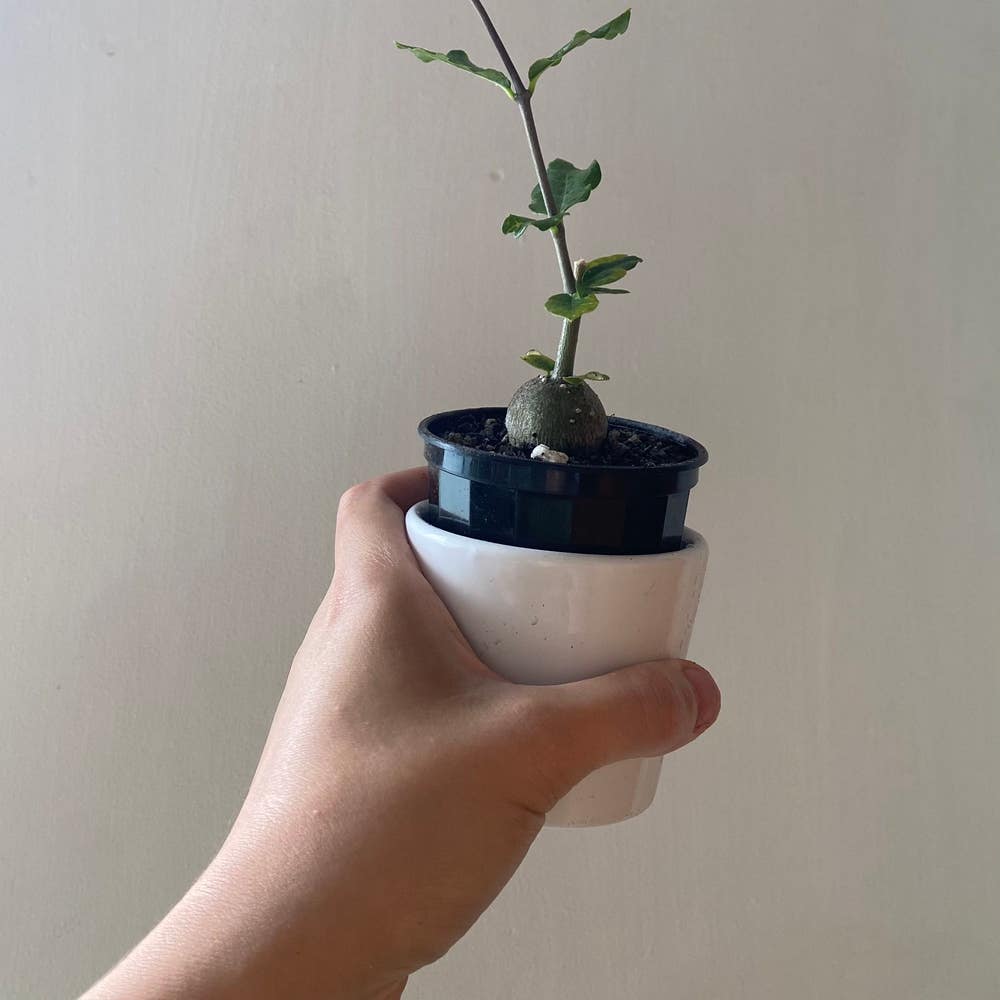
Fockea comaru
By the Greg Editorial Team
Jun 10, 2024•3 min read
This article was created with the help of AI so we can cover more plants for you. May contain errors. See one? Report it here.
Shape a thriving Fockea comaru 🌿 with spring pruning for beauty and growth control in your indoor oasis.
- Spring pruning aligns with Fockea comaru's growth spurt.
- Precise cuts and strategic shaping enhance plant health and aesthetics.
- Post-pruning care includes recovery time and promoting new growth.
Best Time to Grab the Shears
🌱 Seasonal Pruning Insights
Spring is prime time for pruning Fockea comaru. This season syncs with the plant's natural growth spurt, setting the stage for vigorous development. Avoid winter; it's the plant's rest period, and pruning could stress it unnecessarily.
Growth Cycle Cues
Look for new leaves and a general sense of vigor—these are your plant's subtle nods, signaling readiness for a trim. Overgrown leaves and a stretched stem are visual cues; they scream, "It's time for a haircut!" Remember, pruning is a proactive strategy to maintain your plant's health and shape. Always prioritize these signs over the season when deciding to prune.
Pruning Like a Pro
✂️ The Right Cut
To kickstart healthy growth, precise cuts are non-negotiable. Inspect your Fockea comaru for nodes; these are your targets. Slice just above them, as if you're directing traffic, channeling the plant's energy towards branching. Remember, a clean cut heals faster, so keep those shears sharp.
🌿 Shape It Up
Shaping Fockea comaru isn't just about snipping willy-nilly. It's a strategic dance, a bit like editing a manuscript. Aim to enhance its natural form, stepping back now and then to check the silhouette. Trim overgrown areas to maintain aesthetics, but always with an eye on the plant's health.
💀 Dealing with the Dead
Dead or damaged stems? They've got to go. Think of it as decluttering the plant's living space. Remove these promptly to prevent any disease spread. It's like plant surgery—delicate but crucial. And don't leave stubs; they're just pest magnets. Make your cuts close to the main stem, but don't nick it. After all, you're a sculptor, not a lumberjack.
Pruning for Perfection
🌳 Crafting the Ideal Look
Pruning isn't just about keeping your Fockea comaru healthy; it's about visual artistry. To craft the ideal look, start by visualizing the desired shape. Trim overgrown stems and leaves that throw off the plant's balance, aiming for a form that complements its environment. Remember, you're not just a gardener; you're a sculptor, and every snip is a stroke of your chisel.
🌿 Keeping It Under Control
To prevent your Fockea comaru from staging a botanical takeover, consistency is key. Regular maintenance pruning keeps the plant manageable and maintains the aesthetic you've worked hard to create. Think of it as routine maintenance; like changing the oil in your car, it's not glamorous, but it's essential. Keep those shears clean and sharp, and always cut with purpose to maintain control without compromising the plant's natural charm.
After the Snip: Post-Pruning Care
🌱 Healing and Recovery
After pruning your Fockea comaru, ease it into recovery. Skip the watering can right away to prevent any fungal shenanigans at the cut sites. Let the soil go slightly dry, then water just enough to quench its thirst without drowning it. Bright, indirect sunlight will be your plant's best friend during this time, helping it heal without the harshness of direct rays.
🌿 Encouraging New Growth
Once you've navigated the initial recovery phase, it's time to encourage new growth. Stick to a watering routine that lets the soil dry out a bit between sessions, keeping root rot at bay. Hold off on the fertilizer; your Fockea comaru isn't ready for a nutrient party just yet. When new stems and leaves start to show up, that's your cue. A balanced feed can then be introduced to support robust growth. Keep an eye out for any distress signals like drooping or discoloration, and adjust care as needed. Remember, post-prune care is about being attentive and responsive to your plant's needs.
⚠️ Safety First
This content is for general information and may contain errors, omissions, or outdated details. It is not medical, veterinary advice, or an endorsement of therapeutic claims.
Always consult a qualified healthcare professional before using any plant as food, medicine, or supplement.
Never eat any plant (or feed one to pets) without confirming its identity with at least two trusted sources.
If you suspect poisoning, call Poison Control (800) 222-1222, the Pet Poison Helpline (800) 213-6680, or your local emergency service immediately.
Spotted an error? Please report it here.
Prune your Fockea comaru to flourishing elegance 🌿 with Greg's timely reminders and growth tracking, ensuring you snip at the peak of vigor.