Why Is My Fockea comaru Not Doing Well?
Fockea comaru
By the Greg Editorial Team
Jun 10, 2024•6 min read
This article was created with the help of AI so we can cover more plants for you. May contain errors. See one? Report it here.
Revive your Fockea comaru 🌿 and turn plant woes into thriving growth with these essential care adjustments!
- Inconsistent watering? Check soil's top inch; adjust for seasons.
- 🌤️ Partial shade and steady temps between 25-50°F are ideal.
- 🕵️♂️ Monitor and adjust care for pests, diseases, and environmental factors.
When Water Works Against You
💧 Inconsistent Watering
Spotting the Signs
Mushy leaves and a funky smell from the soil are your Fockea comaru's way of waving a white flag. If the foliage looks more like a sad salad than a vibrant plant, it's time to reassess your watering habits.
The Balance Act
Finding the right watering rhythm for Fockea comaru isn't about sticking to a strict schedule. It's about observing and responding to the plant's feedback. If the soil clings to your finger like a needy friend, hold off on the water.
💦 Over-watering vs. Under-watering
Soggy or Parched
Over-watering turns your plant's roots into a mushy mess, while under-watering leaves it as dry as yesterday's toast. Yellow leaves and soggy soil scream over-watering, whereas a parched topsoil and browning leaf tips are cries of thirst.
Tailoring Your Watering
To get back on track, start with the soil's top inch; if it's dry, it's time to water. Remember, less is more during the colder months. Use a moisture meter or the good old finger test to gauge the plant's thirst. And always ensure proper drainage—no one likes wet feet, not even your Fockea comaru.
Light and Temperature: The Delicate Dance
🌞 Irregular Light Exposure
Fockea comaru's leaves are tattletales; they spill the beans about light exposure. If they're dull or reaching out, your plant is light-starved. On the flip side, if leaves are bleached or crispy, it's a sunburnt SOS.
Light it right
Partial shade is this plant's jam. Protect it from the midday sun's wrath. Think of a spot that's like a tree's dappled shade, not a desert at high noon. Adjust the plant's position with the changing angles of the sun to maintain consistent light conditions.
🌡️ Inconsistent Temperature
Fockea comaru isn't a fan of temperature rollercoasters. Too hot or too cold, and you'll see a plant meltdown or a freeze-out.
Keeping it comfy
Aim for steady temperatures within the 25 to 50 °F range. Shield your plant from drafts and heaters like it's a VIP at a club. Remember, consistency is cooler than a cucumber and hotter than a habanero in plant care.
The Unseen Enemies: Pests and Diseases
🐜 Pests
Unwanted Guests
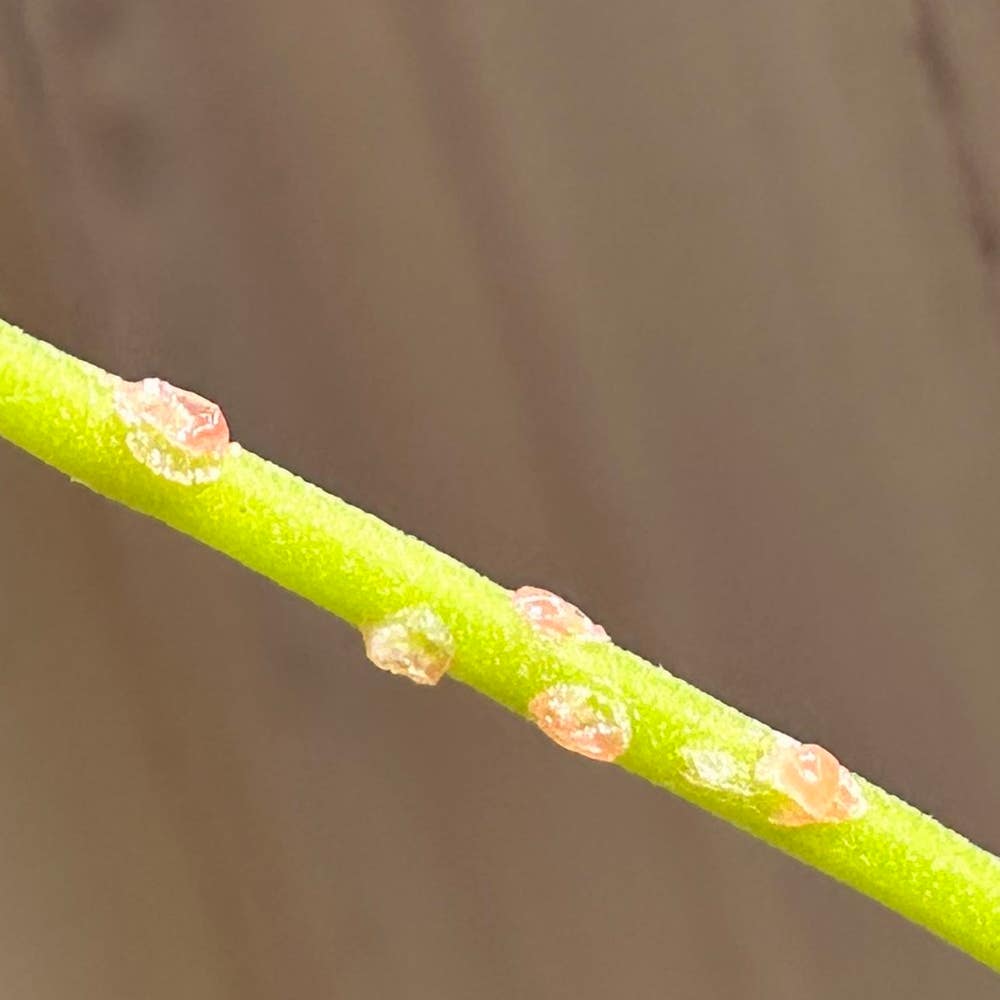
Your Fockea comaru could be hosting a bug banquet without your invitation. Spider mites, mealybugs, and scale insects are the usual suspects in such a scenario. These tiny vampires suck the sap out of your plant, leaving behind a mess of sticky honeydew or fine webbing.
Eviction Notice
To show these pests the door, start with neem oil or insecticidal soap. These are like the polite bouncers of the plant care world. In case of a stubborn infestation, you might need to escalate to chemical pesticides—think of it as calling in the SWAT team. Regular plant check-ups are your security cameras; they help keep the peace.
🍄 Mold, Fungus, and Root Rot
Fungal Foes
If you spot white fuzz or ominous black spots on your Fockea comaru, it's time to sound the alarm. These signs indicate a fungal invasion—a silent party you never wanted. Mold and mildew are the freeloaders that thrive in damp, poorly ventilated spaces.
Root Rot Rundown
Root rot is the plant equivalent of a horror movie's unseen monster. If your plant is wilting and the soil smells like a bog, it's time for a root rescue mission. Remove the plant from its pot, trim away any mushy roots, and repot in fresh, well-draining soil. Remember, prevention is key—ensure proper watering and airflow to avoid fungal gatecrashers.
Leaf Troubles: Scorching and Other Woes
🌞 Leaf Scorching
When your Fockea comaru starts to look like it's on the losing end of a battle with the sun, you've got leaf scorch on your hands. This isn't a look you want for your plant – think crispy, brown edges that scream "I'm too hot!"
🔥 Burn Notice
Leaf scorch is the plant's SOS signal. Excessive light or a drop in humidity can leave your Fockea comaru's leaves looking like they've been through a fryer. If the leaves are sporting brown, crispy patches, it's time to reassess your plant's position and the local environment.
❄️ Cool Down
To prevent your Fockea comaru from turning into a plant crisp, it's crucial to adjust light exposure. If it's getting direct sunlight, consider a new spot with bright, indirect light. Ensure the humidity is on point and water is consistent, without turning the pot into a swamp. Scorched leaves won't revert to their green glory, so snip off the damaged bits to help your plant focus on new, healthy growth.
Revival Roadmap: Bringing Your Fockea comaru Back to Health
🌱 Step-by-Step Guide to Recovery
Reviving your Fockea comaru requires patience and a keen eye for detail. Here's how to start the healing process:
- Assess the Damage: Check for signs of over-watering, under-watering, pests, or diseases. Yellowing leaves or a mushy stem are SOS signals.
- Adjust Watering Habits: If over-watered, let the soil dry out before watering again. For under-watering, establish a consistent schedule without drowning the plant.
- Pest Control: If critters are present, introduce natural predators or apply neem oil as a safer bet than harsh chemicals.
- Disease Management: For fungal issues, remove affected areas and consider a fungicide. With root rot, you might need to repot in fresh, well-draining soil.
- Light and Temperature: Ensure your plant receives bright, indirect light and stays in a comfortable temperature range, avoiding drastic fluctuations.
- Fertilization: Hold off on fertilizing until your plant shows signs of recovery. Then, reintroduce nutrients gradually.
- Pruning: Trim away dead or dying foliage to redirect energy to healthy growth.
📈 Monitoring Progress
Keep a log of your plant's condition and the care you're providing. This will help you track what's working and what isn't. Adjust your care routine as necessary, always observing how your Fockea comaru responds. Remember, recovery won't happen overnight, but with consistent care, your plant can bounce back.
🔄 Adjusting Care
As your Fockea comaru recovers, you may need to tweak your approach. If new issues arise, address them promptly. For example, if you notice new growth is pale, consider whether your plant is getting enough light or nutrients. Stay adaptable and ready to pivot your care strategy for the healthiest outcome.
⚠️ Safety First
This content is for general information and may contain errors, omissions, or outdated details. It is not medical, veterinary advice, or an endorsement of therapeutic claims.
Always consult a qualified healthcare professional before using any plant as food, medicine, or supplement.
Never eat any plant (or feed one to pets) without confirming its identity with at least two trusted sources.
If you suspect poisoning, call Poison Control (800) 222-1222, the Pet Poison Helpline (800) 213-6680, or your local emergency service immediately.
Spotted an error? Please report it here.
Ensure your Fockea comaru flourishes by letting Greg orchestrate 🎼 your plant's care from watering to sun protection, for a symphony of growth and health.