What Are The Bugs on My Fockea comaru?
Fockea comaru
By the Greg Editorial Team
Jun 10, 2024•4 min read
This article was created with the help of AI so we can cover more plants for you. May contain errors. See one? Report it here.
Protect your Fockea comaru's health 🌿 by mastering bug identification and eviction with this essential pest control guide! 🐛
- Spider mites and scale show distinct signs; webbing/stippling and waxy bumps.
- Use neem oil or insecticidal soap for treating most pests effectively.
- Prevent infestations with increased humidity, isolation, and regular plant check-ups.
Spotting Spider Mites Before They Take Over
🕷️ Identifying the Culprits
Spider mites are sneaky pests that can launch a covert operation on your Fockea comaru. Webbing is their graffiti, a clear sign they've tagged your plant as their turf. Look for tiny, discolored stippling on leaves, a result of their munching. If leaves have a speckled appearance or you spot fine silk-like threads, it's time to sound the alarm.
🛡️ Winning the Battle
To reclaim your plant, start with a miticide or neem oil, both are the equivalent of a pest eviction notice. Increase humidity—spider mites hate a moist environment as much as cats hate water. Regularly wipe down leaves to interrupt their webbing shenanigans. And remember, these critters are like bad habits; hard to break without consistent effort. Keep a vigilant eye and act with precision at the first sign of trouble.
Scale: Sticky Foes on Your Fockea comaru
🐞 Unmasking Scale Insects
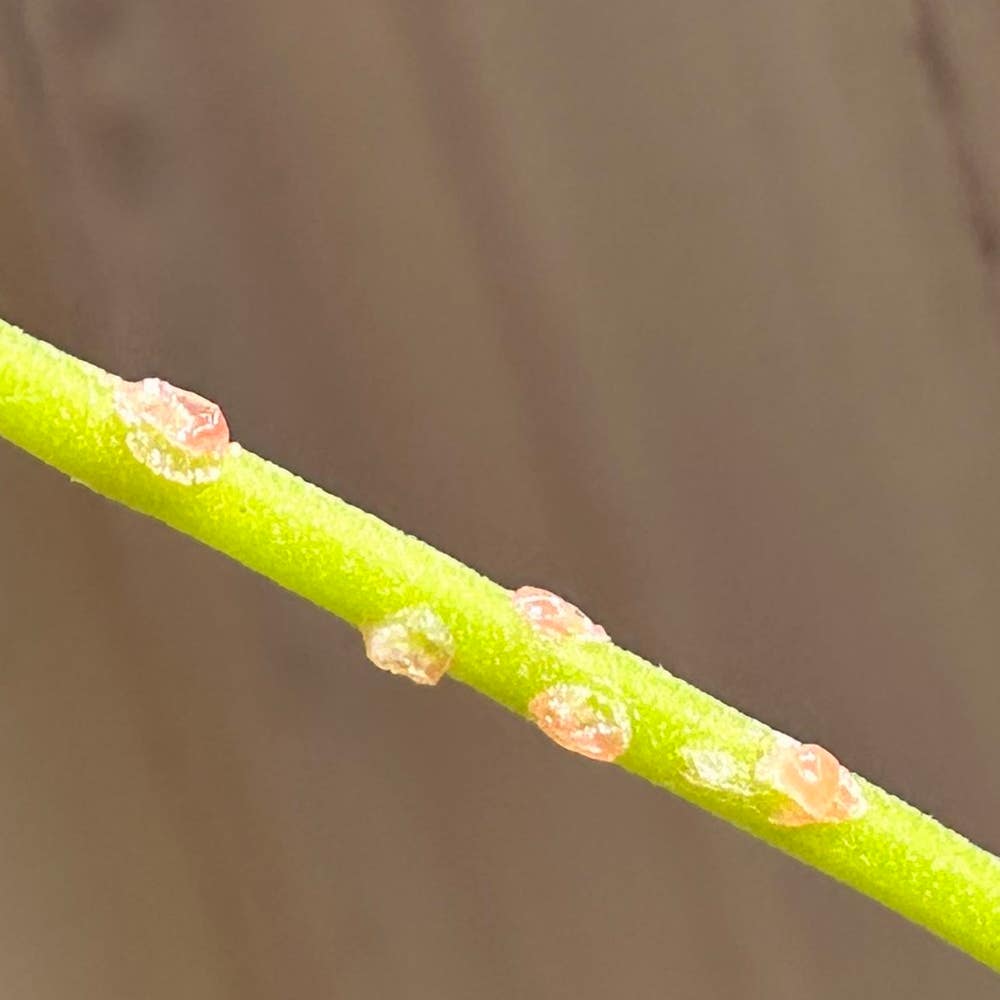
Scale insects are masters of disguise, often mistaken for natural plant features. To spot these pests on your Fockea comaru, look for waxy bumps or shell-like protrusions on leaves and stems. Yellowing leaves and a sticky residue, known as honeydew, are telltale signs of their presence. This honeydew can also lead to sooty mold, compounding the problem.
🛡️ Nipping Scale in the Bud
Immediate action is crucial when dealing with scale insects. For light infestations, physically remove them with a dull knife or fingernail. If the situation is more severe, opt for treatments like neem oil or insecticidal soap, best applied at night to avoid sun damage to your plant. Introducing natural predators such as ladybugs can also help in controlling scale populations.
Prevention is your best defense against scale. Quarantine new plants to prevent introducing these pests into your garden. Regular inspections are essential; catching scale early can prevent a full-blown infestation. Maintain a healthy environment for your Fockea comaru, as a stressed plant is more susceptible to pests. Remember, vigilance and persistence are key to keeping your plant scale-free.
Fungus Gnats vs. Fruit Flies: Clearing the Air
🕵️ Spotting the Difference
Fungus gnats and fruit flies may be miniature pests, but they're not the same headache. Fungus gnats look like tiny mosquitoes and adore your plant's moist soil. Fruit flies, with their distinctive red eyes, prefer to hover around your overripe kitchen fruit. Gnats will do a zig-zag dance near the soil, while fruit flies are more likely to be seen orbiting your fruit bowl.
🚀 Grounding the Flyers
Yellow Sticky Traps
Yellow sticky traps are the unsung heroes here, capturing adult gnats and flies with ease. Place them near your Fockea comaru to cut down the adult population.
Soil Sanitation
For a soil-based clean sweep, mix a hydrogen peroxide solution to disinfect and deter larvae. Remember, overwatering is like a welcome mat for gnats; keep the soil dry to avoid uninvited guests.
Biological Warfare
Unleash beneficial nematodes or predatory mites to wage war against gnat larvae. Or, introduce Beauveria bassiana, a fungus that's basically the bouncer, showing gnats the door.
Insecticides
Insecticides are your last line of defense. If you must, use them sparingly and always follow the label instructions to the letter.
Preventative Measures
Keeping your plant's environment dry and clean is key. Clear away any decaying matter and stick to a strict watering schedule. For fruit flies, secure your trash and compost, and store produce wisely to avoid giving these pests a place to party.
Mealybugs: The White Menace
🕵️ Spotting the Fluffy Invaders
Mealybugs are sap-sucking pests that leave behind a distinctive cottony residue, making them one of the more recognizable threats to your Fockea comaru. Check the undersides of leaves and the nooks where leaves meet stems for white, fluffy accumulations. A sticky honeydew and a subsequent layer of sooty mold are also dead giveaways of these unwelcome guests. Ants may be present too, attracted to the sweet secretions of the mealybugs.
🚫 Eradicating Mealybugs
To tackle a mealybug infestation, start with rubbing alcohol—it's a simple yet effective weapon. Use a cotton swab to apply it directly to the pests. For larger invasions, insecticidal soaps or neem oil are your allies; they work wonders in clearing out these fluffy fiends. Isolation of the affected plant is crucial to prevent the spread to your other green companions. Remember, consistency is key; reapply treatments as directed and maintain regular plant check-ups to ensure these pests don't make a comeback.
Section
⚠️ Safety First
This content is for general information and may contain errors, omissions, or outdated details. It is not medical, veterinary advice, or an endorsement of therapeutic claims.
Always consult a qualified healthcare professional before using any plant as food, medicine, or supplement.
Never eat any plant (or feed one to pets) without confirming its identity with at least two trusted sources.
If you suspect poisoning, call Poison Control (800) 222-1222, the Pet Poison Helpline (800) 213-6680, or your local emergency service immediately.
Spotted an error? Please report it here.
Keep your Fockea comaru pest-free 🌿 with Greg's tailored care reminders and a community of plant lovers ready to help you tackle any bug battle!