Why Are My Fockea comaru Leaves Dropping?
Fockea comaru
By the Greg Editorial Team
Jun 10, 2024•3 min read
This article was created with the help of AI so we can cover more plants for you. May contain errors. See one? Report it here.
Stop the leaf-drop panic 🍂 and revive your Fockea comaru with these essential care tips.
- Under/overwatering? Look for dry, droopy or yellowing leaves and soil condition.
- Temperature matters: Avoid drafts and sudden temperature changes.
- Pest patrol: Inspect regularly and treat with water, alcohol, or neem oil.
When Thirsty Roots Cry Out: ️ Underwatering
Spotting the Thirst Signals
Dry, droopy leaves are the first red flags that your Fockea comaru might be underwatered. When the soil shrinks away from the pot's edges, it's a surefire sign that your plant is thirstier than a marathon runner at the finish line. Crispiness in the leaves and a soil texture that crumbles like a stale cookie should set off your internal plant alarms.
Quenching the Thirst
To properly hydrate your Fockea comaru, water thoroughly but with a gentle hand. Imagine you're pouring a fine scotch—steady and measured. Let the water reach the roots without flooding them, and ensure the pot allows for excess water to drain. This isn't a one-and-done deal; monitor the soil and repeat when the top inch feels dry. Remember, it's about giving your plant a consistent sip, not a gulp.
Drowning in Excess: Overwatering Woes
🌊 The Soggy Signs of Too Much Love
Overwatering can transform a thriving Fockea comaru into a wilted mess. Yellowing leaves and a persistently damp soil are your first clues that you're giving too much H2O. When the pot feels as heavy as your conscience after overindulging, it's a sign that the roots are swimming, not sipping.
🚱 Draining the Dampness
To rescue your waterlogged Fockea comaru, stop watering immediately and let the soil dry. Check the roots; if they're as mushy as week-old fruit, it's time to trim the rot. Consider repotting with fresh, well-draining soil to give your plant a new lease on life. Remember, it's a desert dweller at heart—too much water is like throwing a cactus into a lake.
Feeling the Chill: Environmental Stress Factors
🌡️ Drafts and Drops: Temperature's Toll on Leaves
Fockea comaru isn't a fan of temperature drama. Fluctuations can cause its leaves to bid adieu as a stress response. Drafts from windows or the sudden gusts from air vents can trigger a leafy exodus.
Creating a Cozy Corner
To prevent a leaf-drop performance, stabilize the temperature around your Fockea comaru. Keep it in a spot where the thermostat reads a consistent 65°F to 75°F (18°C - 24°C). Shield it from direct blasts of heat or icy drafts that can turn your plant's life into a rollercoaster it never signed up for. Remember, humidity matters too—aim for that sweet spot that doesn't leave the leaves too crisp or too droopy.
Bug Battles: Pest Infestations and Leaf Drop
🐛 Unwanted Guests: Identifying Pests on Fockea comaru
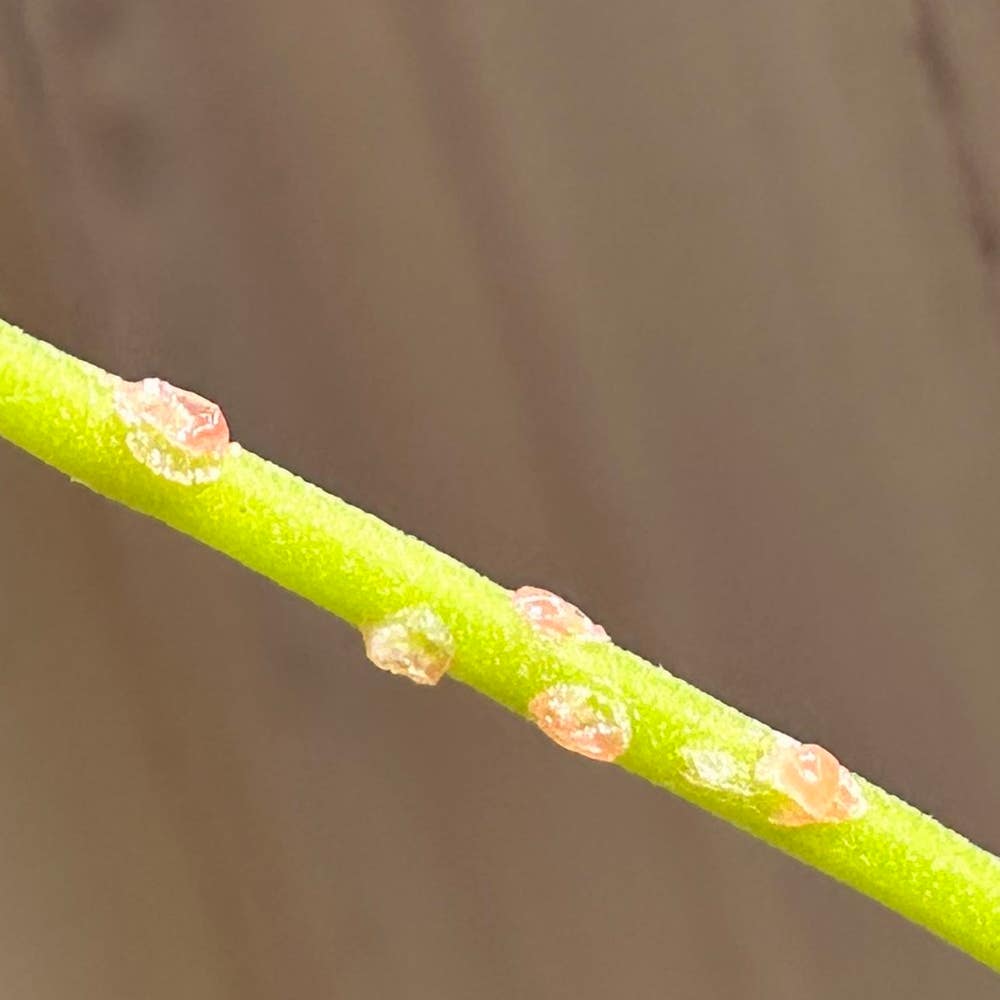
Regular inspections are crucial for early pest detection. Look for tiny webs, speckling on leaves, or a sticky residue—these are red flags. Common pests include spider mites, mealybugs, and scale insects. They're sap-suckers, leaving your Fockea comaru's leaves weak and prone to dropping.
🪄 Evicting Pests
Immediate action is necessary once pests are spotted. Start with a water and alcohol mixture; it's effective and easy to make. Spray with gusto, then wipe down leaves. For scale insects, a soft brush can help dislodge these stubborn critters. Introduce natural predators like ladybugs for a more organic approach. In severe cases, insecticidal soap or neem oil can be used—apply as directed, typically in the cooler hours to avoid leaf burn. Remember, persistence is key; one treatment is rarely enough. Keep at it until your Fockea comaru is pest-free.
⚠️ Safety First
This content is for general information and may contain errors, omissions, or outdated details. It is not medical, veterinary advice, or an endorsement of therapeutic claims.
Always consult a qualified healthcare professional before using any plant as food, medicine, or supplement.
Never eat any plant (or feed one to pets) without confirming its identity with at least two trusted sources.
If you suspect poisoning, call Poison Control (800) 222-1222, the Pet Poison Helpline (800) 213-6680, or your local emergency service immediately.
Spotted an error? Please report it here.
Ensure your Fockea comaru stays perky and pest-free 🛡️ with Greg's custom watering reminders and community-backed solutions from this care guide.