How to Get a Fockea comaru to Bloom
Fockea comaru
By the Greg Editorial Team
Jun 10, 2024•4 min read
This article was created with the help of AI so we can cover more plants for you. May contain errors. See one? Report it here.
Ignite your Fockea comaru's blooming potential with these expert cultivation tips! 🌼✂️
- 🌞 Bright, indirect sunlight is key for Fockea comaru blooms.
- 🌡️ Maintain 65-75°F and 40-60% humidity for optimal flowering.
- ✂️ Prune during dormancy to encourage blooms and plant health.
Creating the Perfect Bloom-Boosting Environment
🌞 Light It Up: Sunlight Needs for Flowering
To trigger blooms in your Fockea comaru, think of light as its personal trainer. Bright, indirect sunlight is the regimen to follow. Too much direct sun is a no-go—it's like throwing your plant into a desert without a hat. If your home is more cave than greenhouse, consider a grow light to keep those sunny vibes coming.
Temperature and Humidity: Getting It Just Right
The sweet spot for temperature is a cozy 65-75°F (18-24°C). Avoid dramatic swings; plants are no fans of weather whiplash. Humidity should hover around 40-60%. Too dry, and your plant thirsts for moisture; too damp, and it's a breeding ground for fungal nightmares. Think of creating a microclimate like crafting a backstage area for a rockstar—everything needs to be just right.
Seasonal Sensitivity: Timing Is Everything
Seasons and day-length are the unsung heroes of bloom cycles. Your Fockea comaru's internal clock is tuned to these natural rhythms. Mimic the dappled sunlight of its native habitat to encourage flowering. Rotate the plant to prevent the botanical equivalent of a lopsided tan, and adjust its position with the changing seasons—shade in the summer, sunny windowsill in the winter.
Feeding Your Fockea comaru for Fabulous Flowers
💡 Nutrient Know-How: The Flowering Menu
To ignite the blooming potential of your Fockea comaru, a balanced diet is key. Phosphorus is your bloom booster, so target fertilizers with a higher middle number in the N-P-K ratio, like a 5-10-10 blend. Start this regimen as the growth phase kicks in, typically in spring, and maintain a bi-weekly schedule.
🍽️ Soil and Supplements: Laying the Groundwork for Growth
Compost is your Fockea comaru's best friend, enriching the soil with a slow release of nutrients and improving soil structure. Additionally, consider organic fertilizer pellets for a steady nutrient supply. Ensure your soil is fast-draining to prevent root rot, which can be a real party pooper for your plant's blooming ambitions.
Pruning and Training: Shaping Your Plant for Success
✂️ Snip and Shape: Pruning for Bloom Production
Pruning your Fockea comaru isn't just about keeping it tidy—it's a strategic move to encourage blooming. The best time to prune is when the plant is dormant, typically in the late winter or early spring. This timing allows the plant to heal and direct energy towards producing flowers.
Make clean cuts above a pair of healthy buds to prevent disease and dieback. It's crucial to use sharp tools for a precise cut, minimizing stress on the plant. Pruning not only stimulates growth but also helps maintain a bushy, compact shape, which is ideal for bloom production.
🌿 Support Systems: Training Your Fockea comaru
Training your Fockea comaru with supports like trellises can promote a healthier blooming plant. Start training when the plant is young and flexible, which allows for easier manipulation and reduces the risk of damage.
Use ties or weave the plant through a support structure to guide its growth. This not only helps the plant maintain its shape but also ensures better air circulation and light exposure, both of which are crucial for blooming. Remember, training is a partnership with your plant—work with its natural inclinations for the best results.
Troubleshooting: When Blooms Are Bashful
🌡️ Stress Factors: Keeping Your Cool for Consistent Blooms
Environmental stress can be a bloom's buzzkill. To prevent your Fockea comaru from becoming a wallflower, monitor its surroundings. Temperature tantrums? Keep the thermometer steady. Humidity hiccups? Aim for consistent moisture in the air. Remember, your plant isn't trying to give you the cold shoulder—it's just sensitive.
🐜 Pest Patrol: Protecting Your Plant's Potential to Flower
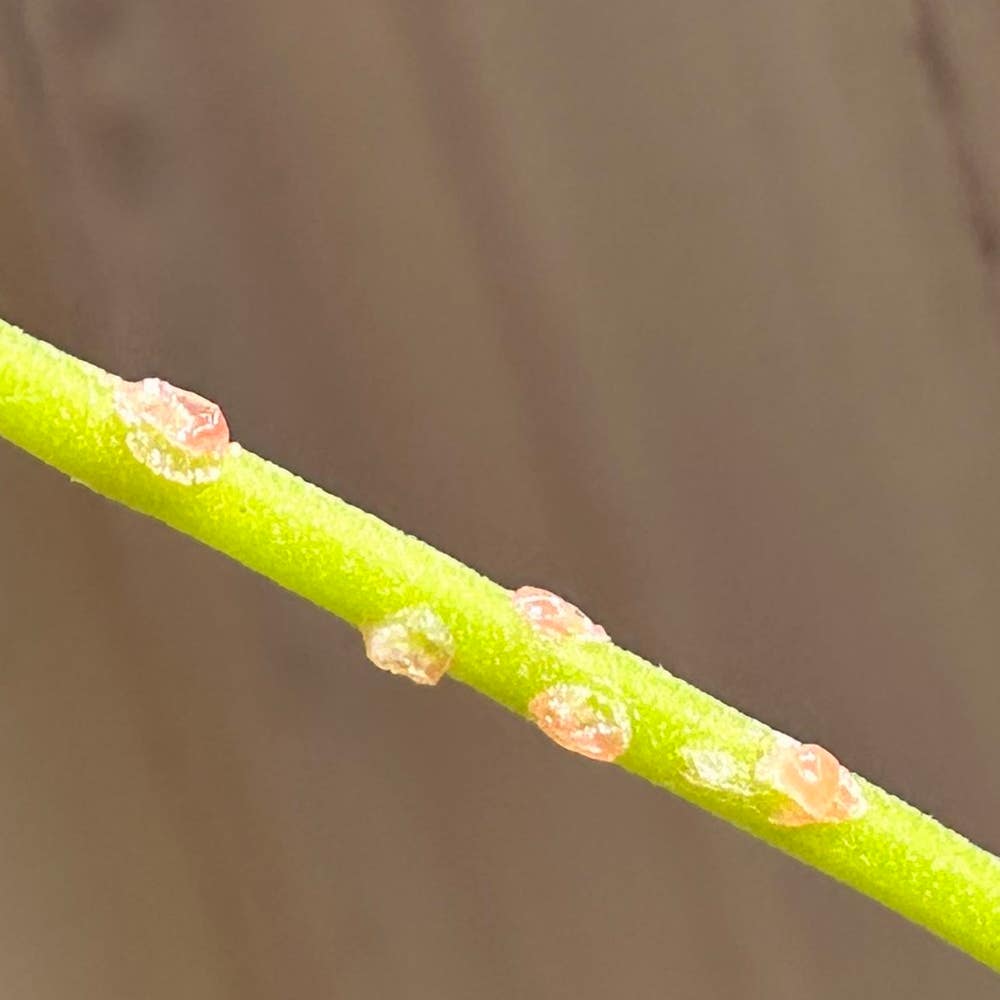
Pests can be party poopers for your plant's flowering fiesta. Aphids, spider mites, and mealybugs are like unwanted gatecrashers. Regular plant check-ups can help you spot these critters before they make a meal of your Fockea comaru's bloom potential. When you do find them, evict them promptly with an appropriate treatment. Keep your plant's social circle clean, and you'll be on your way to bloom town.
⚠️ Safety First
This content is for general information and may contain errors, omissions, or outdated details. It is not medical, veterinary advice, or an endorsement of therapeutic claims.
Always consult a qualified healthcare professional before using any plant as food, medicine, or supplement.
Never eat any plant (or feed one to pets) without confirming its identity with at least two trusted sources.
If you suspect poisoning, call Poison Control (800) 222-1222, the Pet Poison Helpline (800) 213-6680, or your local emergency service immediately.
Spotted an error? Please report it here.
Ensure your Fockea comaru flourishes 🌼 by leveraging Greg's environmental tracking to nail the perfect bloom-boosting conditions from these expert tips.