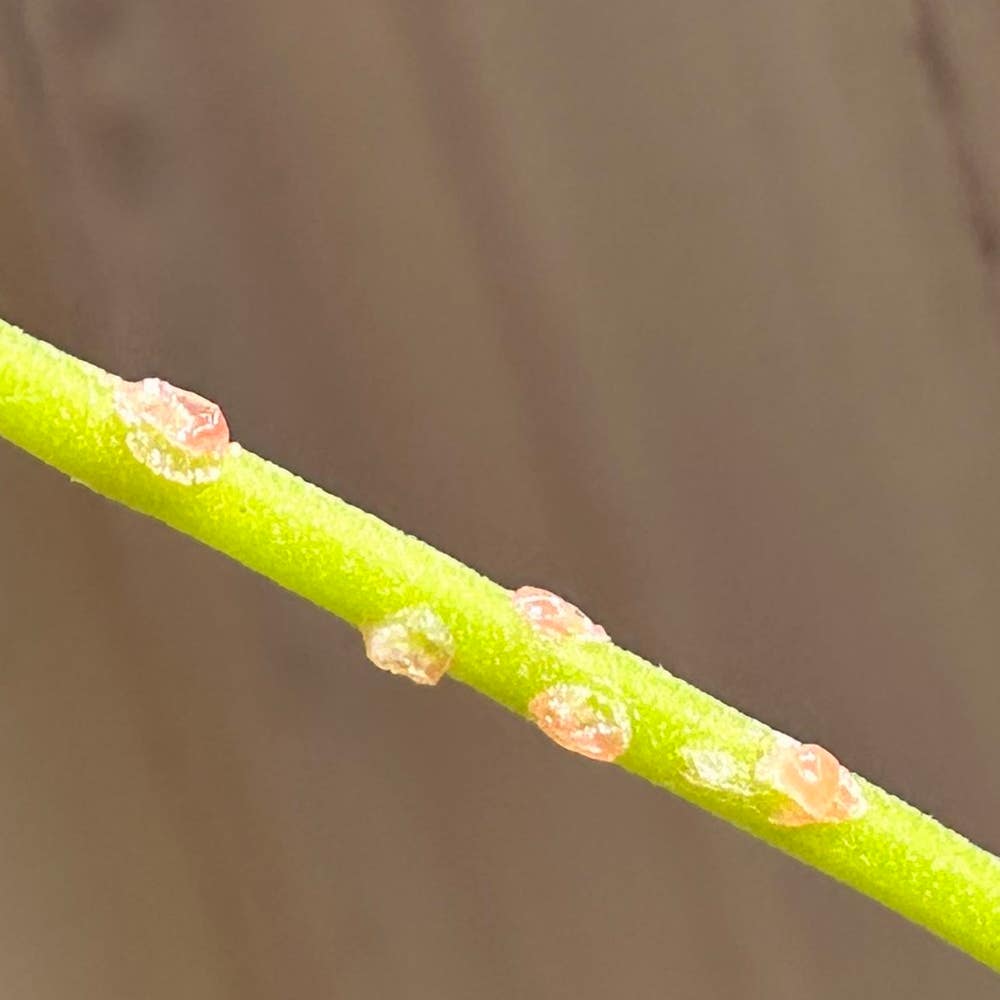
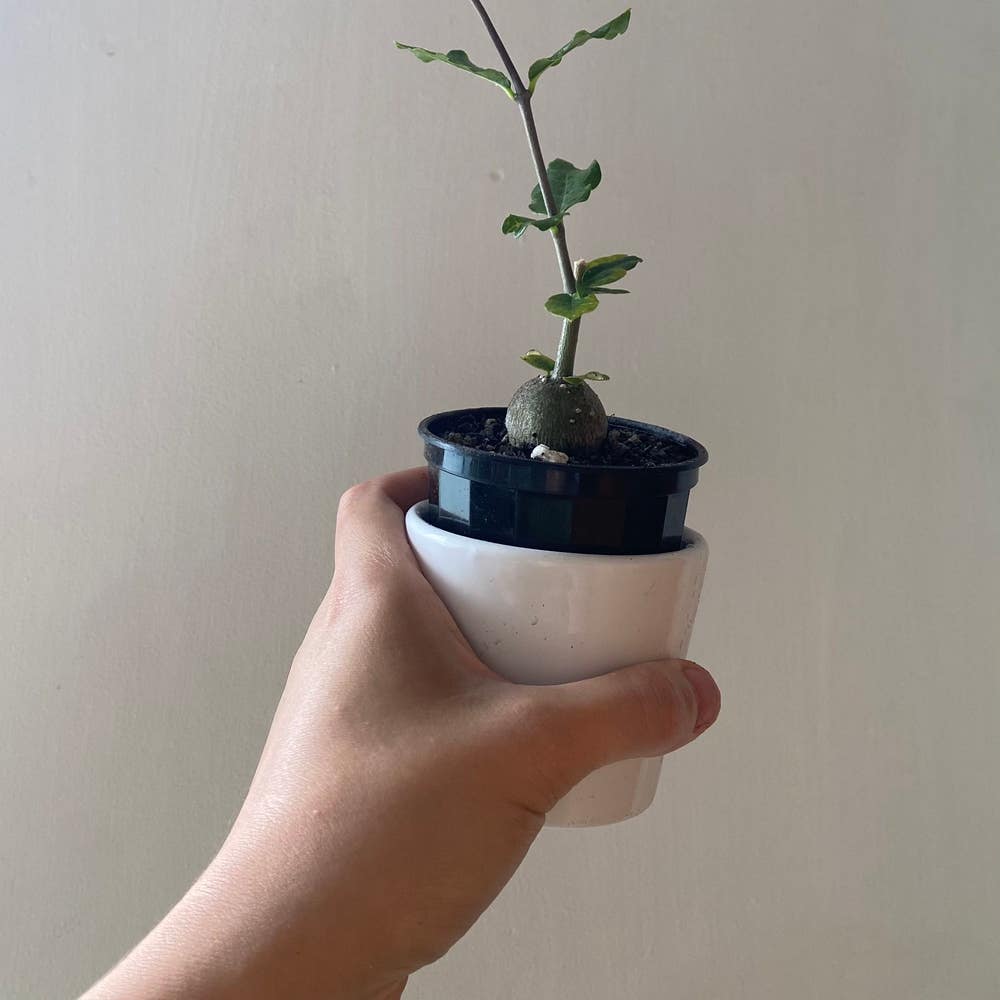
Why Are There Black Spots on My Fockea comaru Leaves?
Fockea comaru
By the Greg Editorial Team
Jun 10, 2024•2 min read
This article was created with the help of AI so we can cover more plants for you. May contain errors. See one? Report it here.
Eradicate mysterious black spots on your Fockea comaru 🌿 and reclaim your plant's health with expert tips!
- 🍄 Fungal infections like Cercospora cause black spots; proper watering prevents them.
- 💨 Balanced humidity and airflow are key to keeping leaves spot-free.
- 🌱 Neem oil and baking soda can naturally treat black spots; chemicals are a last resort.
Pinpointing the Culprits Behind Black Spots
🍄 Fungal Foes
Identifying Common Fungi
Fungi like Cercospora and Anth
Nipping Black Spots in the Bud: Prevention Tactics
💧 Water Wisdom
Watering your Fockea comaru is less about sticking to a schedule and more about responding to its needs. Check the soil's moisture level before watering; let the top inch dry out to prevent a soggy breeding ground for fungi. Early morning watering is ideal, allowing the sun to dry the leaves and ward off any fungal gatherings.
🌬 Climate Control
Airflow is like your plant's personal space—it needs it to stay healthy. Ensure your Fockea comaru enjoys a gentle breeze, which can be as simple as positioning it in a naturally airy spot or using a fan on a low setting. Humidity should be balanced; too much can invite unwanted fungal guests, so keep the air around your plant moving.
🌱 Soil and Sanctuary
The right soil mix is your plant's underground ally. Opt for a mix that drains well to keep those roots snug but not waterlogged. The pot you choose should complement this, with adequate drainage holes to avoid water accumulation. Remember, a clean environment is a healthy one—remove fallen leaves and debris to disrupt any pathogen parties.
The Battle Plan: Treating Black Spots on Fockea comaru
🌿 Going Green with Natural Remedies
Neem oil is your plant's knight in shining armor against those pesky black spots. Mix it with water and a smidge of soap for a DIY spray that fungi find repulsive. Baking soda also steps up to the plate; when combined with water and soap, it shifts the pH to "no fun for fungi" mode. Apply with the finesse of a ninja—every leaf, every angle.
💣 Bringing Out the Big Guns: Chemical Treatments
When the gentle approach just doesn't cut it, it's time to bring out the chemical artillery. Fungicides and bactericides are your last resort, so handle them like you would a rare vinyl record— with extreme care. Suit up in your safety gear, keep pets and kids out of the splash zone, and follow the instructions like your plant's life depends on it—because it does. Watch for new growth; it's the flag of victory in this microscopic war.
⚠️ Safety First
This content is for general information and may contain errors, omissions, or outdated details. It is not medical, veterinary advice, or an endorsement of therapeutic claims.
Always consult a qualified healthcare professional before using any plant as food, medicine, or supplement.
Never eat any plant (or feed one to pets) without confirming its identity with at least two trusted sources.
If you suspect poisoning, call Poison Control (800) 222-1222, the Pet Poison Helpline (800) 213-6680, or your local emergency service immediately.
Spotted an error? Please report it here.
Keep your Fockea comaru spotless 🍃 with Greg's custom care reminders, ensuring just-right watering and soil health for leaves that stay pristine.